
We're fast learning how smartphones impact childhood, and the findings of a new study about young tweens on the cusp of adolescence make for some more uncomfortable reading.
Researchers in the US have found that owning a phone at the age of 12 was associated with an increased risk of depression, obesity, and insufficient sleep, compared to not having one.
The iPhone launched less than 20 years ago, so for many kids now entering their teenage years, they've only ever known a world with phones. Studies like this are trying to tease apart the effects.
"Our findings suggest that we should view smartphones as a significant factor in teen health, approaching the decision to give a child a phone with care and considering potential impacts on their life and health," says child and adolescent psychiatrist Ran Barzilay, from the Children's Hospital of Philadelphia.
Related: Screen Time In Bed May Increase Insomnia Odds, Study Suggests
The data from 10,588 young people, collected as part of an ongoing study on adolescent brain development, provided a snapshot of participants' health at age 12, together with some evidence for the differences that getting a phone (or not) over the next year might make.
The researchers factored in other variables, such as demographics and socioeconomic status, and found that at age 12, nearly 6.5 percent of those with phones had been given a diagnosis of depression, compared to roughly 4.5 percent without phones. That's a seemingly small but meaningful statistical difference.
For obesity, the respective figures were roughly 18 percent of smartphone users compared to 12 percent of 12-year-olds without these devices.
As for sleep, 47 percent of 12-year-olds with phones reported insufficient sleep (less than nine hours a night) compared to 31 percent of their phone-less peers.
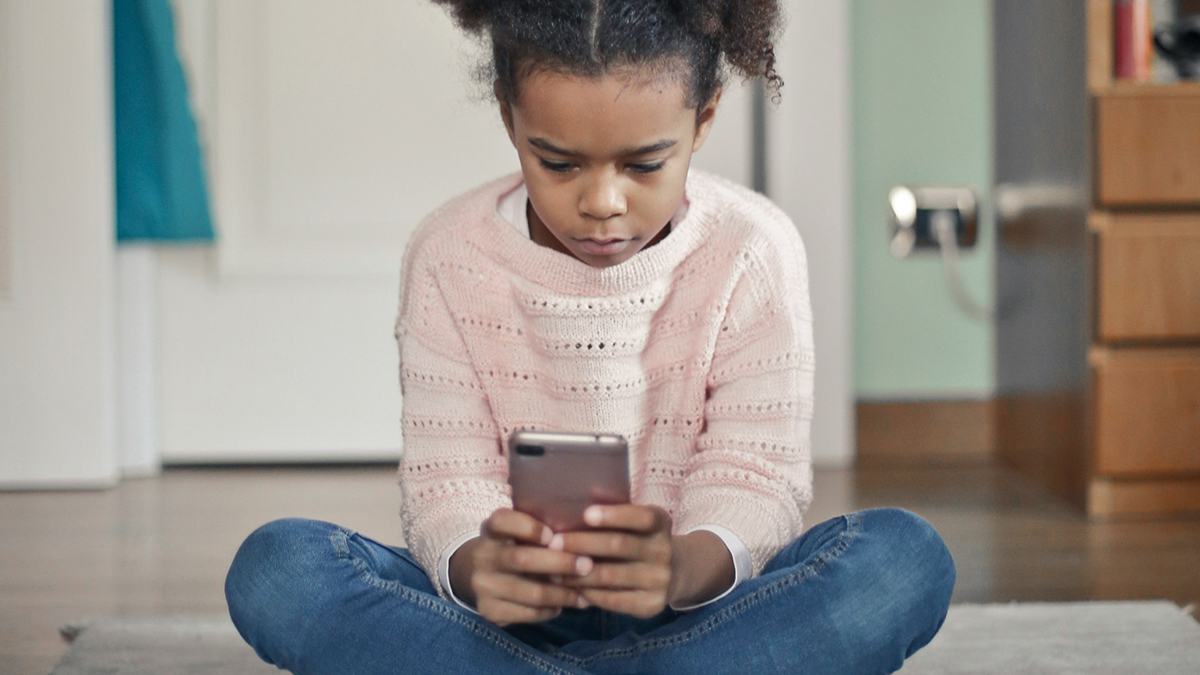
Kids who had a phone by age 13 were more likely to report mental health problems (including depression) and insufficient sleep than those who didn't. However, there was no noticeable change in obesity risk over that year.
The researchers admit that phone use can have benefits, as other studies have shown, but they want to see more done to make sure that these devices are used responsibly.
"For many teens, smartphones can play a constructive role by strengthening social connections, supporting learning, and providing access to information and resources that promote personal growth," says Barzilay.
"Likewise, some families may view a smartphone as a necessity for safety or communication."
There are some nuances in the data. For example, depression was measured as any period of depression during the life of the child so far, so it may have occurred before they got a phone, in some cases.
It's also not possible to draw any conclusions about cause and effect in an observational study like this, but the strength of the associations – plus the changes that were recorded between ages 12 and 13 as some kids got phones and others didn't – are worth investigating further.

The findings tie in with what we know about adults and smartphones: that these devices can elevate stress, leave us feeling more distracted and drained, and reshape the way our brains are wired.
In future studies, the researchers want to look at how much screen time and different types of apps affect these results, how the findings might extend over longer periods of adolescence, and what countermeasures could be put in place.
"It's critical for young people to have time away from their phones to engage in physical activity, which can protect against obesity and enhance mental health over time," says Barzilay.
The research has been published in Pediatrics.