A review by researchers from the University of Birmingham and the University of Oxford in the UK has found that controlled doses of laughing gas (or nitrous oxide) really can provide quick-acting relief from depression.
The treatment seems to be viable over longer periods of time, with repeated doses, and can be effective in individuals with both major depressive disorder (MDD) and treatment-resistant depression (TRD) – some of the people who are hardest to treat.
Related: Women Have Twice as Many Depression Genes as Men, Says Largest-of-Its-Kind Study
"This population has often lost hope of recovery, making the results of this study particularly exciting," says consultant psychiatrist Steven Marwaha, from the University of Birmingham.
"These findings highlight the urgent need for new treatments that can complement existing care pathways, and further evidence is needed to understand how this approach can best support people living with severe depression."
The researchers evaluated seven clinical trials involving 247 participants in total, as well as four plans for future trials known as protocol papers.
Across the trials, selected volunteers inhaled nitrous oxide at concentrations of either 50 percent or 25 percent, with the effects compared to volunteers who had inhaled a form of placebo instead.
The higher of the two concentrations typically alleviated depression's symptoms better, but often came with more side effects, including nausea, headaches, and feelings of dissociation.
The researchers found that administering the gas helped reduce depressive symptoms in as little as two hours. Relief was relatively short-lived, with symptoms returning within the week unless the dose was repeated.
"This study brings together the best possible evidence indicating that nitrous oxide has the potential to provide swift and clinically significant short-term improvements in patients with severe depression," says clinical psychologist Kiranpreet Gill, from the University of Birmingham.

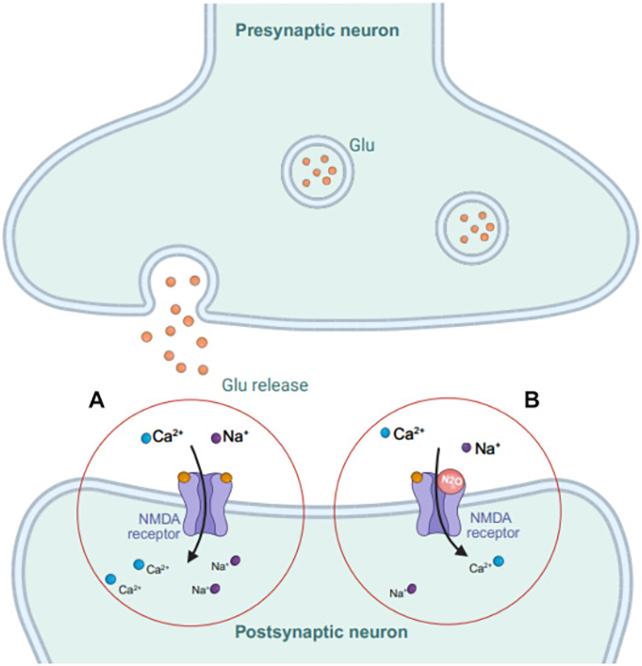
While more in-depth analysis is required, the researchers suggest the treatment's effects may be related to the way nitrous oxide calms down the glutamatergic system – a key component of the nervous system already linked to depression.
Laughing gas is also known to increase blood flow, which may help cycle gases, waste, and nutrients through the brain. Once scientists understand more about why this works, treatments may become tailored to individual patients.
What is certain is that new treatments are urgently needed. The new study highlights the increasing burden of depression, which is now the leading cause of disability worldwide, affecting more than 300 million people.
"Our analyses show that nitrous oxide could form part of a new generation of rapid-acting treatments for depression," says Gill.
"Importantly, it provides a foundation for future trials to investigate repeated and carefully managed dosing strategies that can further determine how best to use this treatment in clinical practice for patients who don't respond to conventional interventions."
The research has been published in eBioMedicine.