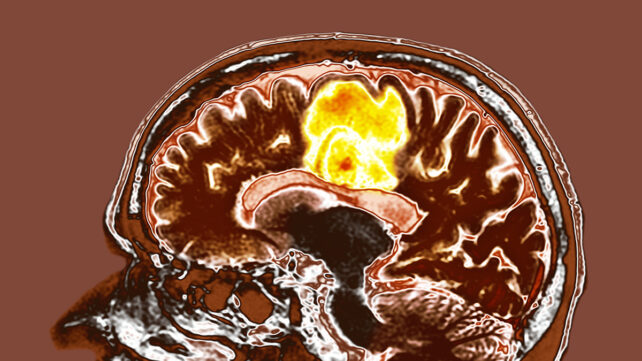
Glioblastoma is a particularly aggressive cancer, but encouraging results from a new study testing two common supplements on glioblastoma tumors could potentially lead to a new way to treat the disease.
The supplements are resveratrol and copper, both known as 'nutraceuticals': extracts from plants or food that are thought to provide health benefits.
In a study at Tata Memorial Hospital in India, 10 glioblastoma patients preparing for surgery took tablets containing both resveratrol and copper.
Researchers analyzed and compared the patients' brain tumor samples removed during surgery to those of 10 controls who also had surgery but didn't receive any supplements.
Related: Scientists Discover a Viral Cause of One of The Most Common Cancers
The preliminary results look promising, although the researchers analyzed cell markers in the brain tumor samples, not the size or progression of the cancers that were swiftly removed, roughly two weeks after patients started taking the supplements.
"These results suggest that a simple, inexpensive and non-toxic nutraceutical tablet potentially has the power to heal glioblastoma," says cancer surgeon and public health researcher Indraneel Mittra.
The combination treatment reduced a protein biomarker of cancer growth by almost one-third in samples from patients who received the tablet, compared to those who didn't. However, no visible changes were seen in the tumors to suggest they were any less aggressive.
The researchers also found levels of certain proteins that can block immune system responses to cancer were down 41 percent, on average, in tissue samples from the treated group, compared to controls.
Three biomarkers for stem cells, which can contribute to cancer growth, were 56 percent lower in treated tumor samples.
No notable side effects were observed, and the clinical trial is ongoing, aiming to recruit 66 patients in total and follow them with half-yearly scans for at least 2 years. Only then will we know if the short course of supplements had any meaningful effect on patients' survival.
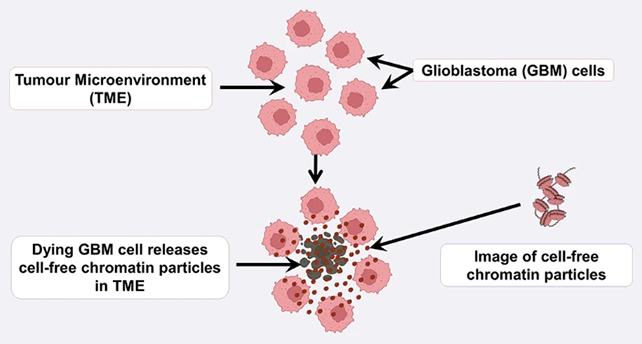
Mittra and his colleagues tested resveratrol and copper because their previous studies have shown these supplements can 'deactivate' cell-free chromatin particles (cfChPs), which damage DNA when internalized by cells.
The cfChPs were virtually absent in the brains of the treated glioblastoma patients, the researchers found.
Related: New Cancer Therapy Offers Hope For 'Incurable' Leukaemia in Early Trial
"The cell-free chromatin particles, fragments of DNA released by dying cancer cells, inflame the surviving cancer cells," explains Mittra. "This makes the disease more aggressive."
"If you eliminate the cell-free chromatin, which is what the resveratrol-copper tablets do, the cancer is subdued."

Given glioblastoma's poor survival rates, scientists are trying to find new and improved ways to tackle these tumors, and this study might provide another avenue to explore.
"We have been trying to kill cancer cells for 2,500 years, since the time of the ancient Greeks, without success," says Mittra.
"Maybe it is time to look at cancer treatment differently and work towards healing tumors, rather than annihilating them" with chemotherapy and radiotherapy, he adds.
The team's latest findings with resveratrol and copper supplements suggest there's some value in this approach, but we'll have to wait a few years yet for the results of the completed trial.
The research has been published in BJC Reports.