
Sound waves already used in medical scans may have a surprising new target: Viruses.
In lab experiments, scientists have demonstrated how ultrasound blasts can break down influenza A (H1N1) and SARS-CoV-2, which causes COVID-19.
Microscopic vibrations caused by ultrasound waves are sufficient to rupture the membranes surrounding their viral particles, experiments showed, rendering the viruses inactive.
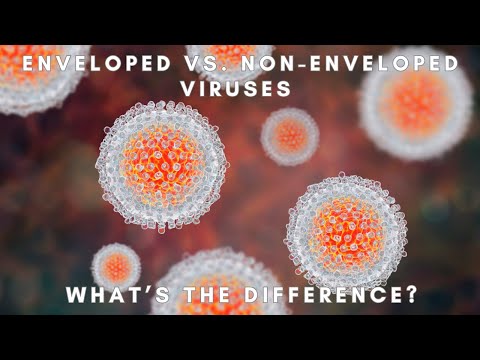
The research was led by a team from the University of São Paulo in Brazil and could one day lead to an alternative to antivirals and chemical disinfectants for enveloped viruses, which have an outer membrane that's vulnerable to attack.
"It's kind of like fighting the virus with a shout," says computational physicist Odemir Martinez Bruno, from the University of São Paulo.
"In this study, we proved that the energy of sound waves causes morphological changes in viral particles until they explode, a phenomenon comparable to what happens with popcorn."
The lab experiments were performed with ultrasound machines used in hospitals, with the viruses exposed to ultrasound frequencies in the 3–20 MHz range.
The researchers took snapshots of physical changes and then tested whether the treated SARS-CoV-2 samples could still infect lab models of host cells (Ver-E6 cells).
There was clear evidence of physical destruction of the viral envelopes, and subsequently, SARS-CoV-2's ability to infect model host cells was sharply reduced.

The approach relies on acoustic resonance, and both the ultrasound frequency and the shape of the viral particles matter.
The idea is that the frequency of the sound wave matches the natural vibrational frequency of the viral envelope, leading to amplified vibrations that destroy it. Essentially, only the virus responds to the energy of the sound waves, not the host cells.
Under the tested conditions, the viral particles appeared far more vulnerable than the surrounding cells.
Analysis confirmed that the temperature and pH of the surrounding cells remained stable, ruling out thermal or chemical damage as the reason for the breakdown of the viral particles.

The researchers also point out that viral particles like those tested are spherical, the optimal shape for ultrasound sensitivity.
"The phenomenon is entirely geometric," says Bruno.
"Spherical particles, such as many enveloped viruses, absorb ultrasound wave energy more effectively. It's that accumulation of energy inside the particle that causes changes in the structure of the viral envelope until it ruptures."
If these particles were triangular or square, the impacts wouldn't be the same.

"Ultrasound is already used to sterilize dental and surgical equipment, but it works through a different physical phenomenon called cavitation, which destroys biological material," Bruno explains.
"While cavitation occurs at low frequencies and destroys both viruses and tissues through the collapse of gas bubbles, acoustic resonance operates at high frequencies."

Acoustic resonance ultrasound could address certain limitations of drug treatments.
The new method didn't show the same destructive effects in model host cells or the surrounding solution under lab conditions.
And because the target is a physical structure rather than a single molecular pathway, the researchers hope it could better deal with viruses as they mutate (which wouldn't change the particles' physical shape).
The team is hopeful their new approach will work across other viral infections, and they have already begun investigating how dengue, Zika, and Chikungunya could be targeted in the same way.
Ultrasound is generally painless, non-invasive, relatively easy to apply, and can be precisely targeted, so researchers have been exploring several new ways of using it, including for pain relief in the brain and cancer treatment.
The finding here is exciting, but it is not yet a treatment. There's still a lot of work to do, including further fine-tuning of the ultrasound frequencies.
This study was limited to lab tests rather than any experiments in animals or humans, and only on two different virus types. It's a strong starting point, but it's still early days for this technology.
Related: Scientists Develop New Antibody for Virus That Infects 95% of People
"Although it's still far from clinical use, this is a promising strategy against enveloped viruses in general, since developing chemical antivirals is complex and yields difficult results," says pharmacologist Flávio Protásio Veras, from the University of São Paulo.
"Furthermore, it's a 'green' solution, as it generates no waste, causes no environmental impact, and doesn't promote viral resistance."
The research has been published in Scientific Reports.