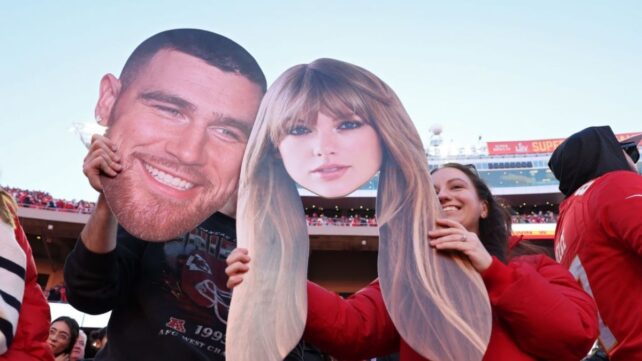
It is set to be the wedding of the year, or maybe the century. Rumors and speculation about the dress, the hair, the venue, and the guests are inescapable.
And no, the bride told us, you can't come.
Like pigeons at the doors of Madison Square Garden, the world is left to nibble on tossed breadcrumbs.
So, why does this event feel so oddly personal for millions?
"Love Taylor and I'm excited for her wedding… hopefully we see a picture," wrote one Reddit user.
"I BADLY WANT her to be happy," wrote another.
To non-Swifties, that level of investment might seem over the top, but feeling socially or emotionally close to a media figure, so much so that they feel like a friend, isn't necessarily an obsession.
According to Bradley Bond, who researches media psychology at the University of San Diego (USD), these types of responses are perfectly normal.
They may even be beneficial.
Bond takes a social psychological approach to investigating our relationships with celebrities and fictional characters.
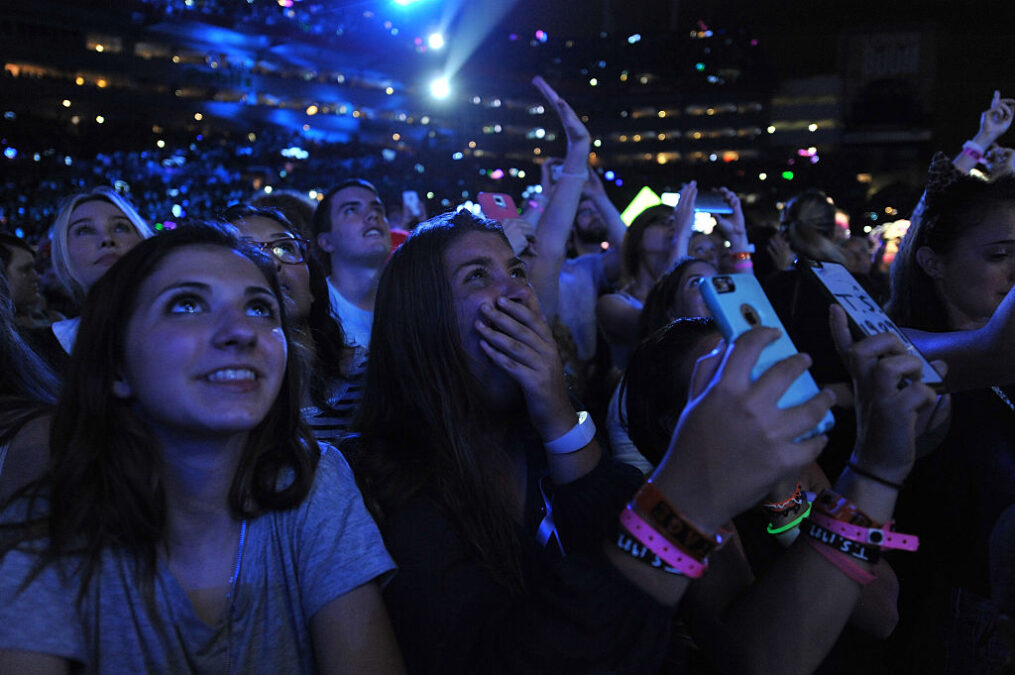
He told ScienceAlert that research suggests we have similar emotional responses to media figures as we do to people we know personally, though they are typically less intense.
"Basically, our minds process personhood similarly regardless of whether we are processing the person standing in front of us or on a screen," Bond explained.
"Certainly we know the difference between an interpersonal interaction and watching television, for example, but our minds are still processing individuals as persons, and in turn, considering them as people."
When we become particularly invested in the life of that on-screen person, this is called a parasocial relationship. It's an outcome of the human brain being primed for empathy and for syncing up with the emotions of others.
While modern media use is notoriously linked to negative psychological well-being, that isn't always the case.
Parasocial relationships may be one-sided and unrequited, but recent psychology studies suggest that media figures can help people feel less hopeless, and may provide them with a stronger sense of identity and well-being.
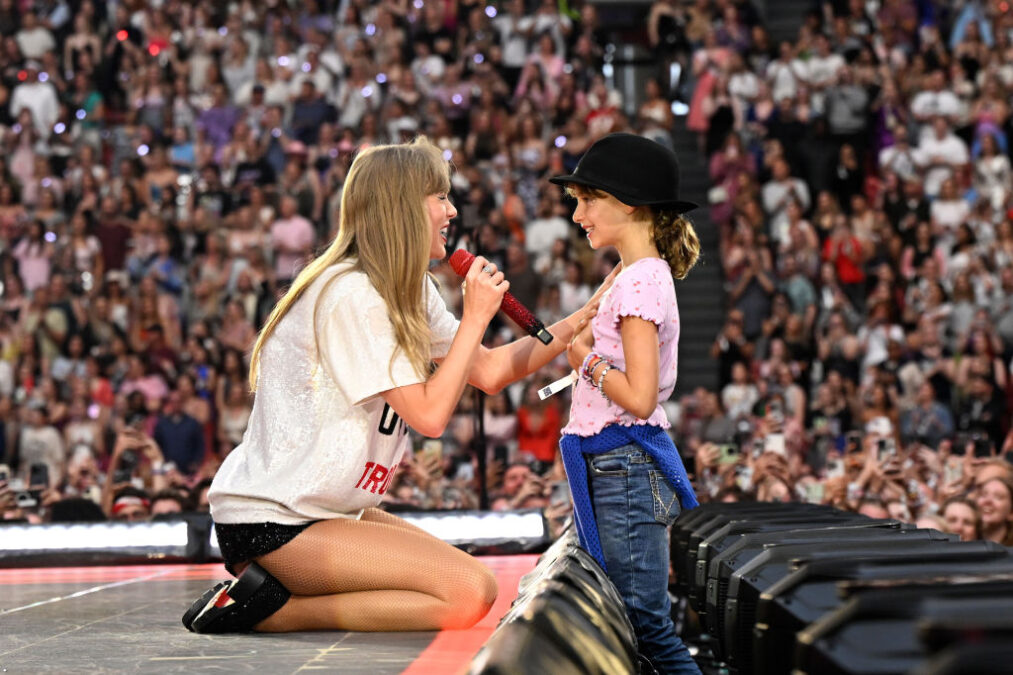
"When something good happens to a media figure that we feel socially connected to, we are happy for them," Bond told ScienceAlert.
"When something bad happens, we can get sad for them. Really, it's the basic nature of empathy underlying these potential emotional effects of milestones."
A wedding is, of course, a major milestone.
Lindsey Conlin Maxwell, a psychologist at the University of Southern Mississippi (and self-identified Swiftie), largely agrees with Bond.
She told ScienceAlert that strong parasocial relationships "could definitely explain" why Swifties are emotionally invested in the upcoming wedding.
"We have spent the last 20 years listening to her music and building up these relationships with her, and so even though it's a one-sided relationship where she doesn't know us individually, we as Swifties feel like we know her and like we've been through the emotional ups and downs with her," Maxwell said.
"So, the wedding is no different; we feel like we're involved."
Maxwell thinks that part of why fans feel so close to Swift is the power of music, which can evoke strong emotions and help people feel connected to others.
"Even though most of her fans have never met her personally, the parasocial bond we have through the music makes it feel real," she said.
To be clear, though, this doesn't mean that a Swiftie's love for Taylor is the same as their feelings for a real friend or family member.
"The average fan, even those with strong parasocial relationships and a lot of investment in Taylor Swift's music, can recognize that it's her life and her milestone and not ours," said Maxwell.
"The negative connotation is that people with parasocial relationships are obsessed or unhealthily preoccupied, when in reality most people can easily recognize that the relationship is one-sided, and that's okay."
Brain scan studies back up that idea. They suggest that the human brain doesn't treat celebrities like Taylor Swift as a person you actually know – but neither are these people strangers to your nervous system.
Celebrities and influencers seem to have chiseled out their own little corner in our neurological networks.
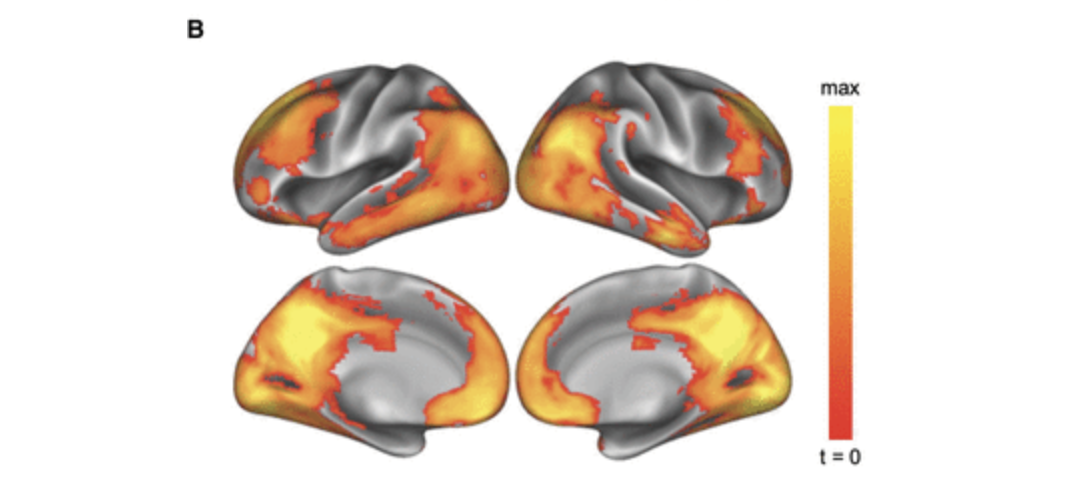
For instance, in a 2020 study published inThe Journal of Neuroscience, scientists conducted brain scans on 43 participants while they thought about themselves, loved ones, or celebrities.
They found that the human brain maps people based on whether they are in our social network and how close we are to them.
Celebrities were processed slightly further from the 'self' than family or friends were.
Another brain scan study, published in Brain Sciences in 2023, revealed that the human brain "clearly distinguishes between influencers or other celebrities and close people out of real life even though subjective feelings of closeness and trust can be similar."
So when can a parasocial relationship have negative outcomes?
"As we (as audiences) are given more opportunities for episodic interaction with people we otherwise only know through screens," Bond told ScienceAlert, "our perceived sense of connection with these others is intensifying."

Bond believes that if parasocial relationships replace real-life friends or interfere with our everyday lives and routines, that's when they can have negative effects.
"If we transition from feeling like a media figure is a friend to perceiving a media figure as a deity, this can be problematic," he said.
Related: Lonely People Have a Different Brain Signature, Which Might Help Fill a Social Void
But if you find yourself this weekend imagining what you would wear to the wedding, or even what you might buy Tay Tay and Travis as a gift, Bond thinks that's normal.
It's your brain doing what it evolved to do: connect with others.
Just maybe don't burn an effigy.
This article was fact-checked by Jess Cockerill and edited by Michael Irving. While we pride ourselves on our process, we are only human. If you spot a mistake, please let us know.