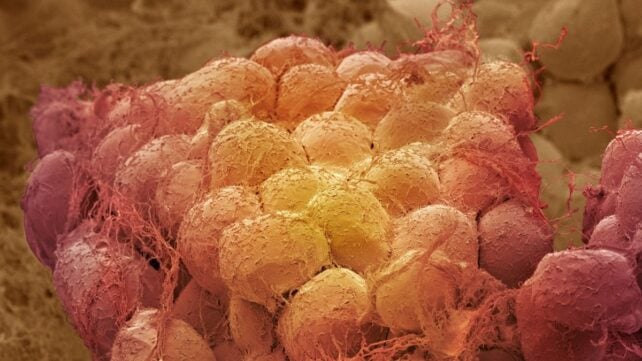
As we age, keeping excess body fat in check while preserving muscle becomes increasingly difficult. This raises the risk of frailty, metabolic disease, and loss of independence.
Protein is often presented as the obvious answer. Yet healthy aging may depend not only on how much protein we consume, but also on the balance of its amino acids.
A new study in aging mice found that an experimental low-protein diet, supplemented with methionine – an essential amino acid obtained through food – helped the animals lose fat without sacrificing lean body mass.
The diet also reduced frailty and improved markers of metabolic health, even though the mice could eat as much as they wanted.
Developed at the University of Southern California (USC) and described in Cell Metabolism, the experimental diet was low in protein and contained a carefully adjusted amount of methionine.
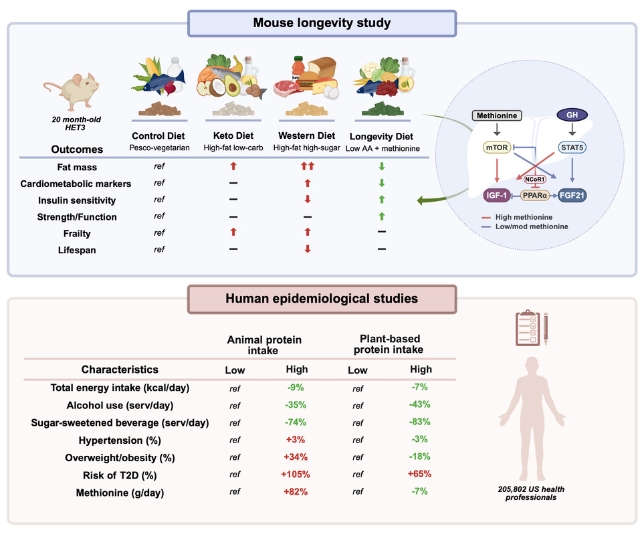
An earlier version of the low-amino-acid diet had caused the mice to lose weight too rapidly. The researchers therefore added a controlled amount of methionine, aiming to prevent excessive weight and muscle loss while preserving the diet's metabolic benefits.
Although inspired by Mediterranean-style eating patterns, the experimental diet was not a conventional Mediterranean diet. It was a specially formulated mouse diet based largely on plant and fish protein, with low overall protein and precisely controlled amino acid levels.
The team studied 20-month-old mice – roughly comparable to humans in their early 60s – assigned to a standard diet, a Western-style diet high in fat and sugar, a low-carbohydrate ketogenic diet, or the experimental diet.
"It's less 'starvation' and more targeted metabolic reprogramming." – biomedical scientist Maura Fanti
Mice on the experimental diet lost body fat while preserving lean mass, showed less frailty, and maintained better blood sugar control. Female mice lived slightly longer than those eating the Western diet, but not significantly longer than those on the standard diet.
The clearest benefits therefore concerned healthspan – life spent in relatively good health – rather than lifespan.
But how could the mice lose fat without muscle?
"The moderate methionine intake seems to redirect a specific hormonal signal," Maura Fanti, the study's first author and a biomedical scientist at USC's Leonard Davis School of Gerontology, told ScienceAlert.
The diet increased growth hormone and GLP-1, which helps regulate appetite and blood sugar, while lowering the growth-promoting hormone IGF-1.
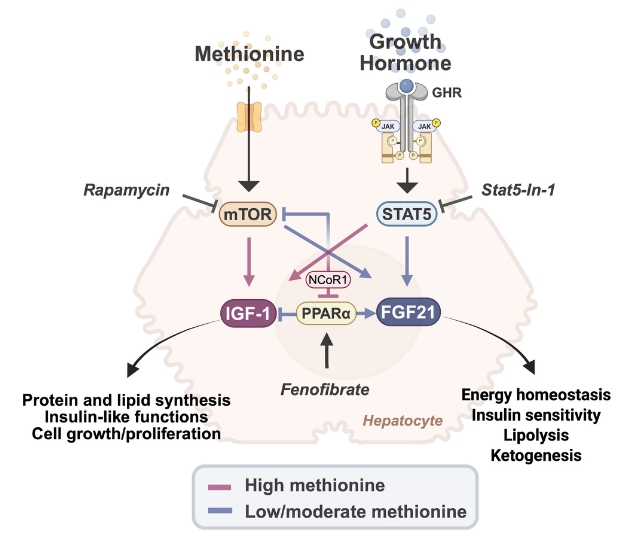
It also sharply increased fibroblast growth factor 21 (FGF21), normally released in response to nutritional stresses such as fasting or amino acid restriction.
A 2025 study published in Nature Metabolism similarly found that dietary protein restriction substantially increased circulating FGF21 levels in healthy, lean men.
"That combination appears to push the body toward burning fat for energy, while methionine's role in muscle protein maintenance protects lean tissue," Fanti said.
"It's less 'starvation' and more targeted metabolic reprogramming."

To test whether FGF21 was responsible, the researchers repeated parts of the experiment in mice unable to produce it. These animals did not lose meaningful amounts of fat and developed insulin resistance, instead of becoming more sensitive to insulin.
"FGF21 isn't just associated with the diet's benefits; it's required for them," Fanti explained.
"That's a meaningfully different claim than 'eating less protein is generically good for you'; it points to a specific hormonal mechanism, with methionine intake as the lever that controls it."
Methionine occurs naturally in protein-rich foods including meat, fish, eggs, dairy, legumes, nuts, and seeds.
But the findings do not suggest that people should consume more or take supplements. The benefits depended on a precisely balanced amount within an otherwise low-protein diet; when methionine levels rose further, they disappeared.
"There's a workable middle zone, but it's diet- and dose-specific, tested only in mice starting late in life, and hasn't yet been validated in humans," Fanti cautions.
The researchers also analyzed dietary and health data from more than 200,000 people. Those reporting the highest animal-protein intake were more likely to have obesity, and type 2 diabetes was nearly twice as prevalent in this group, compared to those reporting the lowest intake.
However, this analysis was cross-sectional – a snapshot rather than a study following people over time. It can show associations but cannot establish that animal protein caused either condition.
"This is why we combined the mouse studies with the epidemiological studies," USC biogerontologist and senior author Valter Longo told ScienceAlert.
"Naturally, additional studies are needed, especially a large randomized clinical trial, to establish causality," he added.
Based on existing data, Longo recommends that adults consume approximately 0.37 grams of protein per pound of body weight, with at least half coming from plant sources. He says older adults may need 10 to 20 percent more protein, depending on their individual needs, while ensuring they obtain sufficient methionine from their diet.
Related: Scientists Reveal The Optimal Amount of Strength Training For a Longer Life
For now, the findings are no reason to restrict protein or take methionine supplements. Controlled trials must determine whether the same responses occur in people and whether such a diet could safely protect muscle later in life.
Longo has an ownership interest in L-Nutra, a company that develops medical foods. Several authors are also named on patents or patent applications related to fasting-mimicking diets and aspects of this research.
The study was published in Cell Metabolism.
This article was fact-checked by Clare Watson and edited by Rebecca Dyer. While we pride ourselves on our process, we are only human. If you spot a mistake, please let us know.