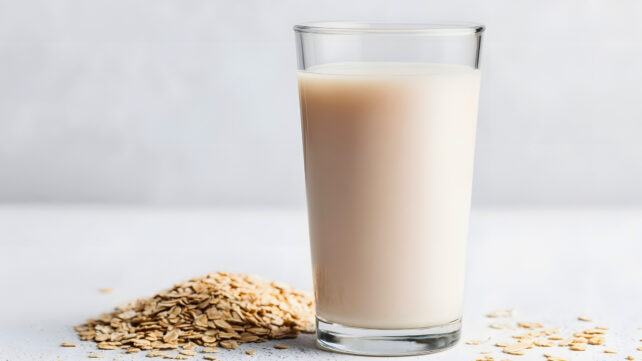
If you've spent any time on TikTok or Instagram lately, you may have seen people blending oats with water or juice and calling it "oatzempic."
The name is a nod to Ozempic, a prescription medication used primarily for type 2 diabetes that also suppresses appetite. Videos of the oatzempic drink usually promise easy weight loss, effortless fullness, and a "natural alternative" to medication.
But is oatzempic supported by science? The short answer is no. Let's unpack why.
Related: Expert Reveals a Drug-Free Way to Mimic The Effects of Ozempic
What exactly is oatzempic?
There is no standard recipe for oatzempic, but most videos show people blending one to two tablespoons of rolled oats with a glass of water. Others add lemon or lime juice, cinnamon, or soak the oats first.
@cookingwithdylon Trying this again since tiktok keeps blocking my video. The viral OAT-ZEMPIC WEIGHT LOSS DRINK. I've been seeing this all over my fyp. Let's see how it works! 1/2 cup oats, 1 cup water, and the juice of 1/2 a lime. Blend and enjoy! #fyp #viraltiktok #viral
The suggested benefit is that drinking the mixture will create a sense of fullness and reduce appetite.
Some TikTok videos recommend to have oatzempic instead of breakfast. Others say to drink it as a mid-afternoon snack to prevent overeating later in the day.
What happens when you eat oatzempic?
Many users on social media report feeling fuller after drinking oatzempic which is not surprising.
Oats are rich in beta-glucan, a type of soluble fibre that forms a gel-like substance when mixed with water. This slows down digestion which helps you to feel full.
There is good evidence that diets rich in viscous soluble fibre (like that from oats) modestly improve appetite control, reduce post-meal blood glucose (blood sugar) spikes, and help regulate cholesterol.
Oats aren't the only source of viscous soluble fibre, though. Foods such as apples, citrus fruits, flaxseeds, barley, psyllium husk, and legumes (beans, lentils) also provide soluble fibres that form gels in the gut and have similar effects of making us feel full, as well as improving overall health.
So, the claim that oats can help people feel full is well-founded. But feeling full is not the same as achieving meaningful or sustainable weight loss.
Long-term weight management requires balanced nutrition and physical activity – rather than relying solely on feeling full.
Has oatzempic been tested for weight loss?
No. There are no scientific studies that look at the "oatzempic drink" for weight loss, appetite control, or other health outcomes. There is no official recipe, no recommended amount, and no long-term research.
So, if someone loses weight while drinking it, it's hard to know if that's because of the oatzempic drink, eating fewer calories overall, or other changes in their lifestyle.
What we do know is that oats and other high-fibre foods (for example, brown rice, nuts and seeds, berries, broccoli, and Brussels sprouts) have been studied for decades. Research shows they can help you feel a little fuller, improve your blood glucose control, and support heart health.
For example:
- a randomised crossover trial showed adding oat fibre (beta-glucan) to a meal made people feel fuller and less hungry compared to a similar meal without it
- a review of multiple studies (meta-analyses) reported that oat beta-glucan can modestly reduce LDL-cholesterol (the bad type) and help control blood glucose levels, both important for heart and metabolic health.
But, these benefits occur when oats are part of a healthy, balanced diet, not when consumed as a standalone "magic drink".
From a scientific standpoint, oatzempic is a fibre-rich drink. It does not work like Ozempic, the prescription medication. Ozempic affects hormones that control appetite and blood glucose levels in a much more powerful way.
Could oatzempic still be helpful for some people?
Yes. A drink that helps you feel fuller could slow down eating and better support portion control.

For those who often skip breakfast or grab food on the run, an oats-based drink may be a more nutritious option than not eating at all. But these benefits come from fibre and hydration.
You'd get a greater nutritional benefit by making a simple smoothie with oats, a banana or berries, a spoonful of nut or seed butter, and a splash of milk or yoghurt. This combination adds protein, potassium, healthy fats, and a range of vitamins and minerals, offering a more balanced and nourishing option for your health.
Are there any risks?
For most people, drinking oatzempic in small amounts is safe. But there are some important considerations:
- it's not a complete meal. Oatzempic is low in protein, healthy fats and several essential micronutrients. If it regularly replaces meals, it could lead to nutrient gaps or even under-eating
- sudden fibre increases can cause discomfort. For those not used to high-fibre diets, a rapid increase can trigger bloating or gastrointestinal symptoms – especially if fluid intake is inadequate
- the name can be misleading. "Oatzempic" invites comparison with a prescription medication, which may give the impression that the drink has drug-like effects
- it could delay evidence-based care. Relying on a fad drink instead of seeking professional dietary or medical advice may prevent people from accessing the support they truly need.
What actually works for sustainable weight management?
Research supports a combination of strategies for long-term, sustainable weight management:
- cooking healthy meals at home that focus on adequate protein, healthy fats, unprocessed carbohydrates, and fibre
- reducing intake of added sugar and processed foods and drinks
- drinking enough water
- consistent physical activity
- good sleep and stress management.
If you need advice about improving your diet, talk to your GP or visit an accredited practising dietitian.
Lauren Ball, Professor of Community Health and Wellbeing, The University of Queensland and Emily Burch, Accredited Practising Dietitian and Lecturer, Southern Cross University
This article is republished from The Conversation under a Creative Commons license. Read the original article.