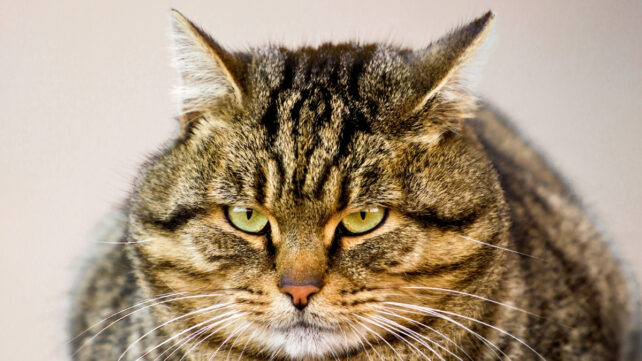
More than half of the world's pet cats are overweight, experts estimate, and soon, these chubby felines may be treated with a drug similar to Ozempic.
In a press release, pet drug company OKAVA Pharmaceuticals announced that its first clinical trial is underway to test the safety, tolerability, and efficacy of its drug implant system, OKV-119.
The announcement offers hope for the many owners who are having difficulty getting their beloved pets back to a healthy weight. Overweight and obese cats face a higher risk of osteoarthritis, hip dysplasia, diabetes mellitus, and cardiovascular problems.
Related: Overfeeding Cats Produces Changes Inside Them We Never Knew About
Commonly caused by 'free feeding', where cats are allowed to eat from a full bowl of food at any time during the day, feline obesity can be difficult to treat, especially as it must be done slowly to avoid other serious health problems like hepatic lipidosis.
"Caloric restriction, or fasting, is one of the most well-established interventions for extending lifespan and improving metabolic health in cats, but it's also one of the hardest to maintain," OKAVA CEO Michael Klotsman said in a statement.
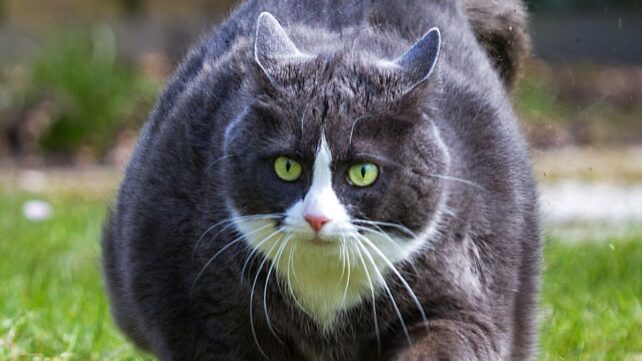
OKAVA's drug is designed to be administered as an implant just below the skin, slowly releasing the drug into the cat's system for up to six months (which sounds way better than trying to give your cat a dose of daily meds).
Like human weight loss drugs Ozempic and Wegovy, OKAVA's drug is a GLP-1 receptor agonist, which mimics the body's natural satiety hormones and regulates blood sugar. This receptor is remarkably well conserved across mammal species, even monotremes.
"OKV-119 is designed to mimic many of the physiological effects of fasting – improved insulin sensitivity, reduced fat mass, and more efficient energy metabolism – without requiring significant changes in feeding routines or disrupting the human-animal bond that often centers around food," Klotsman explained.

But with just one cat given the drug as part of clinical trials so far, we're a long way off seeing whether OKV-119 is suitable for our chonky feline friends.
The safety of the system has been tested in healthy cats in earlier lab studies. Researchers will closely monitor cats over 12 weeks in the new trial, which aims to establish how effective the drug implant is at returning obese cats to a healthy weight.
Until then, experts recommend putting the kibble away outside of mealtimes and finding ways to get your cats to 'hunt' for their food using enrichment toys.