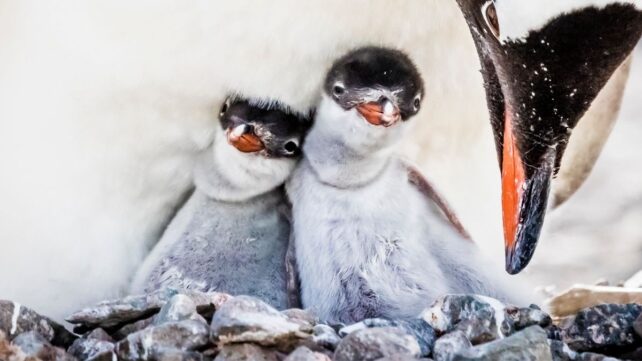
Penguins won't lay their eggs any old time of year. They carefully synchronize breeding time with the seasons to give the next generation the best start to life. In the harsh ecosystem of Antarctica, this is essential for the survival of their species.
And yet human-induced climate change may be destabilizing this delicate balance.
A new study led by University of Oxford and Oxford Brookes University scientists suggests several species of penguin have shifted their breeding seasons, allowing them to cope with a decade of rapid warming despite the potential costs of changing such a carefully scheduled event.
Related: 62,000 Penguins Starved to Death Off South Africa's Coast Last Decade. Here's Why.
Seabird ecologist Ignacio Juárez Martínez and his team began monitoring three species of Antarctic penguins in 2012, using 77 timelapse cameras positioned across 37 penguin colonies on the Antarctic Peninsula and nearby Sub-Antarctic islands.
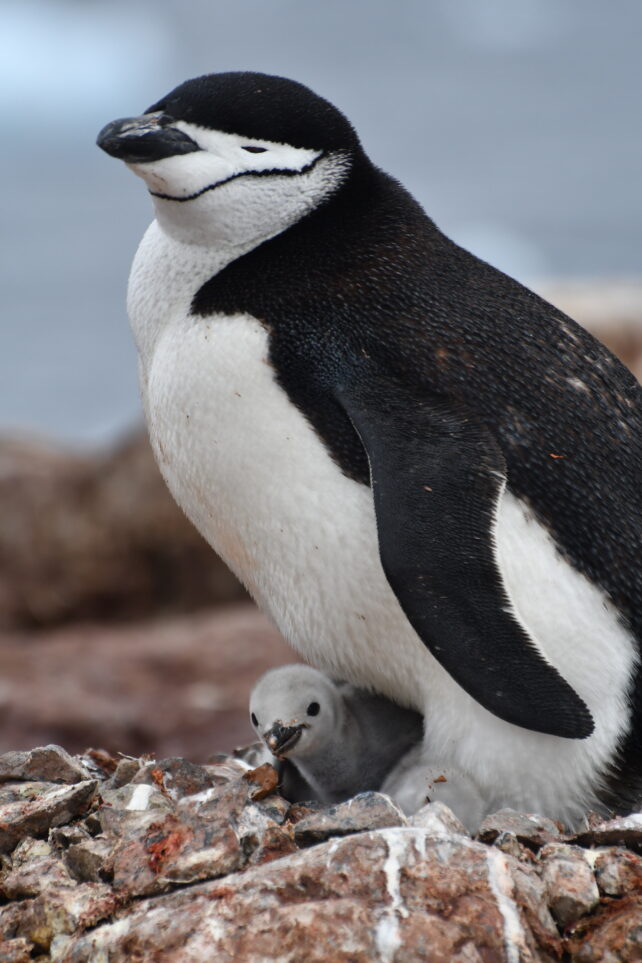
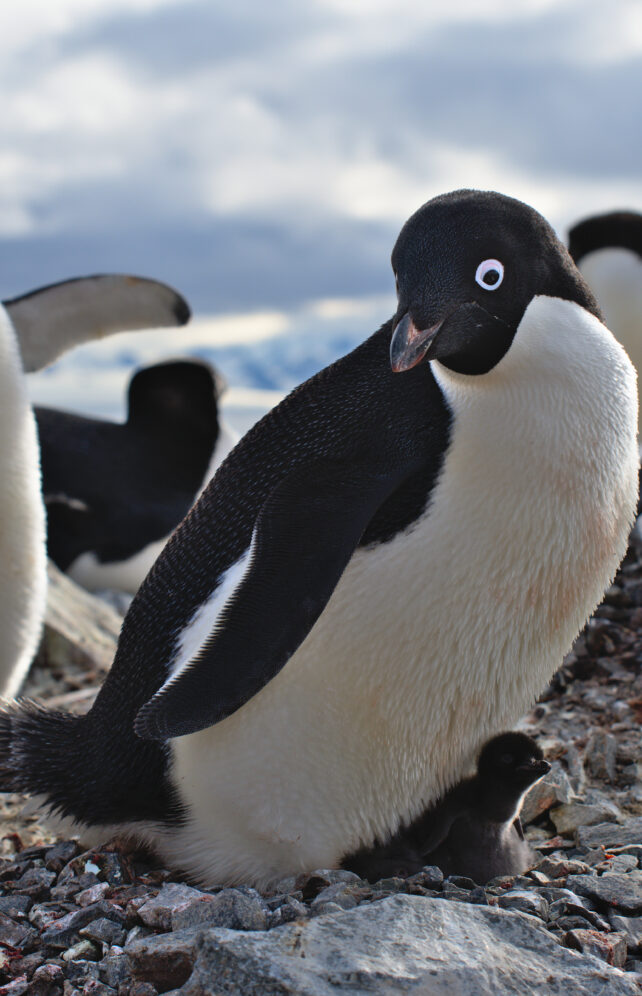
The cameras provided unprecedented insights into the breeding lives of Adélie (Pygoscelis adeliae), chinstrap (P. antarcticus), and gentoo (P. papua) penguins, and the way chick rearing has changed for these species across a decade of rapid warming.
The cameras also monitored temperature, providing 10 years of data on temperature changes at specific penguin colony sites.
The temperature trends don't bode well for the penguins: colony locations are warming up four times faster than the average increase in Antarctica (0.3 ºC per year, as opposed to the already-rapid 0.07 ºC per year).
This puts penguin breeding colonies among the fastest-warming habitats on Earth. And statistical analysis suggests these rapid temperature changes are likely driving the birds to breed earlier and earlier in the year.
Colony settlement heralds the start of the annual penguin breeding season: the date that penguins in a colony start occupying their nesting area, which is traditionally a springtime affair.
Settlement is somewhat staggered between penguin species, which reduces overlap and therefore competition between species for resources, like territory and food sources.
Martínez and his team found that between 2012 and 2022, gentoo penguins moved their breeding season start date by an average of 13 days earlier, with some colonies getting busy a whole 24 days in advance of previous averages.
This shift has happened extraordinarily fast and may be the quickest phenological shift ever observed in any animal.
Phenology is a branch of science that investigates how the timing of life cycle events relates to environmental cues. Penguins don't keep calendars, but an uptick in food supply when spring arrives puts them in the mood for making babies.
Their bodies respond hormonally to seasonal changes like day length and ambient temperature; the embryos inside their eggs require a level of warmth to develop properly; and melting ice exposes the rocky habitat that these penguin species prefer.
Meanwhile, chinstraps and Adélies moved their breeding seasons just 10 days earlier, on average. This reorganization of penguin society in the Antarctic may be a way of adapting to climate change, but it comes with its own set of problems.

Gentoos have a few advantages over the other species. They will eat fish, squid, crabs, and krill. And, as the more temperate species of their kin, their habitat expands as the Antarctic warms. Gentoo are setting up more colonies throughout the Antarctic Peninsula, entering areas that were previously Adélie-only territory.
Gentoo numbers have increased steadily across the decade, while most Adélie and chinstrap colonies in the study – polar specialists that prefer a more consistent diet and icy breeding grounds – have begun to decline, with just a few exceptions.
Related: Emperor Penguins Disappearing Faster Than Worst Estimates, Study Finds
"Some of the few colonies that have not experienced a decline are those that have remained phenologically stable [their breeding seasons have not changed], particularly the Adélie colonies in the Weddell Sea, where warming and loss of sea-ice have not been significant," the researchers explain in a published paper.
The results of their study, Martínez explains, suggest gentoo penguins may emerge as a 'winner' as climate change progresses, at the expense of polar specialists like chinstraps and Adélies.
"As penguins are considered 'a bellwether of climate change', the results of this study have implications for species across the planet," says zoologist Fiona Jones from the University of Oxford.
The research is published in the Journal of Animal Ecology.