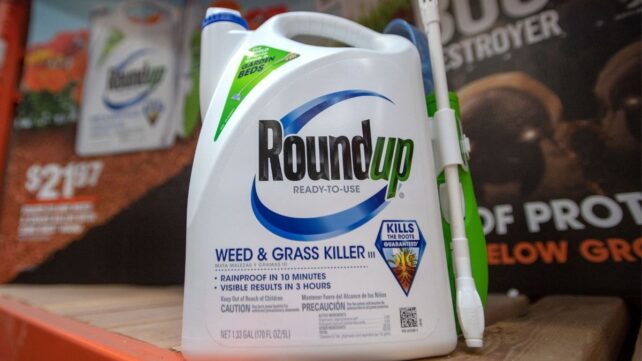
A controversial scientific paper that claimed the weed killer glyphosate (brand name Roundup) "does not pose a health risk to humans" has been formally retracted 25 years after publication due to serious ethical concerns around industry manipulation.
The decision comes eight years after a 2017 court case found that employees of the chemical company Monsanto were involved in ghostwriting the herbicide's safety evaluation.
The now-retracted article, which reported there was no evidence that Roundup caused cancer, endocrine disruption, or was toxic to humans, is one of the most-cited papers in scientific research relating to glyphosate.
It was published in Regulatory Toxicology and Pharmacology back in 2000 by authors Gary Williams, Robert Kroes, and Ian Munro.
The fact that its findings are now rolled back raises serious questions about Roundup's safety.
Monsanto introduced Roundup in 1974, and the herbicide was later acquired by Bayer in 2018. Bayer continues to maintain that the chemical is safe for use as directed.
Related: Does Monsanto's Roundup Cause Cancer? The Answer Is Not So Simple
"The retraction is based on several critical issues that are considered to undermine the academic integrity of this article and its conclusions," writes the journal's co-editor-in-chief, Martin van den Berg, in a retraction notice published in November 2025. In trying to contact Williams, the paper's sole surviving author, van den Berg received no response.
"This article has been widely regarded as a hallmark paper in the discourse surrounding the carcinogenicity of glyphosate and Roundup," van den Berg writes.
"However, the lack of clarity regarding which parts of the article were authored by Monsanto employees creates uncertainty about the integrity of the conclusions drawn."
Among those 'critical issues' is the fact that assessments of the chemical's contributions to cancer and genetic toxicity were based solely on unpublished studies by Monsanto, and omitted many other long-term studies that were complete at the time the review was written.
The lack of authorial independence "raises serious ethical concerns regarding the independence and accountability of the authors in this article", van den Berg states in the retraction notice. He goes on the list the lack of disclosure about Monsanto employees' involvement, and the financial compensation that authors may have received from the company.
Glyphosate is one of the most widely-used herbicides in the world, purchased by industrial-scale farmers and home gardeners alike to kill unwanted weeds.
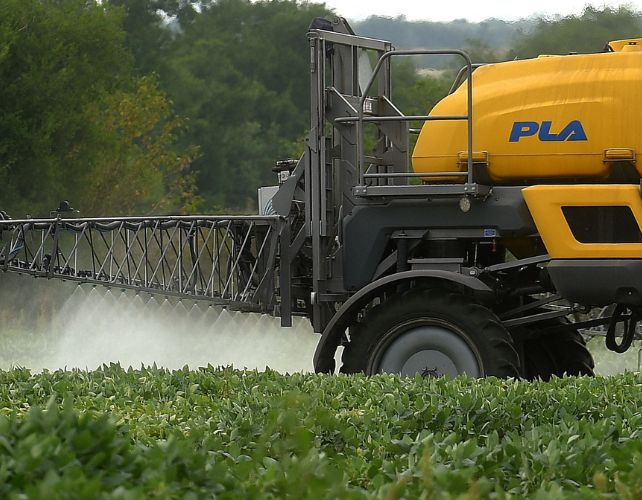
In agriculture, the chemical has been sold hand-in-hand with 'Roundup Ready' crops, plants that are genetically modified to survive glyphosate's effect. Currently, this includes soy, corn, canola, sugar beets, cotton, and alfalfa.
The genetic modification allows farmers to spray glyphosate liberally across fields, killing any plant that doesn't have an in-built resistance, while keeping crops intact.

There are growing concerns about the chemical's effect on human health, let alone the far-reaching impacts on other elements of natural and human ecosystems.
Harvard scientist Naomi Oreskes found the now-retracted paper is cited in more than 800 academic papers, dozens of government documents, and several Wikipedia articles, which, she points out, many large language models now rely upon for their information.
In 2015, the World Health Organization's International Agency for Research on Cancer concluded that glyphosate was a probable carcinogen, based mostly on animal studies, but other health agencies and organizations disagree.
Rigorous, truly independent research will be needed to determine whether glyphosate poses a real risk to humans.
So far, Bayer has paid $10 billion in lawsuits related to Roundup's potential carcinogenicity that were pending in 2020, and more than 67,000 cases are still to come.
The retraction notice and original paper are published in Regulatory Toxicology and Pharmacology. The review of the retracted paper's impact is published in Science.