
It is tempting to understand muscle's role in the body as a simple mechanical motor. But the truth is much more complex: our muscles function as an endocrine organ that can influence virtually every system in our bodies.
When a muscle contracts, hundreds of molecules known as myokines – substances essential for the body to function properly – are released.
Their discovery transformed modern physiology, giving rise to the idea that "exercise is medicine".
But this concept falls short.
In reality we can go much further, and say that exercise is as necessary for our health as breathing or eating, while a sedentary lifestyle and lack of movement can be classified as a source of illness.
Myokines are hormones that communicate via the bloodstream with various organs, such as the brain, adipose tissue, liver, bone, and the immune system. According to a 2024 review, they are the reason why exercise is beneficial for the immune system.
The most widely studied myokine to date is interleukin-6 (IL)-6. While it is released at rest, it is released at levels up to 100 times higher during high-intensity or aerobic endurance exercise.
Also of importance are irisin, which is key to maintaining body fat balance, and brain-derived neurotrophic factor (BDNF), which is involved in neuroplasticity and cognitive function.
Exercise also stimulates other organs to release exerkines, which are equally important. A 2022 review revealed the role that these molecules play in cardiovascular, metabolic, immune, and neurological health.
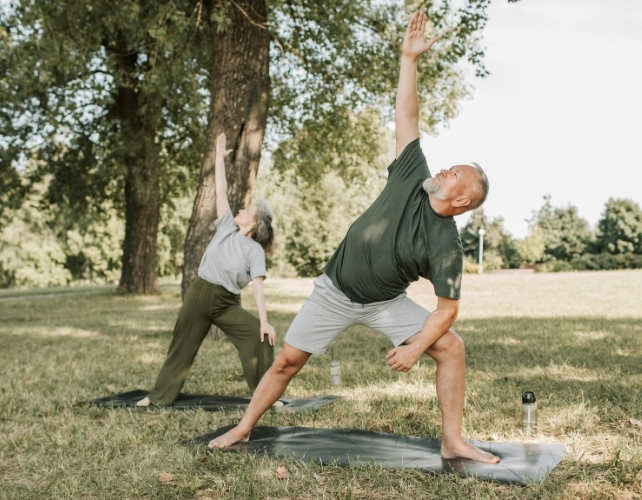
If we are inactive – meaning few exerkines circulate in our bodies – the risk of disease and all-cause mortality increases.
Myokines act in different ways in different parts of the body:
Immune system
Recent publications identify at least nine myokines that influence the proper functioning of the immune system.
These include irisin, decorin, and the interleukins IL-6, IL-7, and IL-15. Their release during exercise promotes the proliferation and differentiation of our immune cells, enhancing immune surveillance.
They also reduce chronic systemic inflammation, a key factor in preventing many metabolic and cardiovascular diseases. IL-6, for example, acts as an anti-inflammatory signal that can regulate the activity of lymphocytes, macrophages, and NK cells.
Nervous and neurocognitive system
Muscle exerts a direct influence on the brain via what has been termed the "muscle-brain axis".
Evidence shows that molecules such as BDNF, irisin, and cathepsin B can stimulate the formation of new neurons. They are also linked to improved learning and memory, and are associated with protection against the cognitive decline associated with neurodegenerative diseases.
Irisin, for instance, has been linked to increased levels of BDNF in the hippocampus, a region crucial for memory. And cathepsin B contributes to neuronal regeneration and improved cognition.
This set of chemical signals explains why physically active people have a lower risk of cognitive decline and better emotional health.
The brain "listens" to what the muscles are saying when they contract, and responds by adapting and becoming stronger.

Glucose and fat metabolism
During exercise, IL-6 plays a key role in mobilizing fatty acids from adipose tissue, primarily visceral fat (which accumulates in the abdominal cavity and poses a greater risk). This promotes fat burning and helps maintain blood glucose levels.
It also regulates insulin sensitivity, enabling the muscle to take up glucose more efficiently. This mechanism explains some of the benefits of exercise in preventing type 2 diabetes.
Overall, muscle acts as a "metabolic thermostat" that regulates energy expenditure and determines when to mobilize, store, or use energy depending on physical activity.
Cardiovascular system
Although exercise for cardiac patients should be prescribed by a healthcare professional such as a cardiologist or physiotherapist, it can help prevent cardiovascular disease.
Physical activity triggers the release of exerkines, which promote vasodilation, improve vascular function, and reduce arterial stiffness.
This explains why physically active people have a lower risk of high blood pressure, coronary heart disease, and heart failure.

Bones and osteoporosis
Muscles also interact with the skeleton. Multiple myokines promote bone formation and remodeling by stimulating the activity of osteoblasts (bone-forming cells) and regulating bone mineral density.
This is a necessary complement to the mechanical stresses of exercise, and to prevent and combat osteoporosis
Tumor suppression and reduced cancer risk
An article published in The Lancet Oncology identifies a sedentary lifestyle as a risk factor for more than 10 types of cancer.
This is partly explained by the fact that during exercise, myokines are released, which inhibit the spread of cancer cells and reduce DNA damage from potentially malignant cells.
To this we can add exercise's ability to mobilize the immune cells capable of recognizing and destroying tumor cells in the early stages of growth.
Even one session of exercise significantly increases the levels of myokines capable of suppressing the growth of cancer cells.
Related: Exercise Triggers Memory-Related 'Brain Ripples', Study Finds
Taken together, all this evidence shows that our muscles act as an endocrine organ.
Every single muscle contraction sends signals that regulate the body's internal balance – meaning movement is biologically necessary for our bodily systems to function properly.
Beatriz Carpallo Porcar, Fisioterapeuta. Personal docente e investigador en el grado de Fisioterapia en la Universidad San Jorge. Miembro del grupo de investigación iPhysio., Universidad San Jorge; Andrés Ráfales Perucha, Fisioterapeuta y Personal Docente e Investigador de la Universidad San Jorge. Miembro del grupo de investigación UNLOC., Universidad San Jorge; Daniel Sanjuán Sánchez, Fisioterapeuta y personal docente investigador en la Facultad de Ciencias de la Salud en Universidad San Jorge, profesor asociado en la Facultad de Enfermería y Fisioterapia en la Universitat de Lleida. Miembro del grupo de investigación iPhysio, Universidad San Jorge; José Lesmes Poveda López, Profesor de Fisioterapia, Universidad San Jorge, and Paula Cordova Alegre, Personal docente - investigador en los grados de fisioterapia y enfermería de la Universidad San Jorge, Universidad San Jorge
This article is republished from The Conversation under a Creative Commons license. Read the original article.