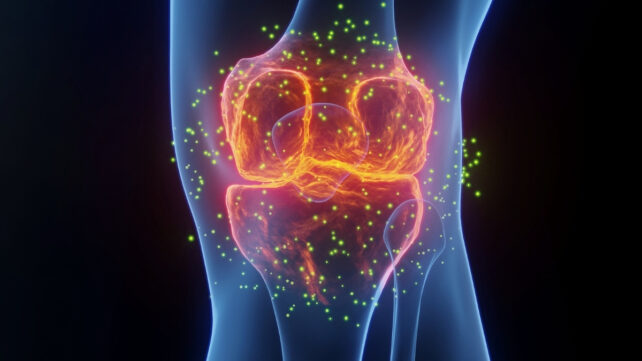
When someone is suffering from stiff and aching joints due to arthritis, the last thing they probably want to do is get up and move.
Surprisingly enough, however, consistent physical activity may be their best bet – even more so than temporary solutions like anti-inflammatory drugs or steroid injections.
Today, many experts say that physical activity should be a first-line treatment to reduce pain and improve mobility in those with osteoarthritis, or arthritis of the joint.
So long as the activity doesn't cause too much pain or discomfort, exercise can help protect the body's joints from future flare-ups of inflammation.
Emerging evidence in the United States, Europe, and the United Kingdom, however, is finding that most patients with osteoarthritis are not being referred to a physical therapist.
Some are instead receiving surgery referrals first.
Physiotherapist Clodagh Toomey from the University of Limerick in Ireland highlighted why that is an issue in a 2025 piece for The Conversation.
"The best medicine isn't found in a pill bottle or an operating theatre," wrote Toomey.
"Yet across countries and health systems, too few patients are being guided toward the one therapy proven to protect their joints and ease their pain: exercise."

Physicians and patients may avoid exercise recommendations due to concerns over protecting a 'damaged' joint from further damage. But that impulse is based on an outdated conception of what actually causes osteoarthritis.
This condition, which is marked by pain and inflammation in the joints, was once thought to be a product of 'wear and tear'.
Today, however, we know that the gradual deterioration of the joint is not solely due to cartilage loss, or from overuse. Instead, it involves the entire joint and systemic processes in the body that drive inflammation, pain, and damage.
Unlike pharmacological treatments, physical movement may help strengthen and protect the whole joint, including the bone, ligaments, muscles, cartilage, and nerves.
It is also possible that exercise can reduce systemic inflammation or alter metabolic or hormonal states that drive osteoarthritis, although that still needs to be researched further.
Some studies even suggest that in severe cases of knee and hip osteoarthritis, exercise can prove especially helpful, as long as pain and discomfort are kept to a minimum.
Still, many studies examining exercise as a treatment for osteoarthritis are short-term. Larger reviews on the long-term outcomes tend to lump all forms of exercise together, including 'supervised' activity with a physical therapist and 'unsupervised' activity.
Regular exercise that is based on a professional plan may be more effective at managing symptoms in the long run, some experts argue – all while avoiding drug side effects and risky surgical procedures.
In the long run, bone remodeling surgery or surgery for total joint replacement may be more effective for some patients than exercise.
But these procedures are not necessary for everyone with osteoarthritis, and seeing a physical therapist is significantly less risky, expensive, and invasive.
"If osteoarthritis causes you pain and stiffness, you may think exercise will make your symptoms worse," explains an information page on the United Kingdom's National Health Service (NHS) website.
"However, regular exercise that keeps you active, builds up muscle, and strengthens the joints usually helps to improve symptoms."
What kind of exercise helps osteoarthritis the most is unknown.

A review of 217 randomized controlled trials, including more than 15,000 participants with knee osteoarthritis, found that aerobic exercise probably results in the largest improvements in pain after 12 weeks.
This form of exercise includes brisk walking, swimming, or cycling, and it was also associated with a large increase in joint function up to 24 weeks later.

More research is needed, however.
In 2023, a systematic review of clinical studies found that those with knee osteoarthritis benefited from a range of physical activities, including yoga, tai chi, pilates, aerobics, and resistance training.
Related: One Simple Diet Change Helps Older Adults Lose Fat And Boost Metabolism
In a recent piece for The Conversation, exercise scientist Hunter Bennett and physiotherapist Lewis Ingram from Adelaide University in Australia reviewed the available evidence on osteoarthritis treatments and shared their suggestions.
"The best type of exercise is the one that gets done," they concluded.
"If you enjoy being outdoors and walking, then this is going to be a great choice as it will improve all aspects of your health as well as reduce pain."