This week in science: injections of an experimental drug show promise in repairing damaged cartilage in joints; an intriguingly human-like pattern found in whale communication; the most pure star ever detected; and much more!
Experimental Drug Can Reverse Osteoarthritis in Weeks, Animal Research Shows
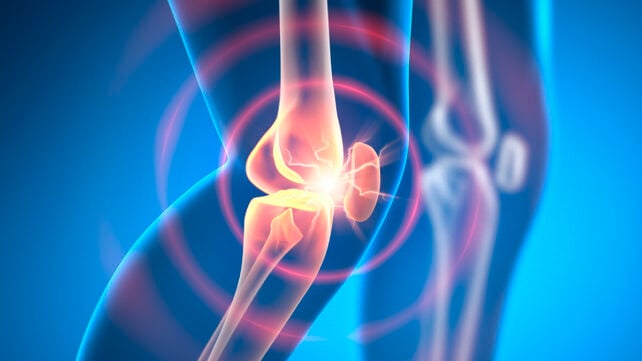
Injecting a slow-release drug into joints can repair cartilage to relieve osteoarthritis within weeks, according to a new animal study.
"In two years, we were able to go from a moonshot idea to developing these therapies to demonstrating that they reverse osteoarthritis in animals," says chemical and biological engineer Stephanie Bryant. "Our goal is not just to treat pain and halt progression, but to end this disease."
Read the full story here.
Scientists Found Human Speech-Like Patterns in Sperm Whale Clicks
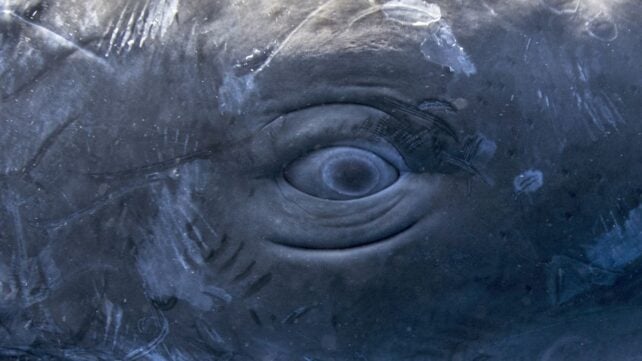
New analysis has found that sperm whale communication follows structured rules that are surprisingly similar to those in human speech.
The team found that sperm whale codas fall into distinct categories that behave like vowel sounds in human speech, with consistent differences in length, patterns, and interactions with neighboring sounds.
Read the full story here.
Sibling Stem Cell Transplant Leads to Rare HIV Remission in 'Oslo Patient'
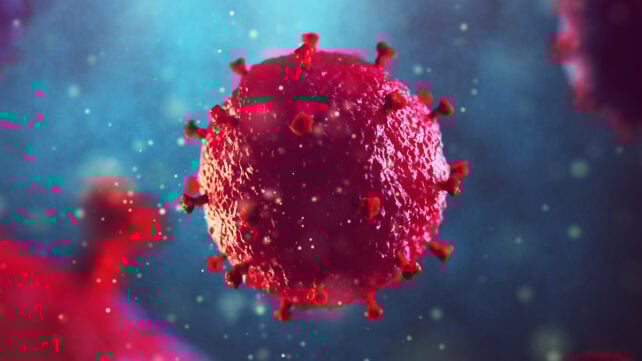
A Norwegian man is in long-term HIV remission after a stem cell transplant from his brother, who carries a rare, beneficial genetic mutation.
Four years after the transplant, all traces of functioning HIV DNA were found to have been cleared in the treated individual.
He was able to stop his HIV medication two years after the transplant, with still no evidence of viral rebound at five years post-transplant.
Read the full story here.
A Quiet Region of Italy Is Hiding a Vast Reservoir of Magma

A huge reservoir of magma has been discovered beneath Tuscany in Italy, at a volume similar to that of the Yellowstone supervolcano.

"We knew that this region, which extends from north to south across Tuscany, is geothermally active, but we did not realize it contained such a large volume of magma, comparable to that of supervolcanic systems such as Yellowstone," explains lead author and geoscientist Matteo Lupi from UNIGE.
Read the full story here.
Common Vitamin May Reduce Buildup of Alzheimer's Proteins, Study Finds
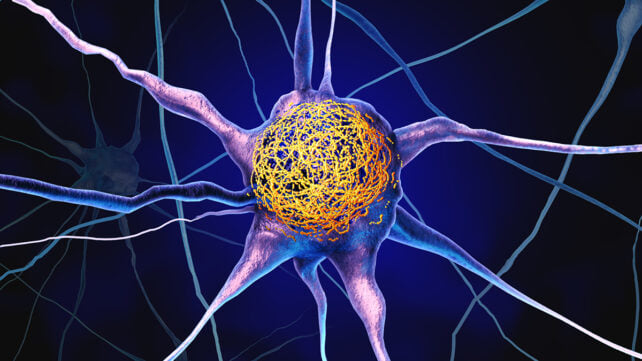
Higher levels of vitamin D in midlife have been linked with lower levels of tau protein tangles in the brain later – a hallmark of Alzheimer's.
"These results suggests that higher vitamin D levels in midlife may offer protection against developing these tau deposits in the brain and that low vitamin D levels could potentially be a risk factor that could be modified and treated to reduce the risk of dementia," says neuroscientist Martin David Mulligan, from the University of Galway in Ireland.
Read the full story here.
The Universe's Most Pristine Ancient Star Is Surprisingly Close

Astronomers have found the purest ancient star ever, made almost entirely of hydrogen and helium – and it's right here in the Milky Way.
"These pristine stars are windows into the dawn of stars and galaxies in the Universe," says cosmologist Alexander Ji of the University of Chicago, who led the research.
Read the full story here.