
This Week in Science: The secrets of a sneaky snake, cholesterol gene therapy, nature plugs a methane leak, and more!
First up: An arthritis drug regrows lost hair in a clinical trial, potentially providing a new treatment for alopecia.
Also this week:
- Concrete made from human poop
- A strange new form of ice that may exist on Neptune
- A viper with a bizarre hunting strategy
- A gene therapy cuts cholesterol in half
- How nature quickly plugged a methane leak
Read on below, and make sure you also check out our TWIS video!
Arthritis Drug Restores Up to 100% of Hair in Patients With Severe Alopecia

Around 2 percent of the world's population has to live with the severe hair loss and associated psychological toll that comes with alopecia areata, a condition caused by the immune system mistakenly attacking hair follicles.
Due to some similarities with existing alopecia areata medications, the anti-inflammation and arthritis drug upadacitinib has been put to the test as a potential treatment in a new study reporting on two Phase 3 clinical trials run in tandem.
"In these two parallel phase 3 replicate randomized clinical trials, upadacitinib demonstrated a positive benefit-risk profile in adults and adolescents with severe alopecia areata," write the researchers in their published paper.
"Upadacitinib may be a potentially effective treatment option for this patient population."
Read the full story here.
Scientists Are Making Concrete With Human Poop – And It Gets 42% Stronger

Concrete is, quite literally, the foundation of the modern world.
Almost every construction project in the world uses the material in some form. There's just one problem, and that's a big one: Making one of its central ingredients – cement – is horrendously bad for the environment.
The act of heating and processing limestone to make cement is one of the world's foremost sources of carbon dioxide emissions – so, understandably, scientists have been looking for ways to mitigate this problem.
And researchers led by civil engineer Raghuvesh Tiwari of Manipal University Jaipur in India may have just hit upon an ingenious solution that takes care of two environmental birds with one stone.
By mixing in biochar made from the human poop slurry processed at fecal sludge treatment plants, their concrete "yields significant improvements in concrete properties," they write in a paper accepted for publication in Scientific Reports.
Read the full story here.
Scientists Create a New Form of Ice at More Than 2,000 °C

Water is extremely weird, behaving in ways completely at odds with other liquids. It becomes less dense when it freezes. Its surface tension is bizarrely high. So is its boiling point. And, based on its molecular weight, it should be a gas at room temperature.
And that's all at normal, ambient Earth conditions.
Tweak the pressure and the temperature a few notches, and water's outlandish behavior gets even more out of hand.

Scientists have now demonstrated one of the weirdest forms of ice yet – under preposterous pressures up to 2.3 million atmospheres, and tremendous temperatures up to 2,630 kelvins (2,357 degrees Celsius, or 4,274 degrees Fahrenheit).
Read the full story here.
Mysterious Viper With a 'Spider' For a Tail Reveals Another Bizarre Surprise
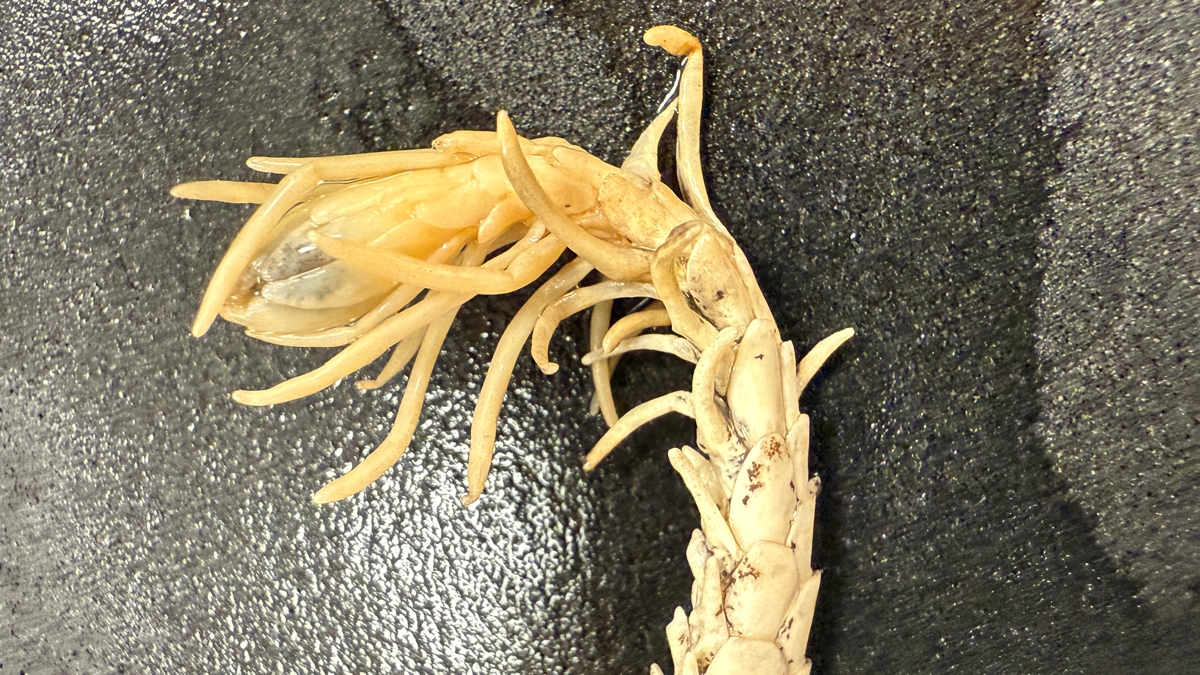
A number of creatures on Earth possess a sting in their tails – but there's only one animal known to science with a spider for a tail.
The aptly named spider-tailed horned viper (Pseudocerastes urarachnoides) from Iran is one of the most bizarre snakes in the world, having evolved a strange appendage on its tail that looks remarkably like an arachnid, even down to its creepy spider 'legs'.
In a new study published in The Anatomical Record, researchers used high-resolution micro-CT scans to peer inside the viper for the first time, expanding what we know about this strange snake and its even stranger tail.
Read the full story here.
Experimental One-Dose Treatment Cuts 'Bad' Cholesterol by 52% in First Human Trial
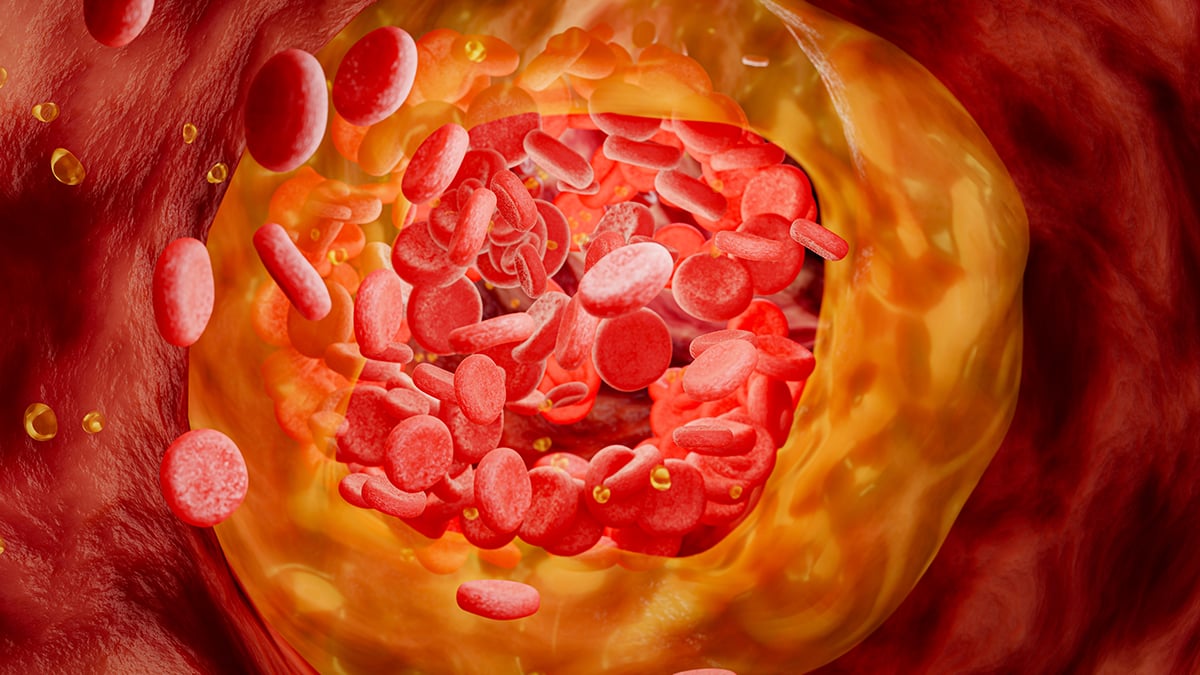
Too much 'bad' cholesterol in the bloodstream – that's the low-density lipoprotein (LDL) type – can contribute to plaque buildup in the arteries, increasing the risk of cardiovascular problems like heart attacks and strokes.
Scientists are now working on a precise DNA-editing approach, using CRISPR technology to make a permanent genetic change that could durably reduce LDL cholesterol after a single treatment.
Called CTX310, it aims to mimic a naturally occurring genetic variant that lowers LDL cholesterol via reduced expression of a liver protein called ANGPTL3.
New results from a clinical trial, led by a team from the Cleveland Clinic Coordinating Center for Clinical Research and published in the New England Journal of Medicine, suggest the approach can remain safe and effective even a year later.
Read the full story here.
Scientists Accidentally Caused a Methane Leak Beneath The South China Sea. Ocean Life Sealed It Almost Instantly.
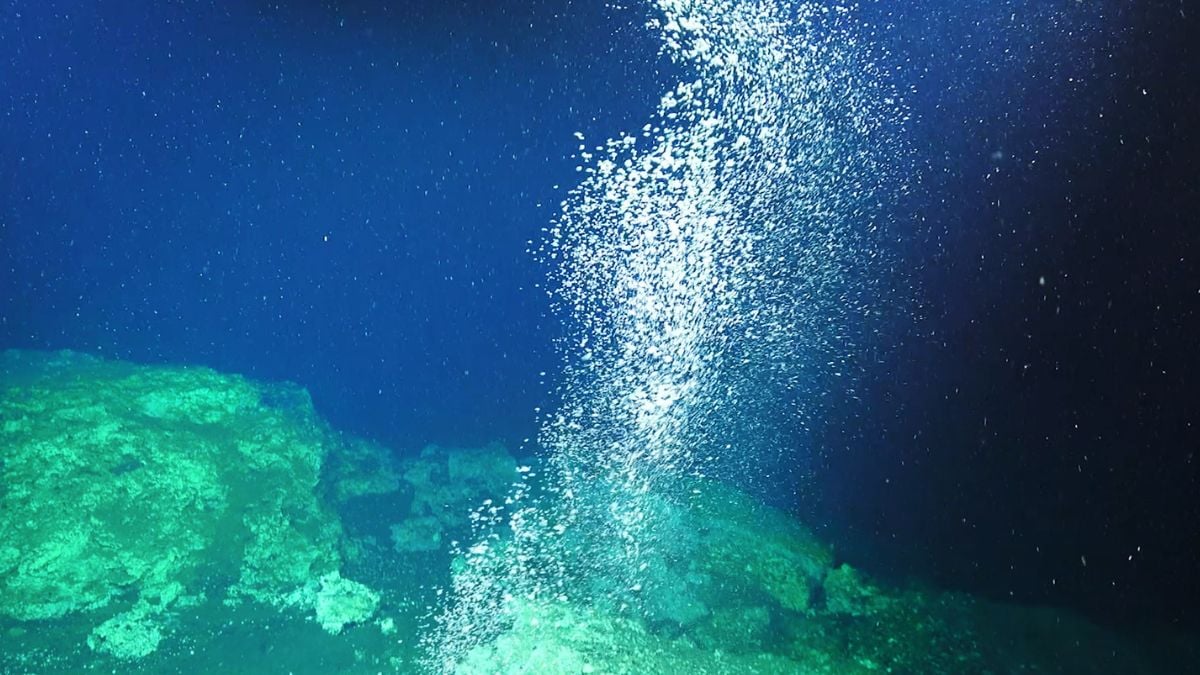
In 2018, researchers from the Chinese government accidentally caused a methane leak in the South China Sea.
A year later, a plume of methane gas had shot up from the deep, rising more than a kilometer high into the water column.
It was a mistake that scientists thought would take decades, if not a century, to naturally resolve.
Then, something incredible happened.
Using echosounders, underwater cameras, and chemical sensors, researchers watched in awe as a swarm of ocean life flocked to the hole and contained the leaking gas with "remarkable speed".
"Within just one to two years, an effective methane-consuming ecosystem had already formed," says microbial ecologist Emil Ruff of the University of Bremen in Germany.
Read the full story here.

Watch the video above for a recap of the top stories from this week!