Scientists have identified eight chemicals commonly used to preserve food that are linked to a greater risk of high blood pressure.
The long-term study tracked the health and diets of 112,395 people in France over roughly seven to eight years.
Those who consumed the most preservatives had a 24 percent higher risk of developing high blood pressure.
What's more, participants who consumed the most non-antioxidant preservatives had a 16 percent higher relative risk of developing cardiovascular disease.
Non-antioxidant preservatives are designed to prevent food from spoiling by inhibiting bacterial or fungal growth, rather than by preventing oxidation.
But even some antioxidant preservatives that are chemically identical to naturally occurring compounds, like vitamin C, were tied to negative health outcomes.
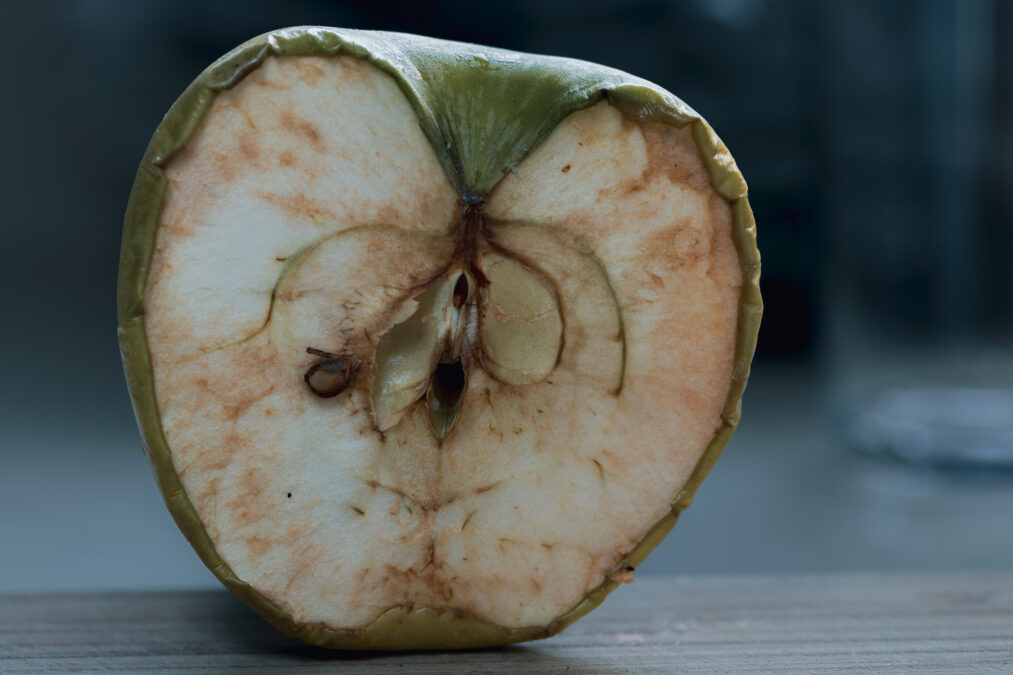
These additives are sometimes used to stop fruit or vegetables from turning brown.
The findings are published in the European Heart Journal.
"Experimental studies suggest that some preservative food additives may be harmful to cardiovascular health, but we have not had enough evidence on the impact of these ingredients in humans," explains nutritional epidemiologist and PhD student Anaïs Hasenböhler from Sorbonne Paris North University.
"As far as we know, this is the first study of its kind to investigate the links between a wide range of preservatives and cardiovascular health."
The results of this observational study do not prove that these food additives cause high blood pressure or directly lead to heart disease. They can only hint at possible associations.
One of the perks of this research, however, is that scientists rigorously tracked the diets of participants. Some individuals reported close to 100 daily meal logs, including brand information for the foods they ate.
This highly detailed information allowed researchers to adjust for the fact that unhealthy, processed foods are more likely to contain preservatives.
Even after adjusting for major food groups like fruits and vegetables, red and processed meats, and ultra-processed foods, they found statistically significant associations between preservatives and cardiovascular health outcomes.
"This limits the likelihood that the observed associations are solely driven by the foods themselves rather than by the preservatives studied," the authors explain.
The eight additives identified by researchers in France were:
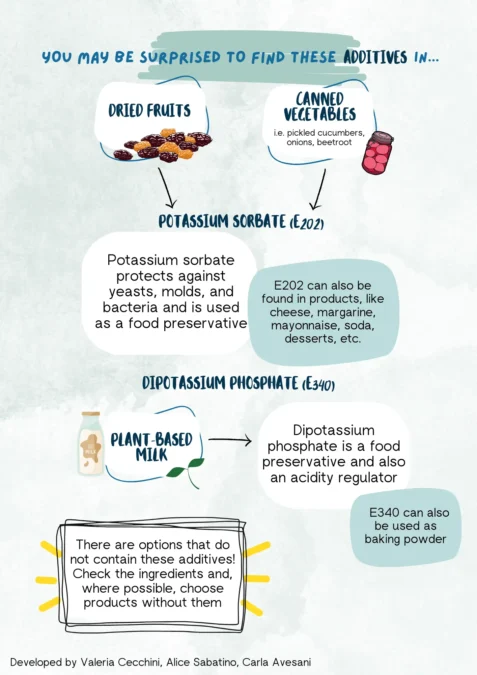
Potassium sorbate (E202), which is often used in processed fruit and drinks.
Potassium metabisulphite (E224), commonly used in alcoholic drinks like wine.
Sodium nitrite (E250), sodium ascorbate (E301), and sodium erythorbate (E316), which are all used in processed meats.
Ascorbic acid (E300), often put in processed fruits and vegetables.
Citric acid (E330), commonly used in soft drinks.
And finally, rosemary extract (E392), typically added to oils and fats.
Only one of these chemicals, on its own, was tied to cardiovascular disease.
Surprisingly, it was ascorbic acid (E300), which is the chemical name for vitamin C, that was associated with a 15 percent higher risk of cardiovascular disease.
Roughly half of the ascorbates ingested by participants in this study came from processed fruit and vegetables.
Previous research has linked natural vitamin C to better health outcomes, but perhaps that is not the case when this chemical is used as a food additive.
This one result from France does not call into question current food-based dietary guidelines, but it does suggest safety guidelines may warrant reevaluation.
The authors argue their results have "important public health implications as consumers are exposed to these compounds via thousands of foods and drinks."
Further epidemiological studies and experimental data are needed.
Adding preservatives to fruits and vegetables may allow more people access to important foods that lower the risk of cardiovascular disease.
But those benefits need to be weighed against the possible downsides.
In 2024, for instance, a study found that mice with human gut microbes that were fed fructose with potassium sorbate as a preservative showed signs of metabolic dysfunction associated with fatty liver disease.
Whether the same might occur in human bodies is unknown.
"Experimental research in the literature consistently suggested that preservatives may cause oxidative stress in the body or affect the way the pancreas works," says lead author Mathilde Touvier, a research director at the French National Institute for Health and Medical Research.
"These results suggest we need a re-evaluation of the risks and benefits of these food additives by the authorities in charge, such as the EFSA in Europe and the FDA in the USA, for better consumer protection."
Until we get more data, these findings support existing recommendations to favor minimally processed foods and to avoid unnecessary additives where possible.
The study is published in the European Heart Journal.
This article was fact-checked by Rebecca Dyer and edited by Rebecca Dyer. While we pride ourselves on our process, we are only human. If you spot a mistake, please let us know.