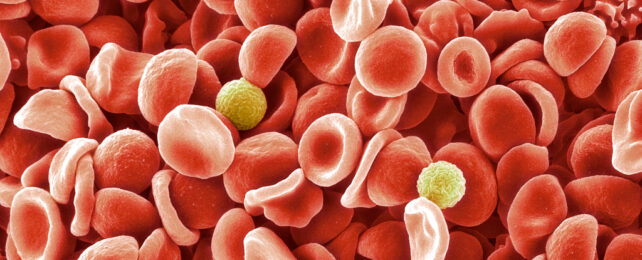
Can you guess what's under the microscope this week?
Here are the answers to our weekly Microscope Mystery quiz.
If you'd like these delivered straight to your inbox, you can subscribe free to Spark - our weekly newsletter that's expertly curated for science-curious minds.
Answers:
20 March 2026
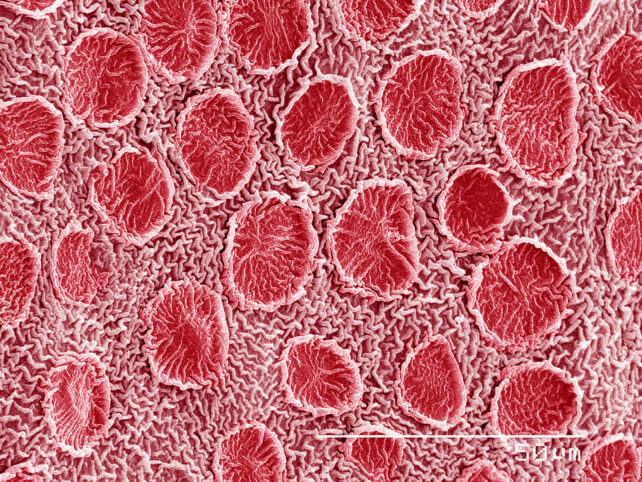
The answer is B - Rose petal.
Rose petals are dotted by specialized scent-producing glands, called osmophores. When you stop and smell the roses, these are the little perfume factories you are whiffing. 🌹
13 March 2026
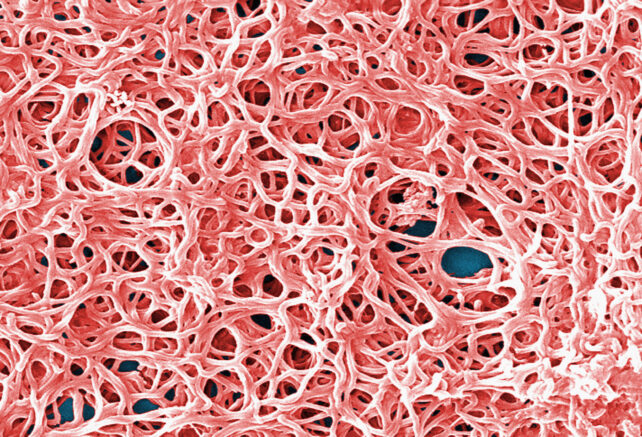
The answer is D - Lyme disease bacteria.
20 Feb 2026
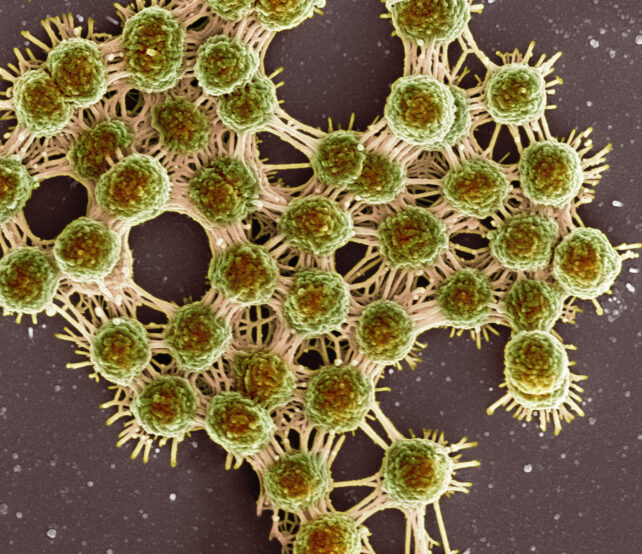
The answer is A - saliva.
Saliva contains billions of microbes, and this particular microscopic image features a biofilm of cocci (round) bacteria linked together by strands of extracellular DNA. The structure gives the material a sticky consistency.
13 Feb 2026
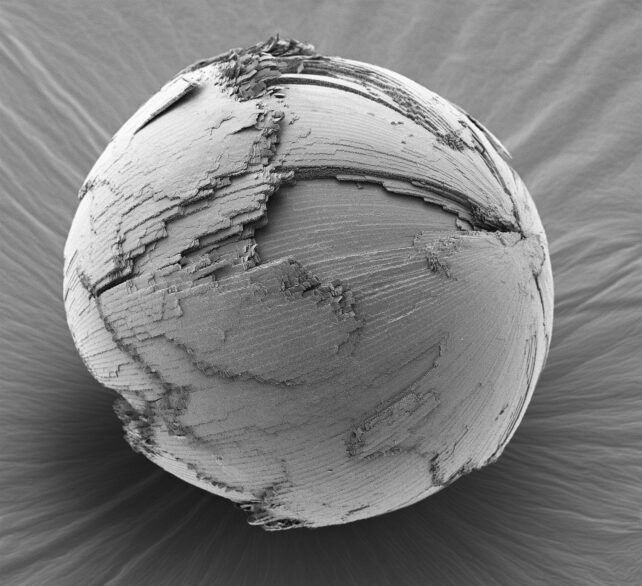
The answer is D - Eye lens.
The lens of your eye somewhat resembles an onion. Its concentric rings of densely packed fibers can flex to become flatter or rounder, thereby bending incoming light to the retina.
5 Feb 2026
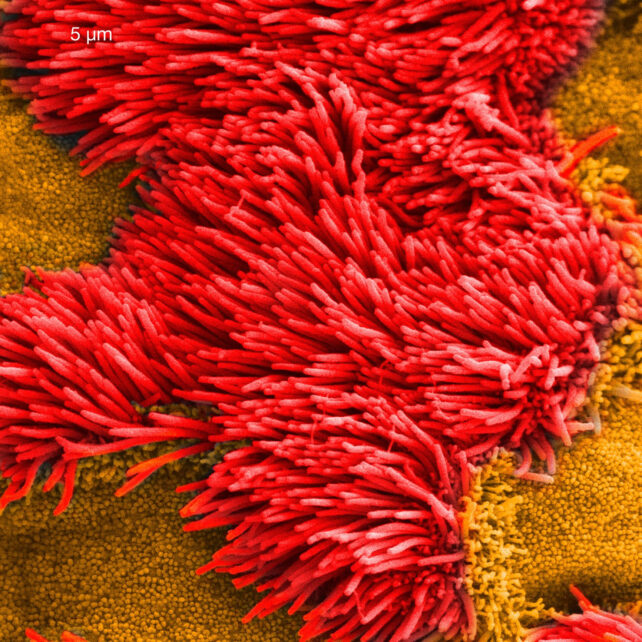
The answer is C - The windpipe.
The windpipe, or trachea, which connects the lungs to the larynx, is covered in tiny hairs, or cilia, that stop inhaled particles from infiltrating the bronchi. Only very small pathogens can slip past.
30 January 2026
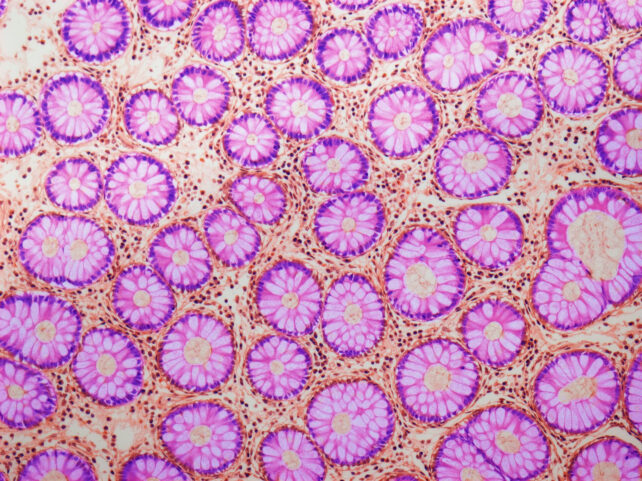
The answer is A - Gut cells.
Who knew your gut was so beautiful? These flower-like objects are cross-sections of intestinal 'crypts' – finger-like projections in your colon and small intestine that help with digestion and cell renewal.
22 January 2026
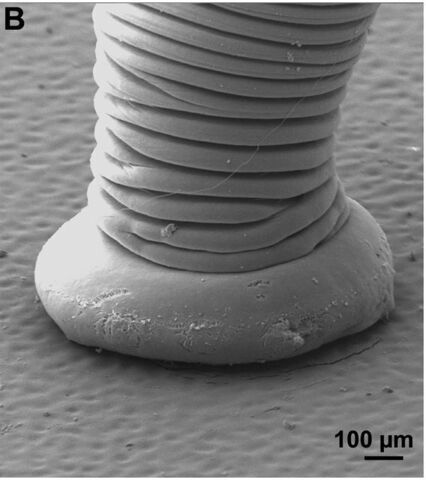
The answer is A - Starfish foot.
Sea stars have hundreds of these little tube feet, which they use to crawl around. Even without a brain, they somehow manage to coordinate each and every foot.
16 January 2026
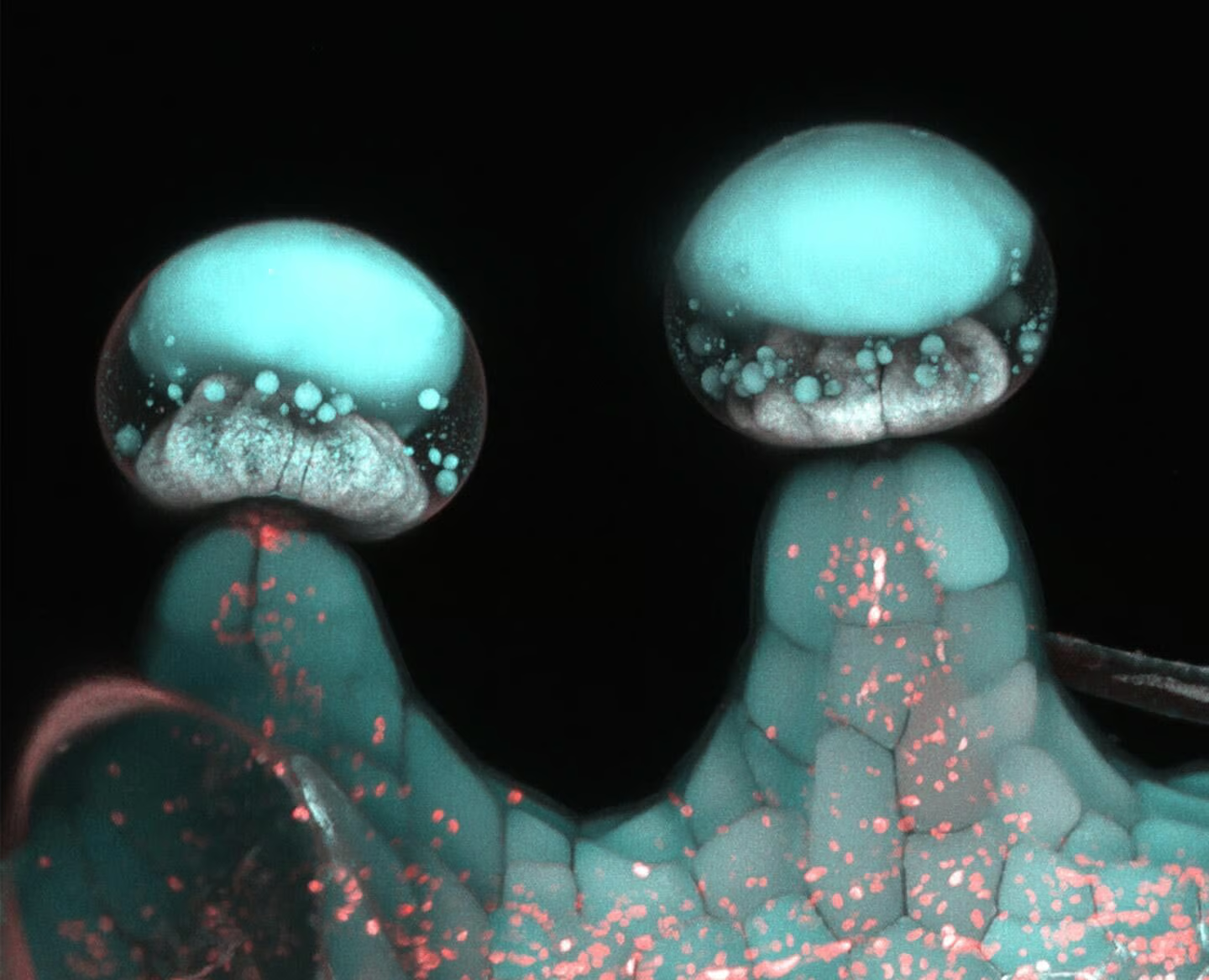
The answer is D - Cannabis flower.
The fluffy cannabis flower is riddled with tiny hairs called trichomes that look like little mushrooms under the microscope. Research suggests these large stalks are the most potent source of THC- and CBD-forming metabolites.
9 January 2026
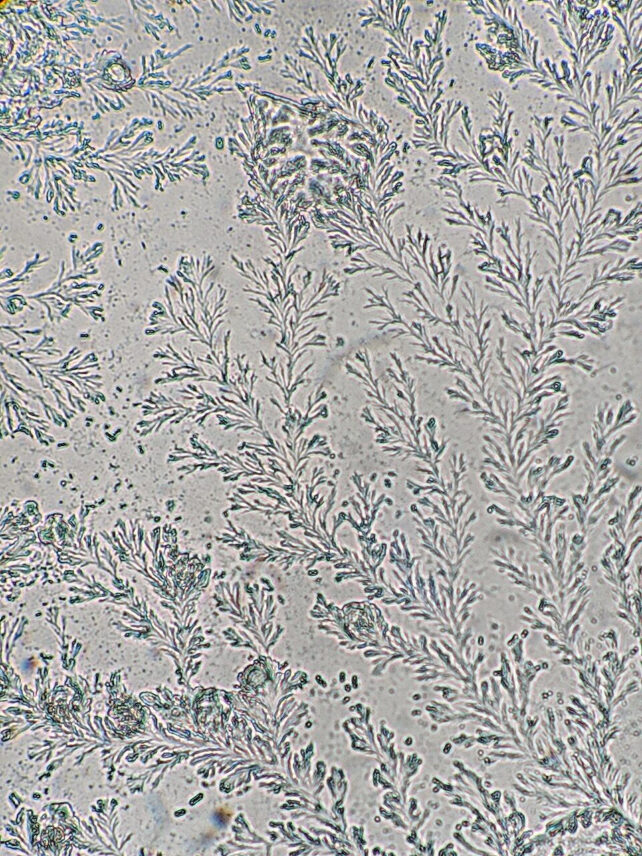
The answer is B - cervical mucus.
The slimy substance that lines the cervix, vagina, and vulva can look like wallpaper under the microscope. The 'ferning' patterns aren't just strikingly beautiful; they're also incredibly useful for fertility and obstetric tests.
2 January 2026
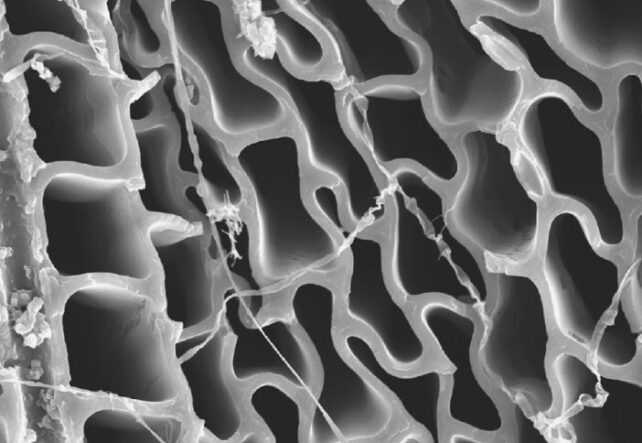
The answer is C - charcoal.
When wood is burned, it becomes highly porous and lightweight. Water and other volatile compounds are lost, but carbon remains in the cell walls, preserving the plant's broad architecture.
25 December 2025
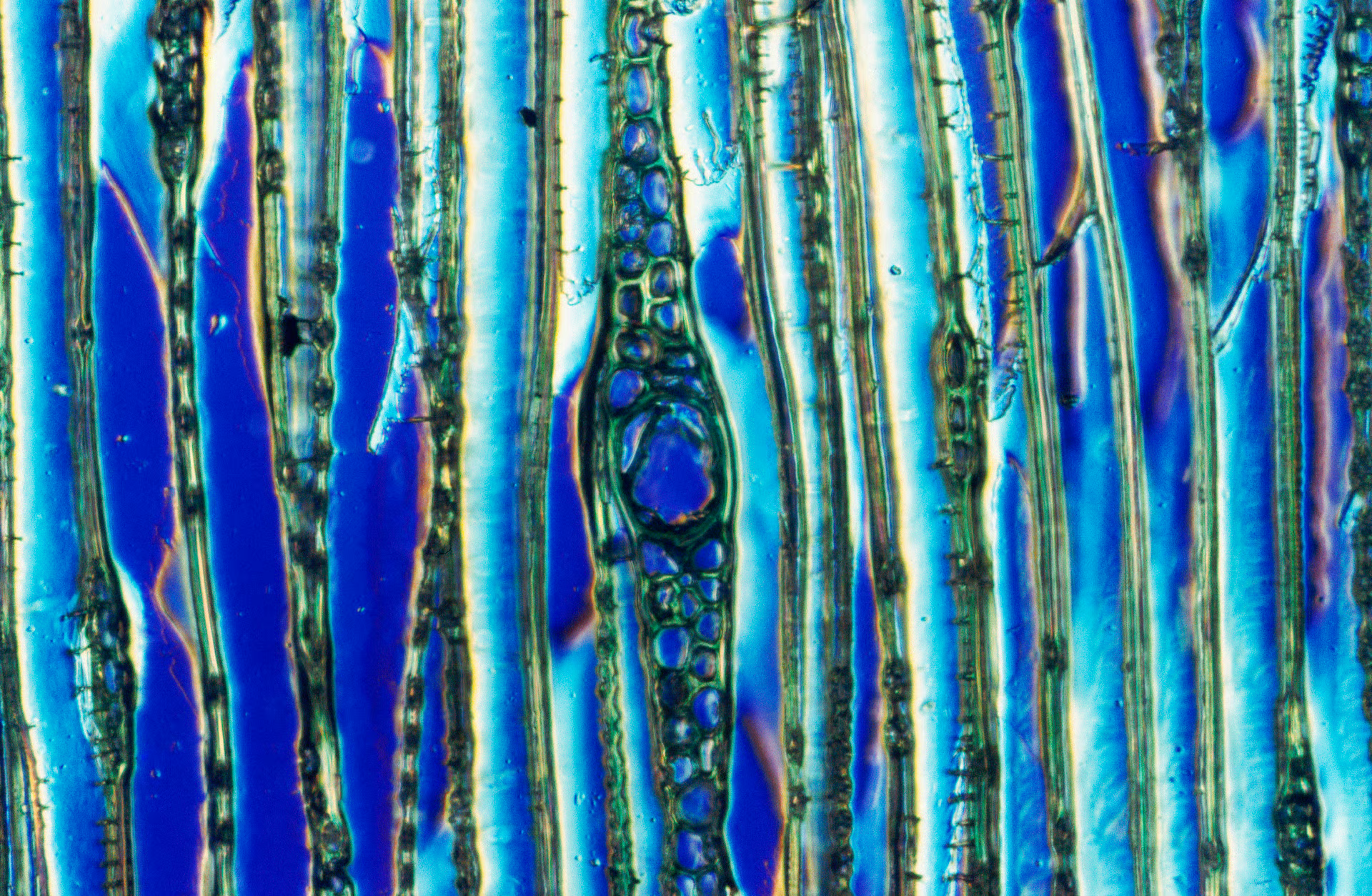
The answer is B - Scots pine.
The Scots pine is a very popular Christmas tree, and the most widespread pine species in the world. The plant's tissues survive freezing winters by precisely controlling where ice forms.
Thursday 18 December 2025
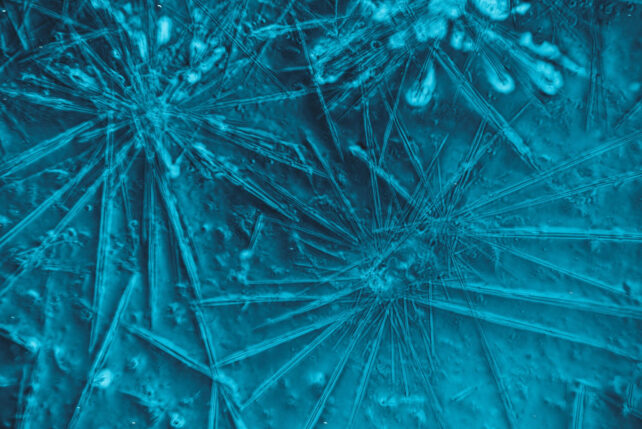
The answer is A - caffeine.
Ever wondered how decaffeinated coffee works? Crystals of caffeine, like the one featured above, can be removed from coffee beans using a solvent called ethyl acetate, which is found in its natural form in many fruits.
11 December 2025
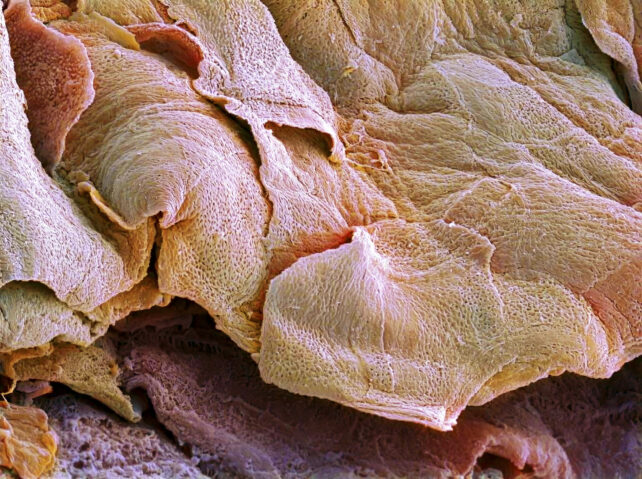
The answer is B - scab.
After a flesh wound, special skin cells that produce high amounts of the protein keratin converge to form protective layers over the injury. When the scab is no longer needed, it falls off.
4 December 2025
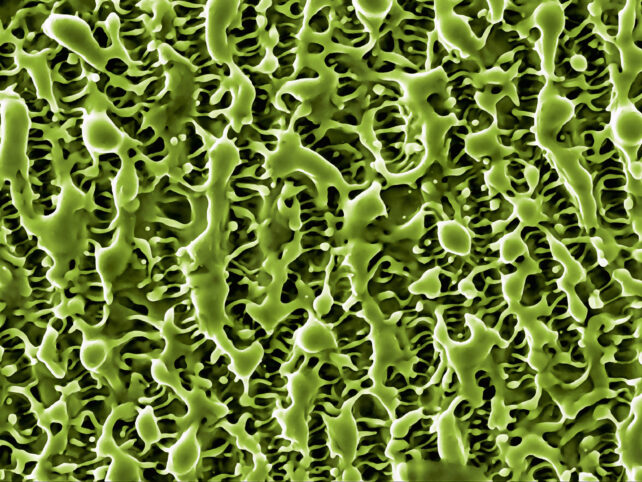
The answer is A - nickel.
Nickel is a special metal that can hold incredibly precise shapes. These particular nanostructures were chiseled out by a laser beam, a technique that can alter the metal's properties in useful ways for electronics.
27 November 2025
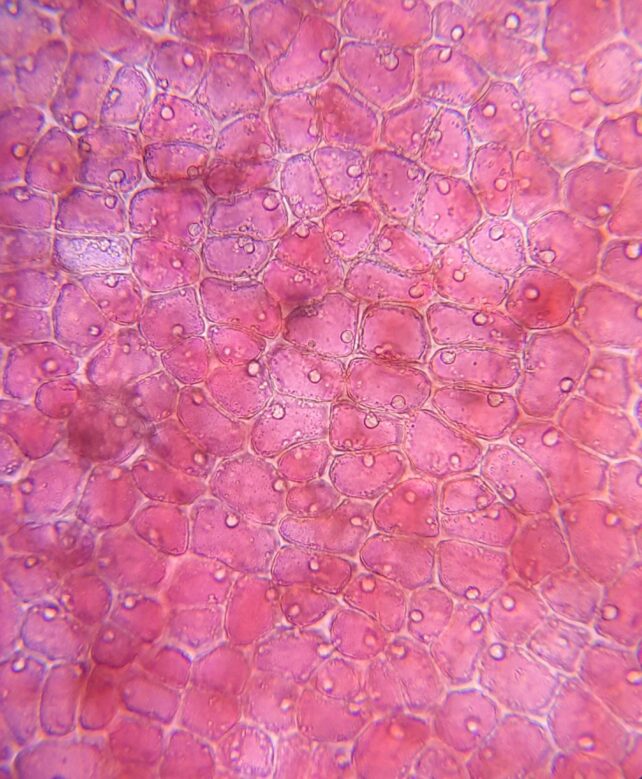
The answer is C - cranberry skin.
The peel of a cranberry is filled with red pigments that become more condensed as the fruit ripens. Called anthocyanins, these potent antioxidants have been linked to gut health and potential cancer-fighting properties in mice and cell line experiments.
20 November 2025
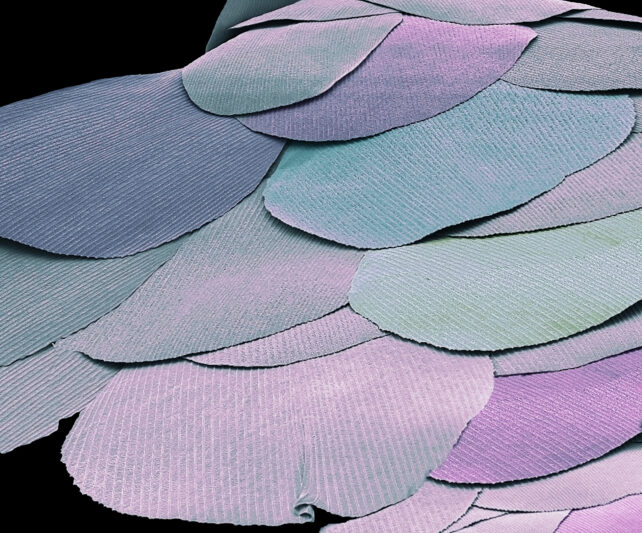
The answer is D - insect scales.
Silverfish are not, in fact, silver fish. They are wingless insects covered in tiny, glistening scales, which give them a shimmery, metallic appearance, especially when they wriggle about.
13 November 2025
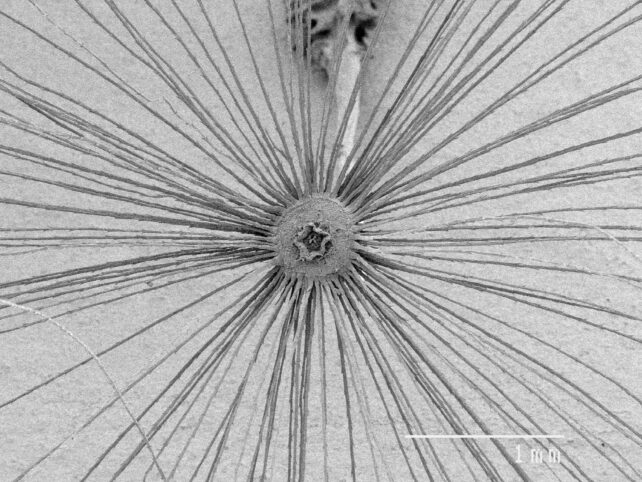
The answer is B - dandelion seed.
The fluffy white of a dandelion seed is 90 percent empty space, and yet it somehow generates an extraordinary vortex field - a swirling pocket of air, adjacent to, but separate from the dandelion's body, that allows it to fly incredible distances: up to 100 kilometers.
6 November 2025
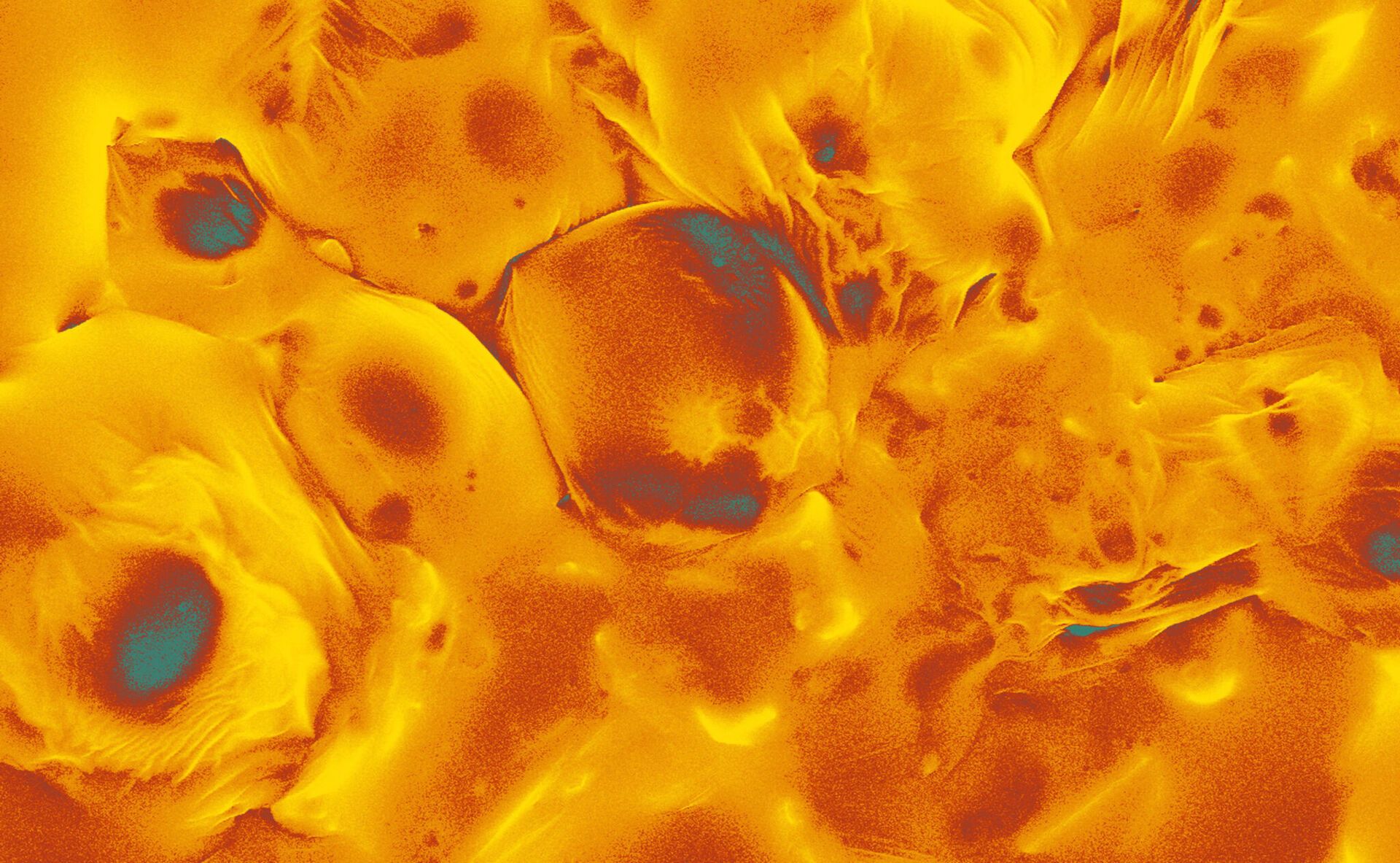
The answer is A - crystallized ginger.
Candied ginger looks delicious under the microscope. While a coating of sugar isn't especially healthy, some evidence suggests that drying out ginger root makes it even richer in antioxidants.