Hopes are high for a powerful new compound aimed at lowering blood fat levels responsible for potentially fatal heart disease. In a recent trial, the oral drug, TLC-2716, lowered blood triglycerides by almost 40 percent and remnant cholesterol by more than 60 percent.
The drug was tested in a clinical trial involving 100 healthy adults to assess its effects on a metabolic switch that is active in the liver and gut, and involved in making and handling fats. The trial was the first of its kind on humans, and more testing is required.
Researchers initially isolated the switch, called Liver X Receptor ⍺ (LXR⍺), through analysis of large human genetics databases. Then they linked it to blood-fat-related metabolic disorders using Mendelian randomization, a powerful technique for linking gene expression and outcomes.
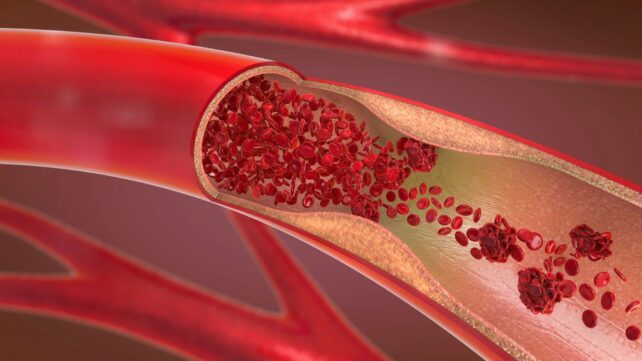
Metabolic disorders happen when fat production from digestion outpaces the body's ability to use it. Excess fat sticks to arterial walls, forming plaques.
This causes atherosclerotic cardiovascular diseases (ASCVD), including coronary heart disease, as well as acute pancreatitis and metabolic dysfunction-associated steatotic liver disease (MASLD, otherwise known as non-alcoholic fatty liver disease).
"We confirmed that higher NR1H3 [the gene that produces LXR⍺] expression in blood causes an increase in TG [triglycerides] in humans, and its expression is also associated with HDL-C [aka 'good' cholesterol] and liver disease markers," the study authors write in their published paper.
The team, led by Johan Auwerx, a biologist at the Swiss Federal Institute of Technology in Lausanne (EPFL), then explored the effects of a range of compounds on NR1H3 using rodent models of metabolic disease, human diseased liver organoids, and non-human primates.
One compound, TLC-2716, showed particular promise in lowering blood fats, so it was tested in the subsequent phase 1 human clinical trial, in which healthy volunteers received either the drug or a placebo.

During that trial, lasting just 14 days and partly funded by biotech company OrsoBio, once-daily doses of TLC-2716 reduced volunteers' liver and gut LXR⍺ activity, producing notable drops in blood triglycerides and remnant cholesterol.
High doses reduced blood triglycerides by up to 38.5 percent, and remnant cholesterol dropped by as much as 61 percent after a meal.
Participants started with relatively normal lipid levels and were not taking other lipid-lowering drugs.
"All doses of TLC-2716 were safe and well tolerated", the researchers report.
The drug produced "substantial improvements in plasma lipid metabolism", and taking it orally may also be an advantage, the team adds, citing "patient convenience, reduced cost and the potential to combine with other lipid-lowering therapies."
According to a statement from EPFL, the study addresses a dilemma that has "held back the field for years" – how to reduce fat levels in the blood without affecting the useful work of liver X receptors elsewhere in the body.
LXR⍺ controls genes involved in making and handling fats in the liver, gut, and fatty tissue, and plays a role in the body's protective cholesterol pathways. Changing the effect everywhere could do more harm than good.
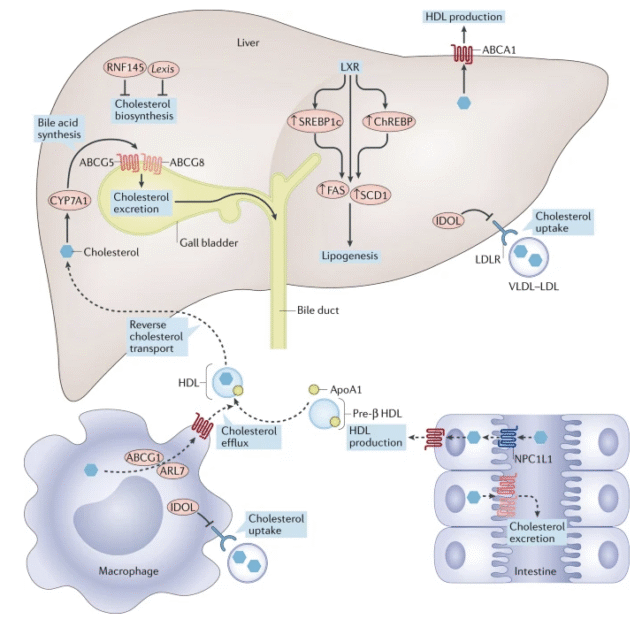
Developing a compound active only in the liver and gut was the key. TLC-2716 worked, in part, because it didn't affect liver X receptors elsewhere in the body.
This was confirmed before the trial commenced, in animal models and toxicology studies, and with "intensive sampling" for several days after the first, low doses were administered to trial participants.
The compound slowed fat synthesis in the liver and the absorption of dietary fat, and increased fat clearance from circulation, the authors report.
Related: New Drug Lowers 'Bad' Cholesterol by 58% in Clinical Trial
While the results are promising, TLC-2716 is still in the earliest phases of clinical testing. The next step involves longer trials giving the drug to overweight and obese individuals with poor lipid profiles: those who have hypertriglyceridemia (too much triglyceride in the blood) and MASLD (too much fat in the liver).
The researchers are encouraged by their trial data from healthy volunteers, which suggest that TLC-2716 may have greater benefits in individuals with higher lipid levels, yet they note these preliminary findings "must be interpreted cautiously".
At least for now, the "consistent metabolic benefits" seen in the phase 1 trial and across animal studies support further clinical testing to see whether TLC-2716 could help treat cardiometabolic diseases.
The study is published in Nature Medicine.