This week in science: a major cancer analysis links most new cases to just two lifestyle habits; how poop transplants from the young could rejuvenate aging guts; a surprising new factor in kidney stone formation; and much more!
Most Preventable Cancers Are Linked to Just Two Lifestyle Habits
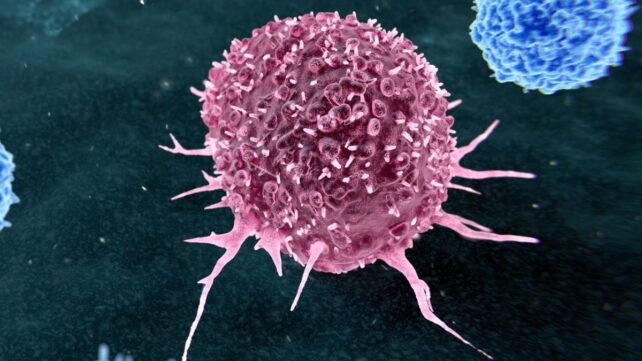
A new analysis from WHO has linked 38 percnet of cancer cases to preventable factors. Smoking was the primary driver, linked to 15 percent of cases.
After tobacco smoking, the runner-up among changeable lifestyle factors was drinking alcohol. It accounted for 3.2 percent of all new cancer cases (approximately 700,000 cases).
Read the full story here.
Painful Side Effect of Statins Explained After Decades of Mystery

Scientists have solved the mystery of a common side effect of statins: muscle pain. The drug causes calcium ions to rush into muscle cells.
The researchers highlight two promising options. The first is to redesign statins so they don't bind to the wrong target but still inhibit cholesterol production in the liver.
Alternatively, when the researchers treated statin-intolerant mice with Rycal, an experimental class of drug used to treat patients with rare muscle diseases, they were able to close the leaky calcium gates and prevent muscle weakness.
Read the full story here.
Poop From Young Donors Reverses Age-Related Decline in The Guts of Older Mice
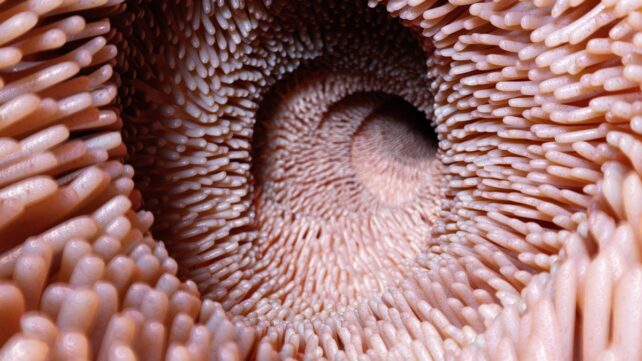
A new study found giving old mice poop from young mice boosted stem cells in their intestines, reversing age-related decline in their gut health.
"As we age, the constant replacement of intestinal tissue slows down, making us more susceptible to gut-related conditions," says molecular biologist Hartmut Geiger of Ulm University in Germany.
"Our findings show that younger microbiota can prompt older intestine to heal faster and function more like younger intestine."
Read the full story here.
Confirmed: NASA's Crewed Moon Mission Delayed After Fuel Leaks

NASA has delayed the launch of Artemis II – its next crewed Moon mission – until March, after a fuel leak during a dress rehearsal.

Officials said the month-long delay will allow the launch team to conduct another fueling test before committing the four astronauts – three US and one Canadian – to a lunar fly-around. It's too soon to know when the countdown dress rehearsal might be repeated.
Read the full story here.
Cholesterol Levels Slashed by 60% in Promising New Pill Trial
In a year-long clinical trial, a pill called enlicitide has been found to reduce 'bad' cholesterol by up to 60 percent in high-risk patients.
The FDA has added the drug to a program promising ultra-fast reviews.
Read the full story here.
Surprising Find Inside Kidney Stones Suggests We Were Wrong About How They Form
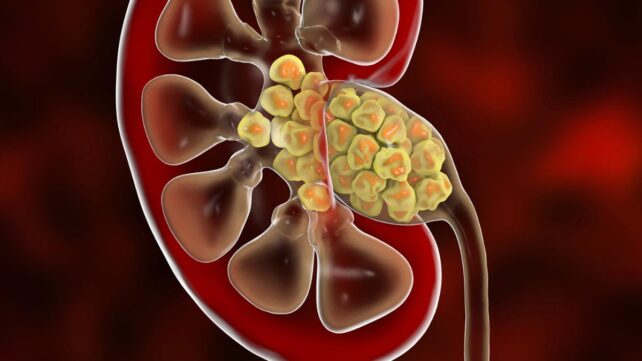
Bacteria have been discovered inside kidney stones for the first time, suggesting they play a previously unknown role in stone formation.
"This breakthrough challenges the long-held assumption that these stones develop solely through chemical and physical processes, and instead shows that bacteria can reside inside stones and may actively contribute to their formation," explains urologist Kymora Scotland from UCLA.
Read the full story here.