This week in science: A study finds a surprising bonus benefit of the keto diet; CERN discovers a new particle; a worrying trend uncovered in US life expectancy data; and much more!
Keto Diet May Have a Surprising Bonus Benefit, Mouse Study Suggests

Scientists have found an unexpected bonus benefit of the high-fat, low-carb keto diet: It could help muscles respond better to exercise.
"Over time, the diet caused remodeling of the mice's muscles, making them more oxidative and making them react better to aerobic exercise," says physiologist Sarah Lessard, from Virginia Tech Carilion.
Read the full story here.
CERN Discovers New Particle After Upgrading Large Hadron Collider
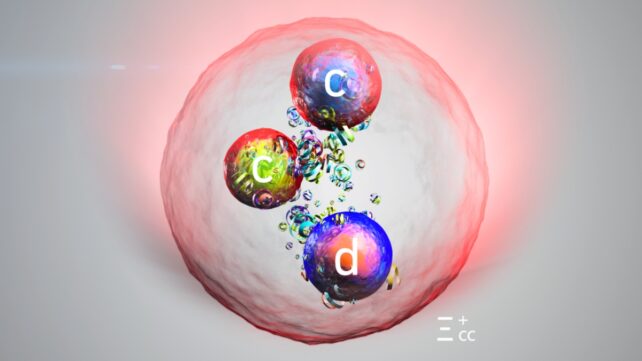
CERN has discovered a new particle after upgrading the Large Hadron Collider. Known as Xi-cc-plus, it's like a proton but four times heavier.
It is "the first new particle identified after the upgrades to the LHCb detector that were completed in 2023," said spokesman Vincenzo Vagnoni in a statement.
Read the full story here.
Study Reveals a 'Turning Point' in US Life Expectancy
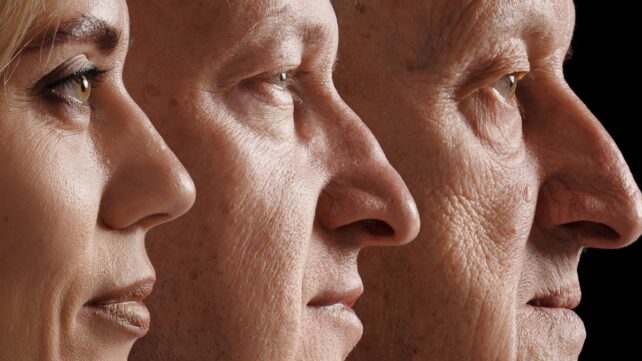
A study of life expectancy in the US has found that people born between 1970 and 1985 have worse mortality rates than earlier generations.
"These cohorts are trending worse than their predecessors in all-cause mortality; deaths from cardiovascular disease and cancer, especially colon cancer; and external causes," says social epidemiologist Leah Abrams, from Tufts University in the US.
Read the full story here.
Asteroid Reveals The 5 Key Genetic Ingredients For Life on Earth
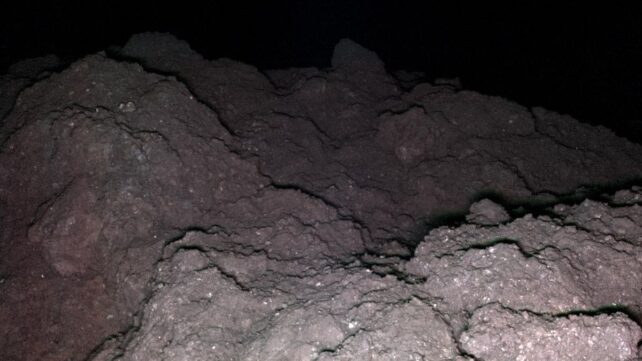
All five of the basic building blocks of life, which make up DNA and RNA, have been detected in the asteroid Ryugu, scientists report.

"The detection of diverse nucleobases in asteroid and meteorite materials demonstrates their widespread presence throughout the Solar System, and reinforces the hypothesis that carbonaceous asteroids contributed to the prebiotic chemical inventory of early Earth," the researchers write.
Read the full story here.
Scientists Found a T. Rex Tooth Embedded in Another Dinosaur's Skull
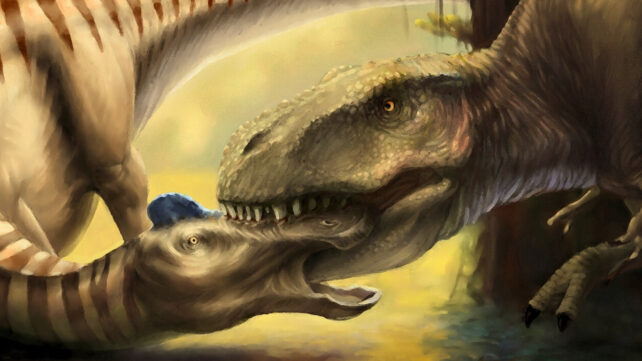
A T. rex tooth has been found lodged in the skull of an Edmontosaurus, which also bore other marks indicating it had been eaten.
"To have direct fossil evidence that a dinosaur had likely been killed and then eaten, and to be able to say it was a Tyrannosaurus that killed it, is exceptionally rare. A fossil like this gives us an important glimpse into the potential hunting behaviours of large carnivorous dinosaurs," writes paleontologist Taia Wyenberg-Henzler.
Read the full story here.
Exercise Triggers Memory-Related 'Brain Ripples', Study Finds
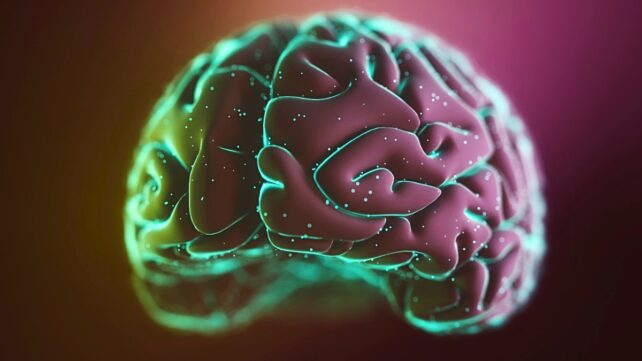
Exercise sends 'ripples' of activity through brain regions associated with learning and memory, according to a new EEG study.
"By directly recording brain activity, our study shows, for the first time in humans, that even a single bout of exercise can rapidly alter the neural rhythms and brain networks involved in memory and cognitive function," says Michelle Voss, a cognitive neuroscientist at the University of Iowa.
Read the full story here.