
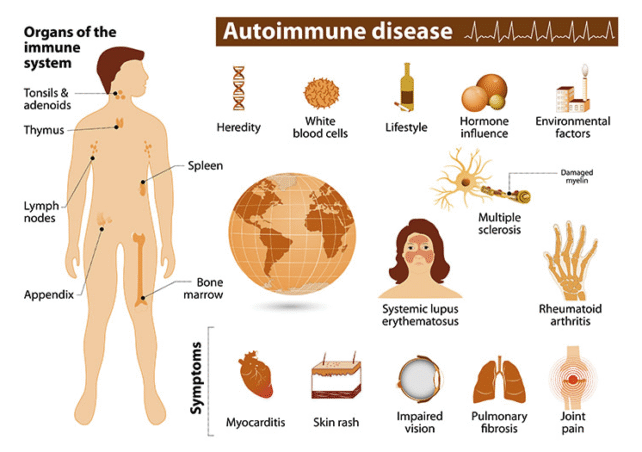
Autoimmune diseases, where the body's own immune system mistakenly goes on the attack, are much more common in women – and a new study analyzing more than 1.25 million blood cells goes a long way to explaining why.
The analysis, led by a team from the Garvan Institute of Medical Research in Australia, revealed over 1,000 genetic 'switches' in immune cells that work differently depending on sex.
In short, these variations in gene activity mean that inflammatory pathways that respond to threats are likely to be busier in women, leading to a greater risk of conditions like lupus and multiple sclerosis.
"Our findings show that the immune system needs to be studied with sex in mind," says computational biologist Seyhan Yazar, from the Garvan Institute.
"Even though we know men's and women's immune systems differ, many studies still overlook these differences, which can limit how well we understand disease, and in turn bias treatment options."
Blood samples were drawn from 982 study participants, 564 females and 418 males.
Next, the researchers used single-cell RNA sequencing – a precise measure of gene activity – to look at peripheral blood mononuclear cells (PBMCs). These are immune cells that circulate in the blood, including different types of white blood cells.
It's the first time that differences in immune cells have been studied at this level of detail; the researchers profiled individual cells, rather than averaging gene activity across a mixture of cells.
Males and females were found to have different mixes of immune cells: Men had more 'first responder' monocyte immune cells, with genetic coding focused on the basics of maintenance, repair, and building.
Women had higher levels of B and T cells in their immune systems, indicating a more adaptive and specialized protection force. Genetically, these cells were coded to be on high alert and ready for action.

Being on high alert means female immune systems are likely better at dealing with foreign invaders – but it also increases the chances of healthy tissue being attacked by mistake.
That rationale has surfaced from previous research into sex-dependent genetic cues and other factors, such as antibodies and hormones, but this new work reveals baseline genetic differences driving immune responses on a single-cell level.
"Having shown that female-biased genes are heavily enriched in inflammatory pathways, we now have another biological rationale for why the immune system can more easily mistakenly attack the body's own tissues in women," says bioinformatician Sara Ballouz, from the University of New South Wales in Australia.
"While this highly reactive immune profile gives females an advantage in fighting viral infections, it comes with a biological trade-off: a greater predisposition to autoimmune diseases.
"On the other hand, male immune cells are less primed for inflammation, making men generally more susceptible to infections and non-reproductive cancers."
The genetic 'switches' underpinning this cell activity, called expression quantitative trait loci, were found in some surprising places: not just the X and Y chromosomes that distinguish the sexes, but also on autosomes (chromosomes shared between sexes).
To further establish the autoimmune connection, two specific gene switches dialed up in females were found for the FCGR3A and ITGB2 genes – genes previously linked to systemic lupus erythematosus, which is much more common in women.
As well as improving our understanding of autoimmune diseases and why they strike women more often, the findings will also be helpful in developing tailored treatments for these diseases.
For conditions such as lupus, one-size-fits-all medications are usually prescribed to try to dampen inflammation. Given everything we know about the biological differences between men and women, those treatments will potentially be much more effective if they're targeted more precisely.
Related: Women Face Much Higher MS Risk. A New Discovery May Help Explain Why
"If we want to realize the potential of precision medicine, we have to understand these fundamental biological variables," says statistical geneticist Joseph Powell, from the Garvan Institute.
"Treatments need to be tailored not just to the disease, but to how a patient's immune system operates at a baseline genetic level."
The research has been published in The American Journal of Human Genetics.