
This Week in Science: human remains found in an ancient, giant jar; a new member of the self-recognition club; new clues to why 90 percent of us are right-handed; and much more!
Archaeologists Excavated a Giant Stone Jar And Found a Grim Surprise

Archaeologists have excavated a giant stone jar in Laos and found human remains belonging to around 37 people, deposited over 270 years.
"The number of individuals also suggests the jars were owned by family or extended family groups. They likely served as places where ancestral rites were performed over generations," says archaeologist Nicholas Skopal of James Cook University in Australia.
Read the full story here.
A Signal of Cognitive Decline May Be Hidden in The Way You Write

A person's handwriting could reveal signs of cognitive decline. New tests linked distinct patterns to early impairment in older adults.
"Timing and stroke organization are closely linked to how the brain plans and executes actions, which depends on working memory and executive control," says kinesiologist Ana Rita Matias from the University of Évora.
"As these cognitive systems decline, writing becomes slower, more fragmented, and less coordinated."
Read the full story here.
Humans in The Andes Have Evolved a Strange Digestive Superpower
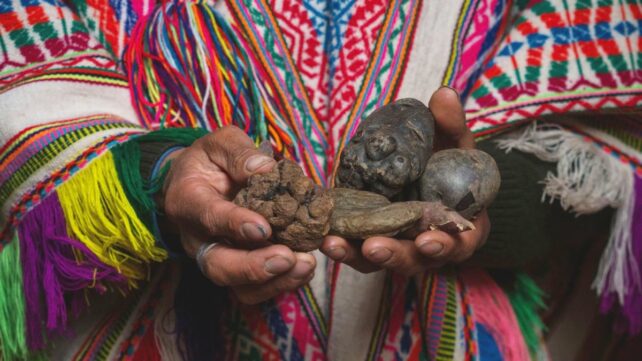
A genetic adaptation to better digest starch in potatoes has been identified in people from the Peruvian Andes.

Potato domestication in the Andes began around 10,000 to 6,000 years ago – a timing that aligns with an increase in the number of copies of the gene, which aids potato digestion.
Read the full story here.
A Beluga Whale Showed a Sign of Intelligence Once Thought Unique to Humans

A beluga whale has passed the mirror test, joining a very select club of animals that can demonstrate a form of self-recognition.
"Natasha passed the mark test by orienting the marked area of her body, the area behind her right ear, towards the mirror while exhibiting a rich suite of self-directed behaviors," the researchers explain.
Read the full story here.
Scientists Gave People Wings in VR, And It Triggered Changes in The Brain

Scientists gave people wings in virtual reality, and their brains soon started shifting patterns, mentally processing the wings like limbs.
That the brain shifted in its processing patterns is evidence that it has an inherent plasticity that's able to cope with changes like this – a plasticity which could potentially be used to learn how to operate new limbs, and adapt to new ways of moving.
Read the full story here.
Two Ancient Clues May Finally Explain Why 90% of Us Are Right-Handed
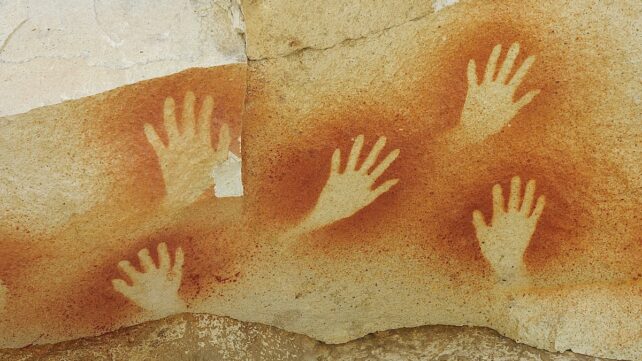
The reason 90 percent of us are right-handed could date back to when our ancestors started walking on two legs and evolved a bigger brain.
That means it's not just Homo sapiens with a preference. The team estimated that Neanderthals were also mostly righties, and the farther away you get from us on the family tree, the weaker the preference generally gets.
Read the full story here.