
We can't make our own vitamin C, so we need to imbibe enough of this essential nutrient through our diets.
Through our bodies it flows, from the stomach, into the blood, and up to the brain.
Past studies have hinted at how important vitamin C is to brain function. It concentrates in brain tissue, with the cerebrospinal fluid that bathes the brain containing twice as much vitamin C as blood.
A decent vitamin C intake has also been linked to a lower risk of developing Alzheimer's disease.
Now, new research tells us something more about how vitamin C may lead to better brain health in later years.
We know that vitamin C is an antioxidant and is involved in a flurry of chemical reactions in our bodies. But we don't know much about how levels of vitamin C in the blood (which is more easily sampled) might relate to brain health.
To get some more clarity, researchers at Hirosaki University in Japan took blood samples from 2,044 volunteers with a median age of 69, and studied how levels of vitamin C in those samples matched up to certain features on brain scans.
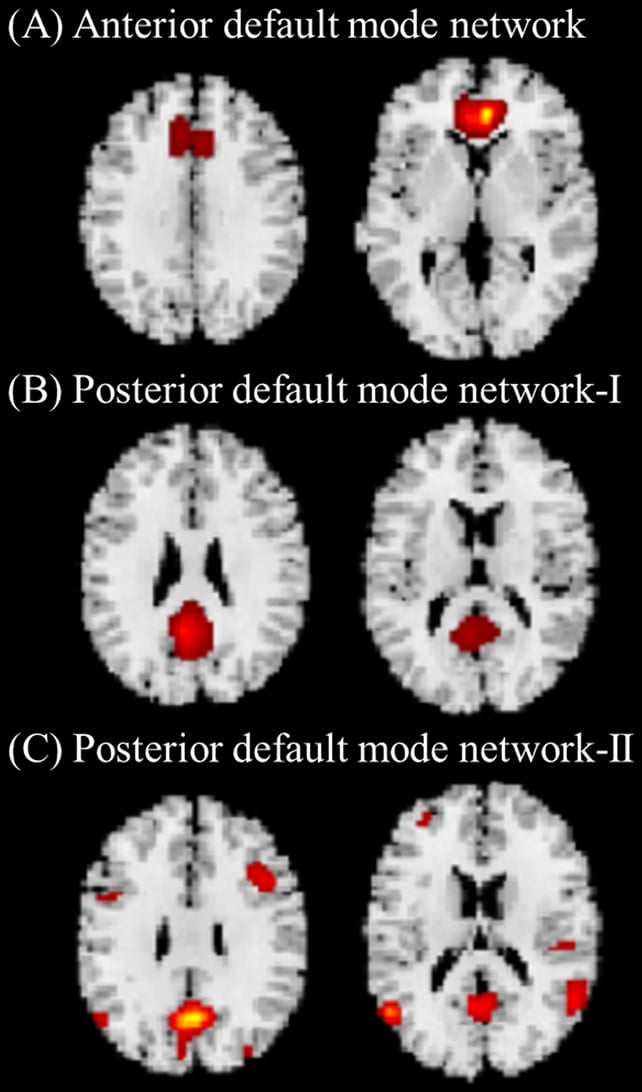
They were particularly interested in a key brain circuit called the default mode network (DMN) that ticks away quietly, connecting many parts of the brain, even when you think you're doing nothing.
A loosening of the DMN has also been linked to cognitive decline, so the researchers wanted to see how tight those connections were among elderly Japanese people.

There was a clear relationship across the participants in the study: More vitamin C in the blood was associated with a higher volume of gray matter, the brain tissue that handles memory, movement and emotion.
Higher vitamin C levels also correlated with stronger connectivity in the DMN.
This was just a one-time assessment though, so it doesn't prove that vitamin C directly affected those brain connections. Rather, it suggests that vitamin C may have a role in keeping brains healthy – and maybe, at a stretch, help ward off dementia.
"This finding generates the exciting hypothesis that a diet rich in vitamin C might play a supportive role in maintaining brain health and mitigating age-related cognitive decline in older adults," says radiologist Tomohiro Shintaku, from Hirosaki University.
The DMN links several important brain regions, including the ventromedial prefrontal cortex near the front of our brain (linked to processing risk, fear, and emotions), and the posterior cingulate cortex at the center (involved with memory and motor control).
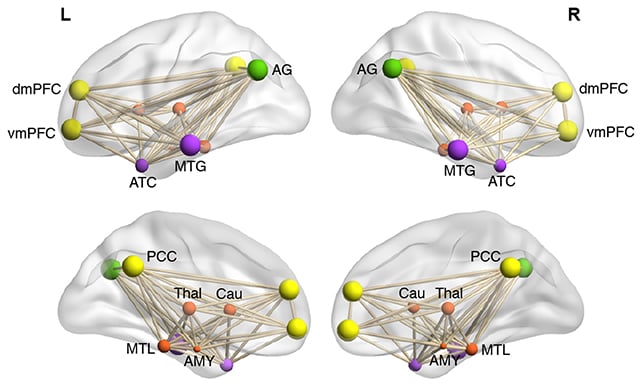
As a whole, the DMN has been associated with a host of different cognitive functions, covering what we remember about ourselves and how we refer to ourselves, thinking about the future, and controlling our attention.
Past studies have found that people with Alzheimer's disease, Parkinson's disease, and depression tend to have weaker, less well-connected DMN.
There's a lot more research required to look into these relationships in more detail, but the implication is that a healthy amount of vitamin C could help keep the DMN running more smoothly, and ward off some of these brain health disorders.
"To the best of our knowledge, this is the first study to demonstrate the association between plasma vitamin C levels and DMN connectivity," write the researchers in their published paper.
In their analysis, the researchers adjusted for several factors that may also impact brain health, including age, sex, and health conditions such as high blood pressure.
But they want to see whether they can replicate their findings in longitudinal studies that track people over several years, and in more diverse groups. That will help us understand if the associations found here, in relatively elderly people living in Japan, apply to other populations or age groups.
Even so, it's another reason to think about getting more vitamin C into your diet. It's found not just in oranges, the best-known source, but in many other fruits and vegetables.

Previous studies have linked optimal levels of vitamin C to a stronger immune system – but it doesn't do much for the common cold.
Suggestions that it may also protect against air pollution, be the secret to younger-looking skin – or boost brain health – may not be so clear-cut.
These associations are certainly worth exploring, and in the meantime, are a reminder of the benefits of eating a well-rounded diet while scientists dig into the details.
Related: A Small Part of Your Brain May Still Be Listening Under Anesthesia
"What I found most fascinating about this research is that we were able to detect these subtle but significant associations between a single nutritional factor and large-scale brain networks by utilizing a robust, community-based cohort of over 2,000 older adults," says Shintaku.
"It truly highlights the potential impact of our everyday dietary habits on our brain structures."
The research has been published in PLOS One.