
It might not be something you think about all that often, but at any given moment, your body is busily digesting all the food you've recently consumed.
That delicious pizza you ate last night? The nutrients from it are being harvested for energy to fuel your body, and whatever can't be utilized is slowly being converted into poop – the waste matter destined to exit your system.
The amount of time this process takes can vary a lot between individuals, and the timing may matter more than you think.
In fact, research suggests the duration of your 'gut transit time' could ultimately have significant implications for your health.
In a paper published in 2023 in Gut, a team of researchers from Denmark and Belgium reviewed scientific studies on gut transit time, finding it to be a vastly overlooked element influencing the make-up of people's gut microbiomes, which in turn may affect health and disease risk.
"Accumulating evidence indicates that gut transit time is a key factor in shaping the gut microbiota composition and activity, which are linked to human health," the researchers explained in their review, led by senior author and microbiome researcher Henrik Roager from the University of Copenhagen in Denmark.
"Both population-wide and small-scale studies have identified transit time as a top covariate contributing to the large interindividual variation in the fecal microbiota composition. Despite this, transit time is still rarely being considered in the field of the human gut microbiome."
In their review, which analyzed dozens of published studies, the researchers explain that a great variety of factors can affect people's gut transit time.
These factors include the kinds of diets people eat and the ingredients in their food, but also their sex (gut transit time is generally shorter in men) and age (in older people the transit usually takes longer).
Physical activity, stress, medication, and genetics are all thought to influence gut transit time too, which can also vary within individuals.
These variations may add up, creating conditions where either sustained prolonged or shortened gut transit times might have knock-on consequences for people's health, the researchers say.
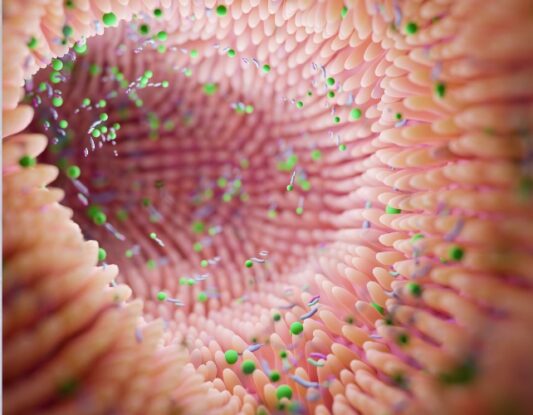
In terms of gastrointestinal diseases, slow transit times could develop into overgrowth of bacteria in the small intestine, which is prevalent in patients with irritable bowel syndrome (IBS), a condition which the researchers say could be linked to transit times.
Inflammatory bowel disease (IBD), which is often associated with diarrhea and/or constipation, could also be influenced.
"Both constipation and IBD are risk factors for the development of colon cancer, which is the third most common cause of cancer worldwide," the researchers write.
"Colon cancer is, among other lifestyle factors, associated with Western-type diets and prolonged gut transit time, both of which can lead to an altered bile acid pool."

The impacts could reach far beyond the gut, with the researchers noting that constipation and altered bowel habits are also linked to neurological diseases, including Parkinson's disease, Alzheimer's, and multiple sclerosis.
While many of the causal mechanisms remain hypothetical, the researchers say slower transit times could result in gut microbes running out of carbohydrates to break down, leading to excess production of potentially harmful compounds, along with reduced production of beneficial short-chain fatty acids.
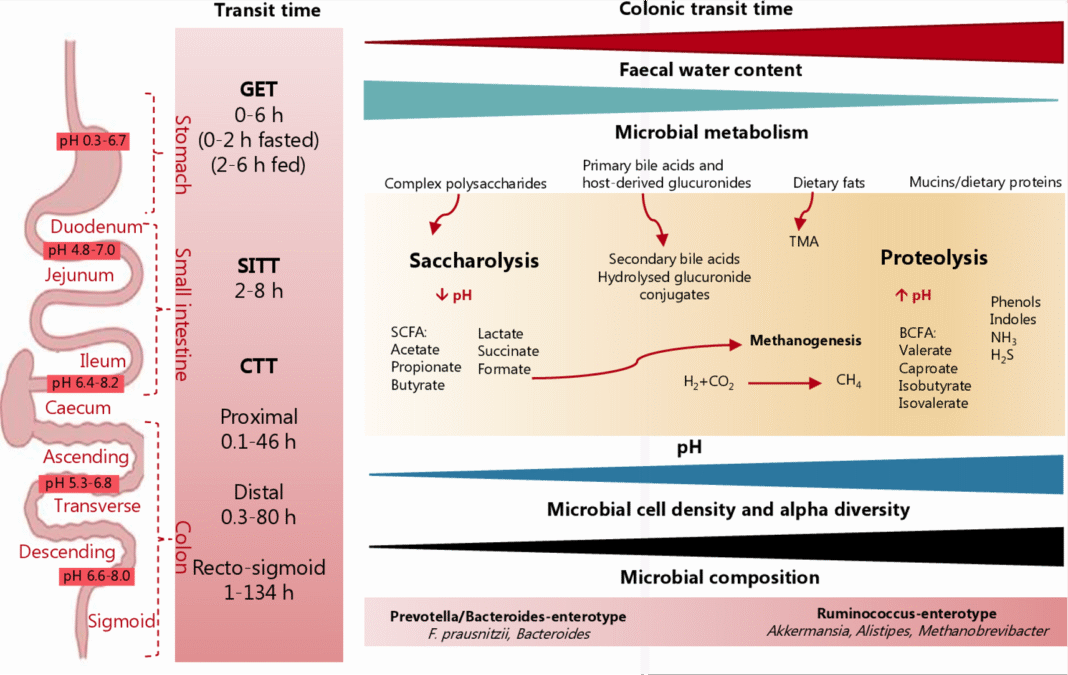
"When transit slows, fermentable carbohydrates become depleted before stool reaches the distal colon, and bacteria switch from fermenting carbohydrates into healthful short-chain fatty acids to fermenting proteins instead," colorectal surgeon Ketan Thanki from the Long Beach Medical Center in California, who wasn't involved with the study, explained to Healthline.
"This produces metabolites – ammonia, hydrogen sulfide, phenols, indoles, and branched-chain fatty acids – that are directly toxic to colonocytes, damage colonocyte DNA, cause cancer-causing mutations, and promote a leaky gut lining, thereby promoting systemic inflammation."
The study doesn't definitively conclude why long or short gut transit times are inherently good or bad for us, but rather suggests that researchers haven't yet begun to fully grasp how consequential gut transit times might be when it comes to health and disease, highlighting an important opportunity for future research.
Related: There Is a Universal Law in The Shape of All Poop, Physicists Reveal
"By including gut transit time measurements in gut microbiome-related studies, we can advance our understanding of the links between the gut microbiome, diet and disease," the researchers conclude.
"Such insights may be key for the prevention, diagnosis and treatment of several diseases in the gut and beyond throughout the lifespan."
The findings are reported in Gut.
This article was fact-checked by Clare Watson and edited by Clare Watson. While we pride ourselves on our process, we are only human. If you spot a mistake, please let us know.