Youth isn't enough to protect your heart.
Last year, researchers examining a cohort of young adults in the US made an "ominous" observation.
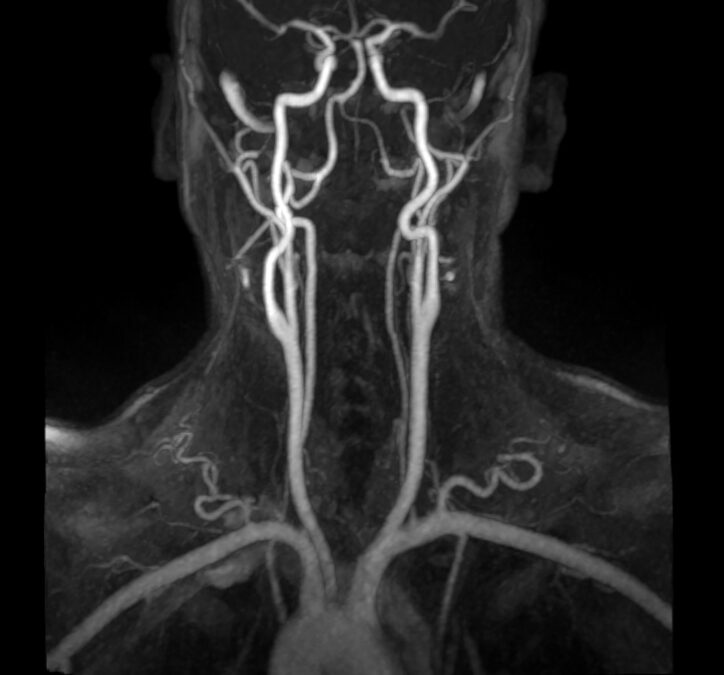
When they imaged and measured the carotid arteries of more than a thousand young participants, they noticed signs of subclinical injury.
Some markers of arterial thickness were what would be expected in a 33-year-old.
The average age of the participants was 23.
Now, a follow-up study on that same cohort may explain why these potential injuries are occurring in adults under 30.
The research, published in Circulation: Population Health and Outcomes, found that out of 1,283 young adults, as many as 80 percent of participants were classified as having cardiovascular-kidney-metabolic (CKM) syndrome.
The more advanced their stage of CKM, the more likely participants were to show signs of injury to the carotid arteries, which carry oxygenated blood to the brain.
The finding is concerning, and may explain why cases of cardiovascular, metabolic, and kidney disorders are on the rise in younger cohorts.
But these particular participants are not representative of all young people in the United States. The study focused on urban populations, and many participants came from disadvantaged backgrounds.
"Diet and physical activity scores were especially poor," the study authors noted.
This puts participants at a higher risk of CKM.
If you've never heard of this syndrome before, you're not alone. Last year, a US national survey found that 90 percent of respondents hadn't heard of CKM, either.

CKM was first defined by the American Heart Association (AHA) in 2023, and only just this year did the AHA and the American College of Cardiology publish the first clinical guidelines for preventing and managing the syndrome.
CKM is a syndrome that explains how metabolic, kidney, and cardiovascular disorders can all work together to contribute to multiorgan complications and dangerous cardiovascular outcomes.
"Heart, kidney, and metabolic conditions don't occur in isolation – they are deeply connected," Chiadi Ndumele, a cardiologist at Johns Hopkins School of Medicine, explained when the guidelines were published.
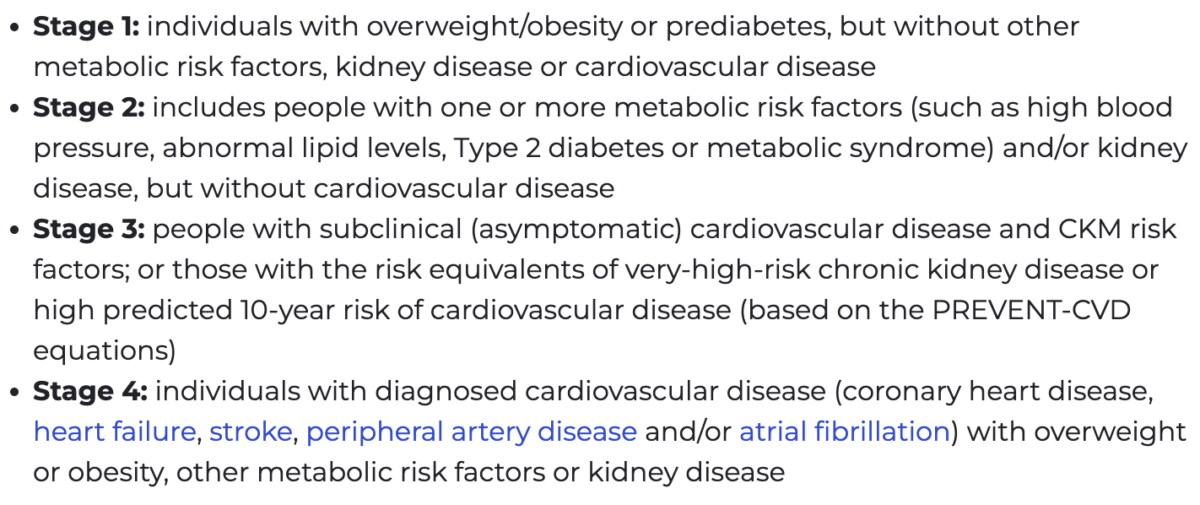
The stages of CKM go from risk factors like prediabetes or excess fat to risk factors for metabolic disorders, kidney disorders, and, finally, cardiovascular disease.
None of the young adult participants in the current study were diagnosed with that final stage of CKM. But some were further along the spectrum than others.
This means they had more overall risk factors for developing chronic kidney disease or cardiovascular disease, such as coronary heart disease, heart failure, or stroke.
Of all 1,283 participants, 40 percent were classified as stage 1 CKM, 36 percent were classified as stage 2, and 2.8 percent were classified as stage 3.
A diagnosis of CKM doesn't mean that these participants are doomed, but it does suggest they are on a risky path.
It's not something young people can afford to ignore, argues co-author and cardiologist Nilay Shah from Northwestern University.
"So many of the components of CKM are starting to affect people at younger ages – as early as young adulthood, or even adolescence," Shah explained at the end of last year.
In the recent CKM study, young adults had their risk factors measured using "Life's Essential 8 scores", a composite metric that includes diet quality, physical activity, sleep, nicotine exposure, body mass index, blood sugar levels, blood lipids, and blood pressure.
Managing these factors is known to reduce the risk of heart disease and support kidney and metabolic health.

Similar to a score on Life's Essential 8, the hope is that CKM stages will also help identify those at risk of future disease, and any risk factors that can be treated or modified.
The progression of CKM may be reversible with the right health interventions, such as improving diet, increasing exercise, or taking drugs to boost metabolism.
Related: Major Study Links 99% of Heart Attacks And Strokes With 4 Risk Factors
"Although many young adults may not yet have clinically elevated risk factor levels, …many still present opportunities for risk factor optimization through lifestyle and behavioral modification," the study authors conclude.
Youth doesn't last forever, and our health when we are young can shape our future. It's never too early to start.
The study is published in Circulation: Population Health and Outcomes.
This article was fact-checked by Clare Watson and edited by Clare Watson. While we pride ourselves on our process, we are only human. If you spot a mistake, please let us know.