
You've probably heard of type 1 and type 2 diabetes, but did you know there's possibly a third option as well?
For just over two decades now, some scientists have argued that type 3 diabetes is an apt title for what happens in some cases of Alzheimer's.
Not all types of dementia are the same, but emerging evidence suggests that in at least some cases, impaired insulin signaling could be a form of neurodegeneration.
This specific metabolic issue may starve some brain cells of the energy they need to function, and that may ultimately lead to cognitive decline.
Today, type 3 diabetes is an unofficial term for Alzheimer's, not a clinical diagnosis. But the idea is gaining traction.

Increasingly, evidence suggests that poorly controlled blood sugar may increase the risk of developing Alzheimer's.
In fact, impaired glucose or sugar metabolism tends to be one of the first changes detected among patients.
"This relationship is so strong that some have called Alzheimer's "diabetes of the brain" or "type 3 diabetes"," explained a 2020 review on the topic.
"While the specific mechanisms between AD and all forms of diabetes remain convoluted and unclear," the review added, "type 3 diabetes has the potential to provide a plethora of proactive and therapeutic strategies to current patients."
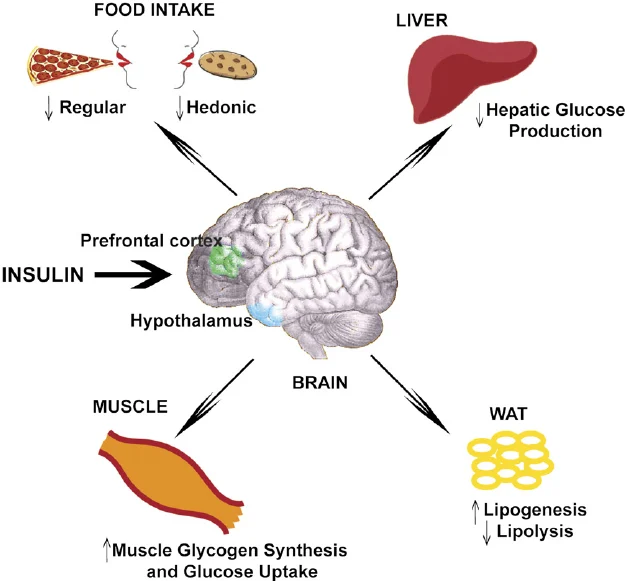
Insulin is a natural hormone used by the body to manage blood sugar levels. But as it turns out, it isn't just made by the pancreas.
The brain also makes insulin, and yet many experts, even those who research diabetes, remain unaware of that fact.
Where this hormone is produced in the brain and what it actually does is still coming to light.
In 2020, a study among mice found that insulin is made and released from several stress-sensing neurons in the hypothalamus.
In the human brain, this region also shows the highest insulin levels.
The hypothalamus is closely involved in thinking, memory, and learning, and it is a major target for Alzheimer's research.
If diabetes of the brain turns out to be a real clinical disorder, then the hypothalamus may be the region that suffers most.
But we need more direct evidence of these insulin issues in neural tissue.
In a recent postmortem study of patients who died with dementia, researchers at Cornell University found "massive" metabolic changes throughout the brain's tissue.
"We saw metabolic changes linked to cellular energy, glucose metabolism, inflammation and fatty acids, all of which have been previously implicated in Alzheimer's disease," said Jan Krumsiek, assistant professor of computational genomics, in 2022.
What's more, this year, a postmortem study of three patients who died with Alzheimer's found brain tissue with more 'sugar decorations' than in healthy controls.
These sugary deposits indicate disrupted energy control in the brain, possibly linked to insulin.
Type 1 diabetes is an immune disease that impacts insulin-producing cells, but type 3 diabetes appears to be an issue with glucose usage.
Some recent evidence suggests that in cases of dementia, brain cells lose the ability to handle glucose properly.
Similar to type 2 diabetes, these cells may show issues with insulin resistance, which helps regulate glucose levels.
This mix between insulin resistance and a poor use of glucose is the very foundation behind type 3 diabetes.
A 2025 review recently explained that type 3 diabetes is not a clinical diagnosis but a conceptual framework to better understand how some forms of dementia are related to metabolism.
Alzheimer's is increasingly associated with metabolic dysfunction, particularly insulin resistance, and this could impair neuronal signaling and energy metabolism.
"This hypothesis has gained traction because epidemiological studies have observed an increased incidence of dementia, particularly Alzheimer's disease, among individuals with diabetes," the review explains.
Some researchers are critical of the term type 3 diabetes. They argue that there is insufficient evidence to definitively categorize Alzheimer's as a form of diabetes.
Plus, they think it oversimplifies Alzheimer's, which is probably an umbrella term for a diversity of different disease types.
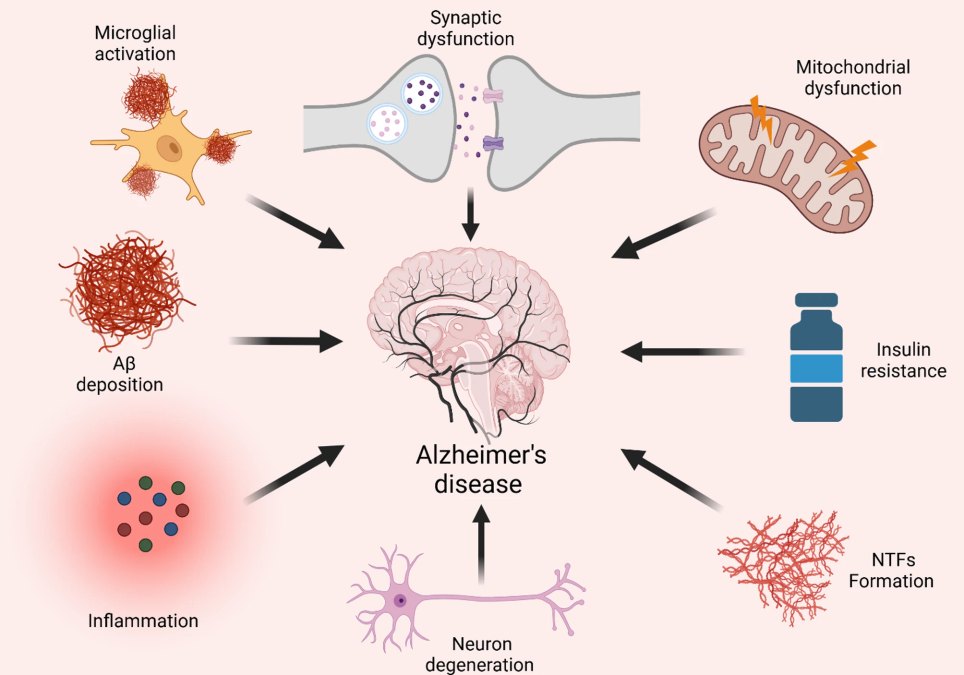
Both of those critiques could be true, and yet even still, the authors of the recent review argue that type 3 diabetes "represents a critical area of research, linking metabolic dysfunction with neurodegeneration."
The prevalence of dementia can reach 24 percent in diabetic individuals over the age of 75, according to some estimates.
That's an association that deserves further investigation.
"Recognizing [type 3 diabetes] as a distinct clinical entity could transform the diagnosis and treatment of [Alzheimer's disease]," the 2025 review argues.
Stay tuned.
This article was fact-checked by Fiona MacDonald and edited by Fiona MacDonald. While we pride ourselves on our process, we are only human. If you spot a mistake, please let us know.