
Small cell lung cancer (SCLC) is a particularly aggressive and deadly disease: fewer than 7 in 100 people survive it for five years.
One of the tricks SCLC uses to persist and to evade treatments is to hide itself from the immune system. Now, an international team of researchers has found a way of removing that disguise and making SCLC more vulnerable.
The crucial component of the new approach is a type of immune cell called gamma delta T cells.
In a new study published in Cancer Cell, the research team found that these immune cells could effectively kill off SCLC cells in the lab – and their effectiveness was significantly enhanced when combined with two other existing drugs.
"These cells may offer an alternative immune attack route for tumors that are able to evade conventional cancer-fighting immune cells, opening up new possibilities for treating a cancer that has seen few advances over the past decades," says molecular biologist Kate Sutherland, from the Walter and Eliza Hall Institute of Medical Research (WEHI) in Australia.
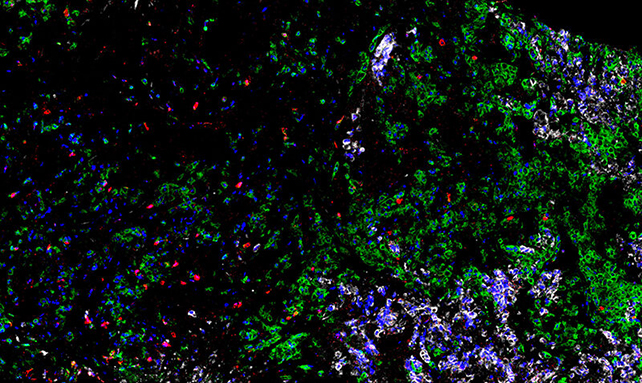
Two previous, significant clinical trials, IMpower133 and CASPIAN, put the researchers on the trail of gamma delta T cells.
These trials tested immunotherapy approaches to SCLC, and after analyzing the collated data, the researchers found that patients with signs of more gamma delta T cells responded better to treatments.
"Strikingly, patients whose tumors contained more of these specialized immune cells often had better treatment outcomes," says Sutherland.
"This is the strongest evidence yet that gamma delta T cells are present in small cell lung cancers and appear capable of fighting the disease."
The team then ran their own tests on SCLC cells in the lab. While gamma delta T cells were reasonably effective cancer killers on their own, adding in the existing cancer drug tarlatamab caught many more of the cancer cells, bringing the immune cells into closer contact with their targets.

Gamma delta T cells were also shown to be better cancer fighters when combined with zoledronate, a drug already approved for osteoporosis and cancer-related bone disease.
Zoledronate boosted the numbers of immune cells, as well as helping them see through the 'disguise' that SCLC usually relies on.
In some cases, it may eventually be possible to use a patient's existing gamma delta T cells to grow more of them outside the body, and then add them back to bolster the attack forces taking on SCLC.
"For patients with lower gamma delta T cell levels, therapies such as zoledronate may offer a way to boost their cancer-fighting immune cells and responsiveness to treatments," says Jin Ng, from WEHI.
"As therapies that expand and reinfuse gamma delta T cells already exist, our findings raise the exciting possibility of rapidly translating this discovery into new treatment strategies."
There's plenty of work ahead to develop therapies based on these findings, and any resulting treatments won't be effective in every cancer case. However, they could offer a powerful new anti-cancer drug option for many people with this stubborn kind of cancer.
The study also suggests that the amount of gamma delta T cells already in tumors, as well as the presence of a molecule called BTN2A1 – which acts as a sort of target marker for the immune cells – could help predict how well someone responds to immunotherapy. The researchers want to explore the possibility.
Taking the research further will involve moving from lab tests to animal models, and eventually clinical trials with actual cancer patients, which should tell us much more about the potential of gamma delta T cells as weapons against SCLC.
"For decades, we've known that small cell lung cancer is exceptionally good at hiding from the immune system," says Sutherland.
"We've found an immune cell that appears to be able to see through that disguise."
The research has been published in Cancer Cell.
This article was fact-checked by Rebecca Dyer and edited by Rebecca Dyer. While we pride ourselves on our process, we are only human. If you spot a mistake, please let us know.