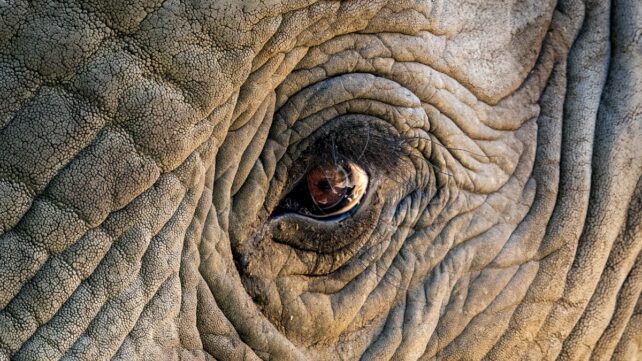
Which footprint is bigger? An elephant's or a human's?
It depends on how you measure it.
As humanity leaves its mark on more of the African savanna, we are increasingly stepping on the toes of wild elephants.
Researchers in the United States and Namibia are now warning that a 'turf war' is afoot.
In Namibia, Botswana, and portions of Angola and Zambia, the rapid overhaul of wild land over the past two decades has brought humans and elephants into ever more conflict.
It's endangering both us and them.
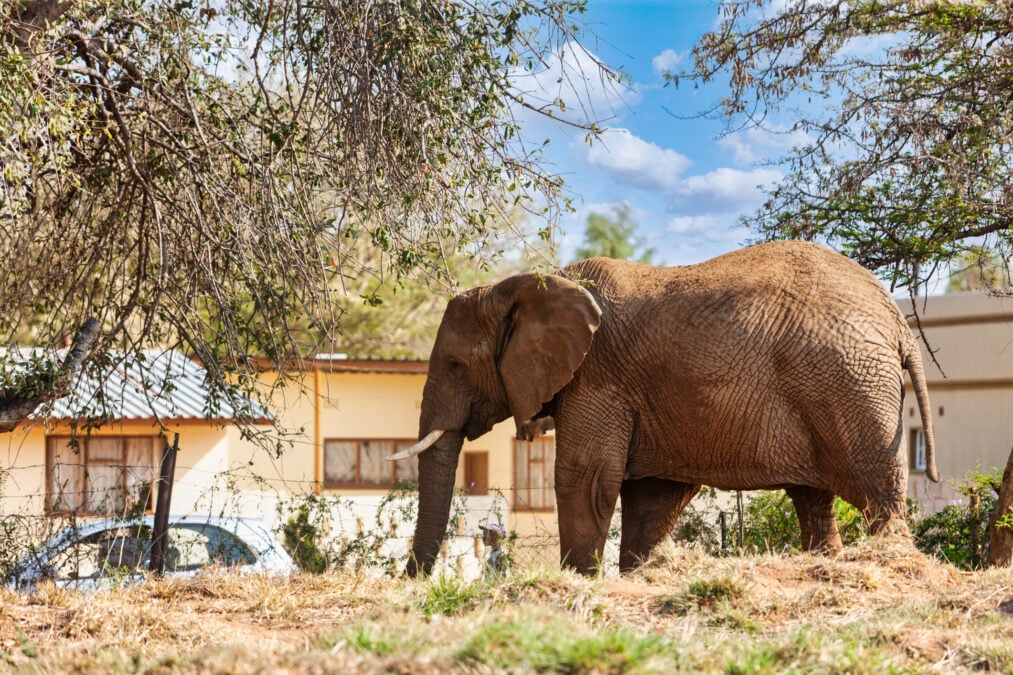
Using public records, researchers have identified three major factors driving the increase in human-elephant conflicts from 2004 to 2020.
The growth of human populations and the increase in human land use were the main factors at play, but climate-driven water deficits also played a smaller role.
If all three of these factors continue unchecked, machine learning algorithms predict future battles over land and resources will intensify in number and extent.
"We find that the area at high risk of human-elephant conflict increases by 33 to 100 percent by 2085," the international team concludes.
"Aggressive human land-use expansion leads to the most dramatic increases in conflict… "
The new information comes at a crucial time in elephant conservation for this region of southern Africa.
Just as populations of the African savanna elephant (Loxodonta africana) are finally recovering from decades of poaching, their habitats are shrinking.
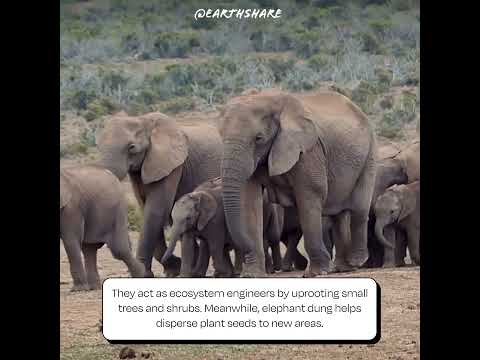
African savanna elephants are a keystone species, meaning that on their broad shoulders rests the fate of numerous other animals in the savanna ecosystem.
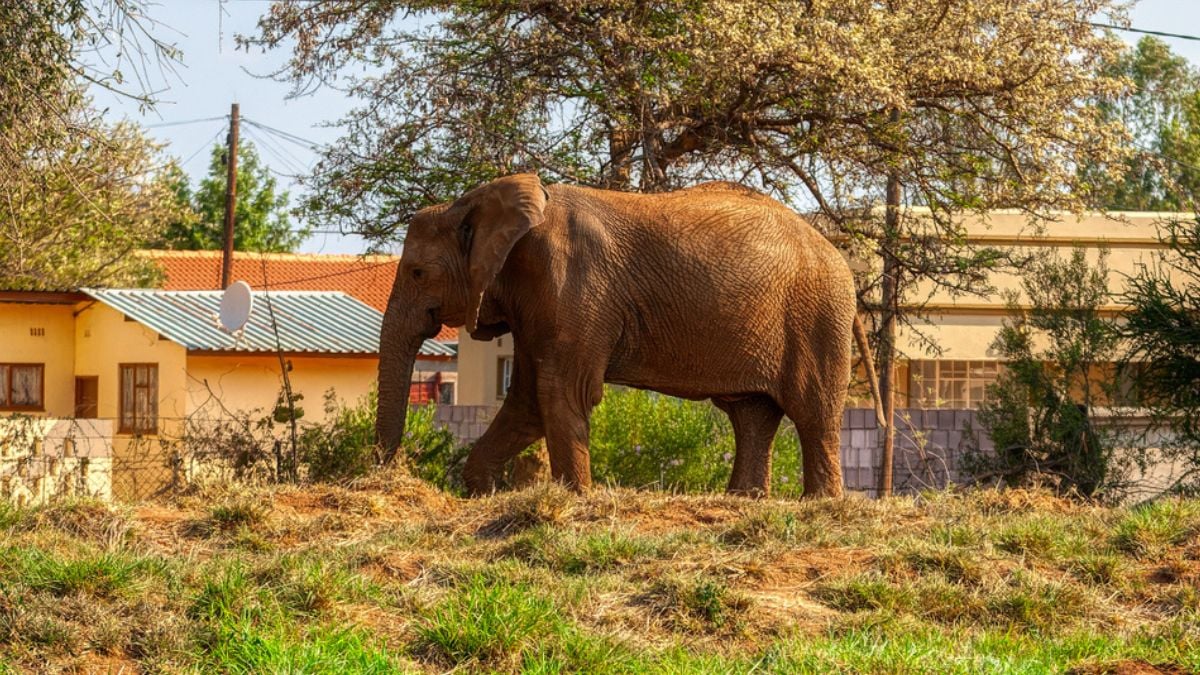
Unfortunately, however, it seems that our encroaching roads and fences are funneling the megafauna straight to human communities.
In this unnatural setting, elephants are known to raid crops, injure people, destroy infrastructure, and hurt livestock.
This can be devastating for local communities, and it has, at times, led to the culling of wild elephants. What's more, it undermines local support for elephant conservation.
"These trends, alongside the potential of growing climate pressures to further escalate conflict, present critical challenges for resource managers in the region," write the study authors, led by Evan Patrick from the University of California, Santa Barbara.
The team includes researchers from the University of Namibia and the nation's Ministry of Environment, Forestry and Tourism.
In this nation, the most common form of human-elephant conflict is elephant crop raiding.
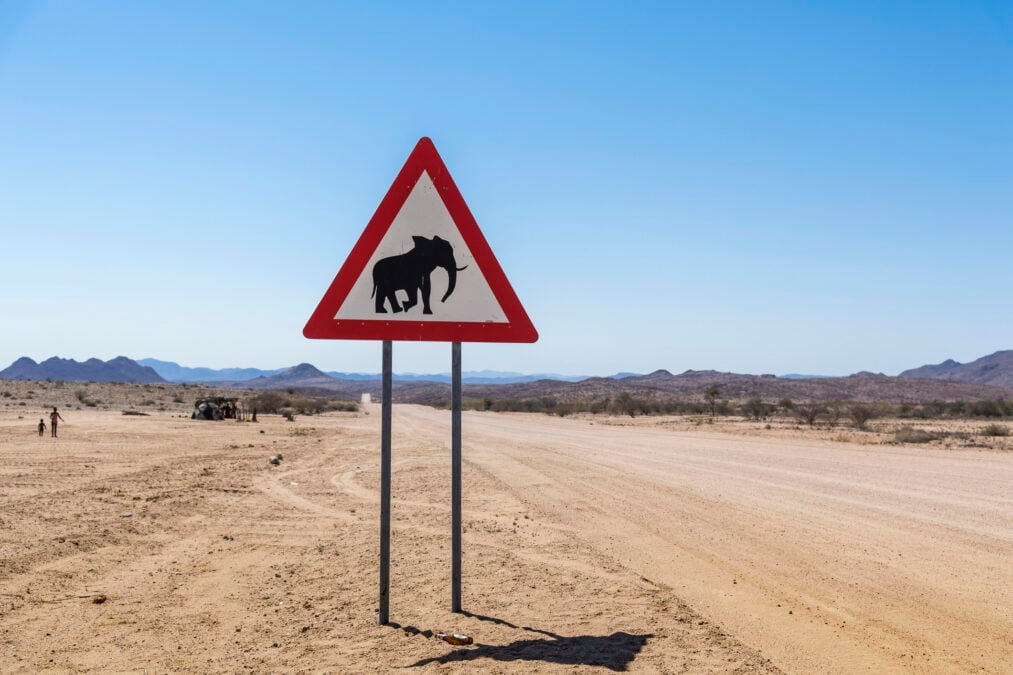
Because farming is so important to the region, the study authors point out that aggressive encounters with elephants "can result in economic damages that outweigh local benefits from trophy hunting."
The 'war' that is brewing between elephants and humans is heating up in Namibia's Zambezi region in particular.
This wet landscape is located in the nation's eastern panhandle, and it is very attractive to expanding farming interests.
It is also a functional corridor between core elephant reserves, where these large creatures are protected by law.
In some regions, communal land management is self-governed and self-organized. This was intended so that on ancestral lands, the local people hold common property rights over wildlife and tourism operations.
Subsistence farming, however, remains a key livelihood strategy for many of these residents, bringing them head-to-head with elephants.
In the current study, human-elephant conflicts were assessed across 38 communal conservancies that have rapid population growth, with a combined population of nearly 150,000 people.
Using this data, future estimates consistently projected "a trend of increasing overlap and discord between elephants and human populations."

Today in southern Africa, nearly 300,000 elephants are protected by conservation efforts, but that success story may be at risk.
Without proactive intervention, the turf war between elephants and humans is projected to rapidly increase through the end of the century, conclude Patrick and colleagues.
Still, they argue, the fact that land use is the number one factor leading to human-elephant conflict should empower local decision-makers.
Related: Elephant Species Vanished at a Shocking Rate With The Rise of Modern Humans
When planning for the future, leaving space for elephants could mitigate future damage, support coexistence, the researchers say, and "protect human livelihoods and at-risk species into the coming decades."
It's not too late to leave some parts of the savanna untrampled. We need to be careful where we step next.
The study is published in PNAS Nexus.
This article was fact-checked by Rebecca Dyer and edited by Clare Watson. While we pride ourselves on our process, we are only human. If you spot a mistake, please let us know.