
Tiny biological batteries known as mitochondria keep the body's cells running smoothly, and their gradual decline is linked to a wide range of age-related diseases. Now scientists think they have found a way to keep mitochondria powered for longer.
A protein called COX7RP is key to this discovery from researchers at the Saitama Medical University and Chiba University in Japan. The protein is thought to help mitochondria form supercomplexes, structures that improve energy efficiency.
In the new study, male mice engineered to produce extra COX7RP showed a host of differences compared with controls, including a 6.6 percent increase in average lifespan and indicators of an extended healthspan – being able to live healthier for longer.
Related: Dick Van Dyke Credits His Longevity to One Habit, And It's Backed by Science
"We previously identified COX7RP, a mitochondrial protein, as a key factor that promotes the formation of mitochondrial respiratory supercomplexes, thereby enhancing energy production and reducing reactive oxygen species (ROS) that cause oxidative stress in cells," says gerontologist Satoshi Inoue, from Saitama Medical University.
"Based on this, we investigated the role of COX7RP and mitochondrial respiratory supercomplexes in regulating aging and anti-aging processes."
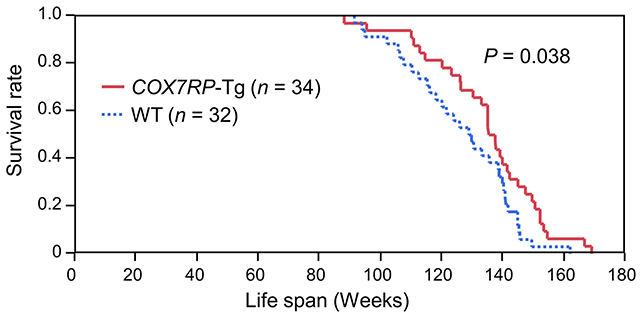
The improved healthspan indicators observed in the COX7RP-boosted mice included better glucose handling, lower levels of fatty acids in the blood, and increased muscle endurance, which can all help maintain functional bodies into old age.
Analysis of mouse tissue samples confirmed that the mitochondria in the COX7RP-boosted mice were operating more efficiently – linked to more supercomplexes – and producing more fuel for the body.
Key molecular biomarkers related to aging showed improvements, too. While we already knew COX7RP was helpful to mitochondria, the study provides new insight into the difference it can potentially make to health and aging – and how these cell power generators could be influencing lifespan directly.
"While many studies have reported shortened lifespans in disease models and interventions to overcome them, evidence for lifespan or healthspan extension under non-disease conditions remains limited," write the researchers in their published paper.

"Healthspan' refers to years of living independently, staying free from disease, and retaining good physical and mental health into old age. As the world's population gets older, these considerations are increasingly important.
It's becoming apparent that mitochondria play a central role in this process. Previous studies have linked problems with the cell power stations to dementia, and we also know health conditions like obesity can disrupt mitochondria.
Related: A Common Diabetes Drug Is Linked to 'Exceptional Longevity' in Women
All of this still needs to be confirmed in humans of course, but there could be some big clues here to support our chances of a healthy old age. The researchers suggest their findings could eventually lead to treatments for age-related diseases, including diabetes, dyslipidemia, and obesity.
"Our study elucidated novel mitochondrial mechanisms underlying anti-aging and longevity, and provided new insights into strategies for promoting healthspan and extending lifespan," says Inoue.
"For instance, supplements and medications that enhance the assembly and function of mitochondrial respiratory supercomplexes may contribute to longevity expansion."
The research has been published in Aging Cell.