The 'forever chemicals' previously linked to multiple health harms really are everywhere: They've now been detected in 98.8 percent of 10,566 blood samples tested in a new US study.
Technically, forever chemicals are perfluoroalkyl and polyfluoroalkyl substances (PFAS), and there are more than 15,000 known to toxicologists. The 'forever' nickname refers to their resistance to breaking down and their persistence in the environment.
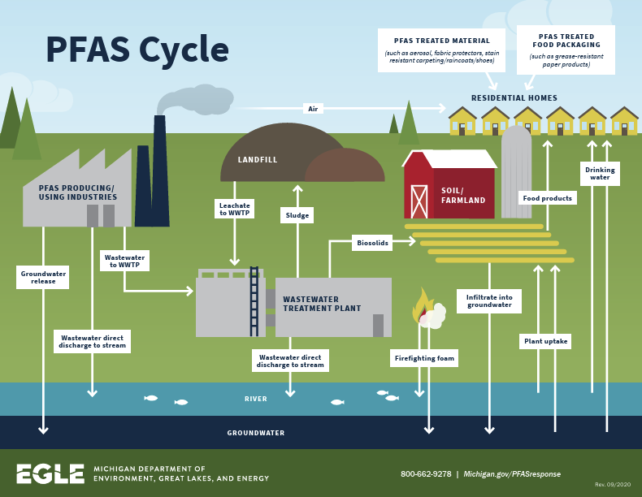
Used extensively in a wide variety of manufacturing processes for decades, these chemicals have found their way into our food, our water supplies, and the planet's ecological systems.
We already knew that PFAS can seep into the human body. In this new analysis, researchers from NMS Labs, a toxicology lab in the US, wanted to look at how many different combinations of PFAS are present in our blood.

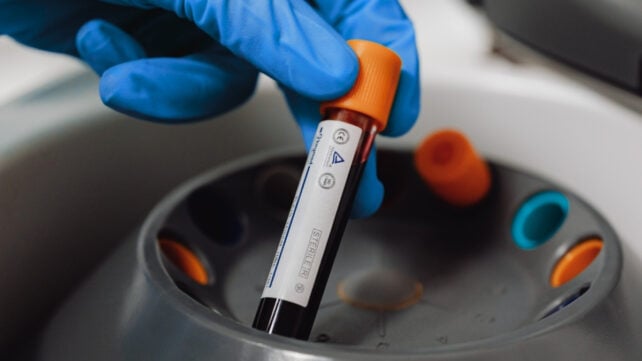
The data in this report were derived from 10,566 serum and plasma samples submitted to NMS Labs in Pennsylvania for PFAS testing.
"This large dataset provides a real-world snapshot of how multiple PFAS commonly occur together in people," says toxicologist Laura Labay, from NMS Labs.
Although the dataset used did not specify whether multiple samples were collected from the same person, it represents a large sample of the US population, which researchers analyzed using existing PFAS testing panels.
"By identifying these shared exposure patterns, the study offers a greater understanding of what widespread, combined PFAS exposure may mean for human health," Labay adds.

Just 0.18 percent of the samples had a single PFAS chemical, the researchers found. Most samples contained a complex mixture of multiple PFAS chemicals.
"Evaluating chemical mixtures is critical when assessing biological effects because of potential additive, synergistic, or antagonistic interactions," Labay and fellow NMS Labs toxicologist Lee Blum write in their paper.
Many of the same PFAS turned up in the vast majority of the blood samples. One of the chemicals, perfluorohexane sulfonic acid (PFHxS), which is used in textiles, furniture, and adhesives, was detected in 97.9 percent of samples tested.
Health concerns related to PFHxS – including its effects shown in animal studies on the liver and immune system – mean that its use in many countries is now restricted or banned outright, but the damage may have already been done.
Most people have likely been exposed to a wide array of PFAS when researchers are still trying to figure out the compounding effects of multiple PFAS chemicals.
"These findings reinforce that PFAS exposure rarely occurs as isolated compounds," says Labay.
"Instead, individuals typically carry body burdens comprising five or more PFAS with differing bioaccumulation properties and half-lives.
"The high prevalence and consistency of specific PFAS combinations highlight the importance of mixture-based interpretation in biomonitoring, particularly given PFAS' potential to affect multiple biological systems in the body."
The researchers mainly tested for 13 of the most common PFAS, so the findings likely underestimate the full chemical load.
However, it's worth bearing in mind that this study didn't measure levels of PFAS – only whether or not they could be detected using mass spectrometry.
It's still not clear how much exposure to forever chemicals could be enough to cause us harm. What we know so far about the effects of PFAS comes from cell and animal models, and observational studies, and the evidence is mounting.
Studies have linked PFAS to faster cellular aging, changes in the brain, and a higher risk of some types of cancer – though a direct cause-and-effect relationship hasn't been established.

Part of the problem here is that PFAS are so useful. They protect products from water, heat, and oil, but these benefits also mean they take a long, long time to break down when they get into the environment.
Regulators and governments are taking the potential dangers seriously, but banning the use of these forever chemicals, finding safe replacements, or removing them from the environment is challenging – though not impossible.
Related: Babies Are Exposed to 42 'Forever Chemicals' Before Birth, Study Finds
What these new findings show is just how widespread the issue is, and how many different cocktails of potentially toxic substances we're dealing with: More than 70 unique PFAS combinations were detected across the two testing panels used.
"We hope these findings will help inform future risk-assessment efforts, guide research on harmful PFAS mixtures, and ultimately support clearer clinical and public-health guidance," says Labay.
The research has been published in the Journal of Occupational and Environmental Hygiene.