
The key to heart health isn't cutting down on pasta or potatoes, new evidence suggests; it's not even a low-fat diet.
A study that tracked nearly 200,000 men and women in the US for around 30 years has now found that some low-fat and low-carb diets are better for heart health than others.
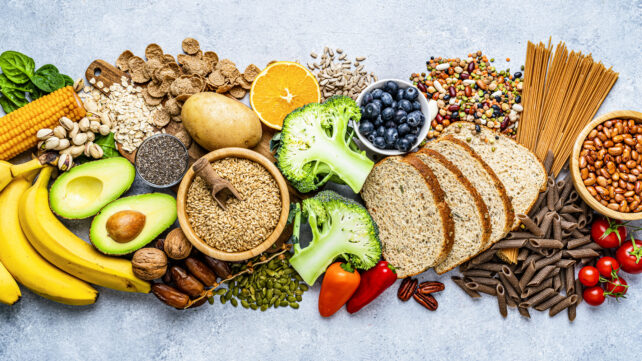
The key was the quality of the food itself, not the quantity of carbs or fats.
The research, led by public health researchers at Harvard University, suggests that if a diet contains too many processed foods and animal proteins or fats, or if it otherwise lacks in adequate vegetables, fruits, whole grains, healthy fats, or essential macronutrients, it may not benefit cardiovascular health as much in the long run, even if it is low carb or low fat by definition.
"Focusing only on nutrient compositions but not food quality may not lead to health benefits," concludes Harvard epidemiologist Zhiyuan Wu, who led the research.
Participants in the study who ate healthy, varied diets with adequate macronutrients showed higher levels of 'good' cholesterol in their blood, as well as lower levels of fats and inflammatory markers compared to those who ate diets lacking in those essentials.
They also had a significantly lower risk of developing coronary heart disease, the most common cause of heart attacks.
"These results suggest that healthy low-carbohydrate and low-fat diets may share common biological pathways that improve cardiovascular health," explains Wu.
"Focusing on overall diet quality may offer flexibility for individuals to choose eating patterns that align with their preferences while still supporting heart health."
The findings are based on the self-reported diets of participants, who were all health professionals, so they may have had higher health awareness and better access to health care than the general population.
Related: This Diet Change Cuts Over 300 Calories a Day, Without Decreasing Meal Size
That's somewhat limiting; however, the length of follow-up in the study is impressive, amounting to more than 5.2 million person-years.
The findings join growing evidence suggesting that eating fewer processed foods and more whole grains and vegetables is generally best for a wide range of health outcomes. Strict diets that count calories, carbs, or fats may not be necessary.

"This study helps move the conversation beyond the long-standing debate over low-carbohydrate versus low-fat diets," says Yale University cardiologist Harlan Krumholz, editor-in-chief of the Journal of the American College of Cardiology.
"The findings show that what matters most for heart health is the quality of the foods people eat. Whether a diet is lower in carbohydrates or fat, emphasizing plant-based foods, whole grains, and healthy fats is associated with better cardiovascular outcomes."
The study was published in the Journal of the American College of Cardiology.