This week in science: Surprisingly tiny T. rex hatchlings, an elusive new monkey species, and much more!
First up: Quantum supercomputers have been put to work on the complex task of finding the optimal fuel for nuclear fusion reactors. The simulations identified nine promising formulations that could soon be tested.
Also this week:
- The first T. rex hatchlings have been identified in old museum collections
- Scientists finally track down a long-reigning hide-and-seek champion
- A plant compound that could protect astronaut knees
- The world's oldest amber predates the dinosaurs by 150 million years
- The first human X-rays have been taken in space
Read on, and make sure you check out our TWIS video below!
Quantum Computers Identify Nuclear Fusion Fuel in Major First
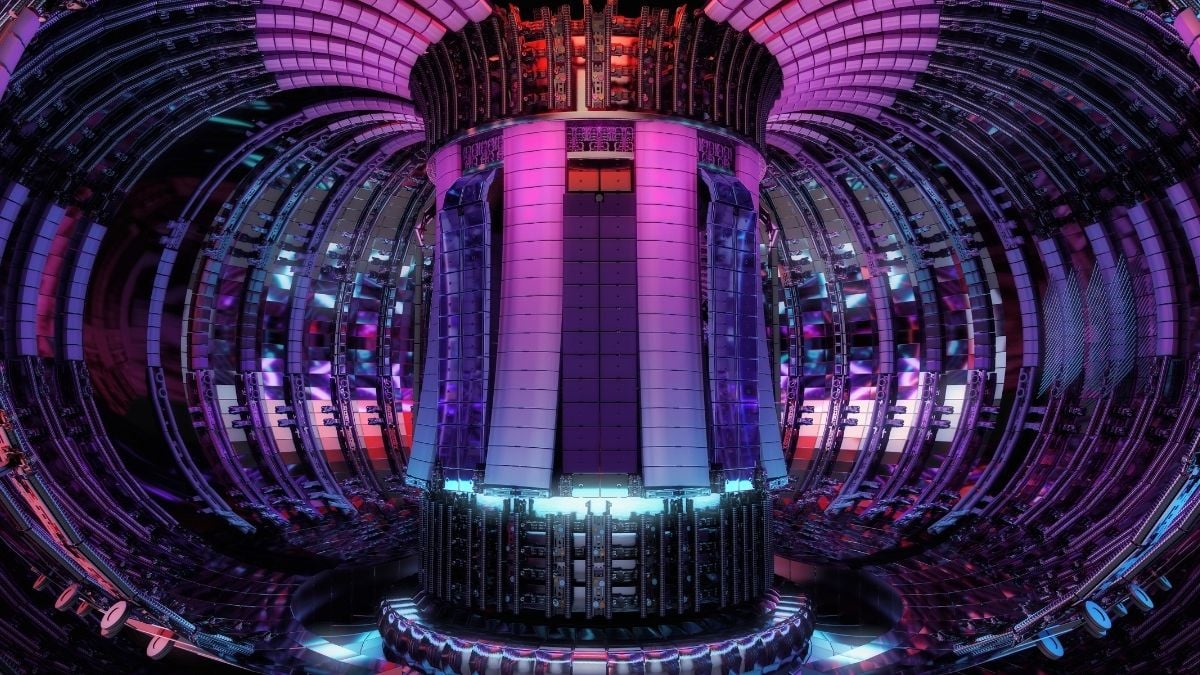
A major barrier to harnessing energy via nuclear fusion is the fuel source.
Most proposed fusion reactors (the donut-shaped tokamak reactors) are powered by the fusion of tritium and deuterium.
Unfortunately, tritium is next to non-existent on Earth.
However, if scientists can find an efficient way to 'breed' tritium, it could become a more viable source of power.
Now, for the first time, quantum-centric supercomputers have just been used to identify nine configurations of the material used to breed tritium – the latest evidence that these high-tech simulations could help physicists knock down one of the greatest barriers to fusion.
Read the full story here.
'Vanishingly Rare' Discovery: T. Rex Hatchlings Were Smaller Than a Cat And Born by The Dozen
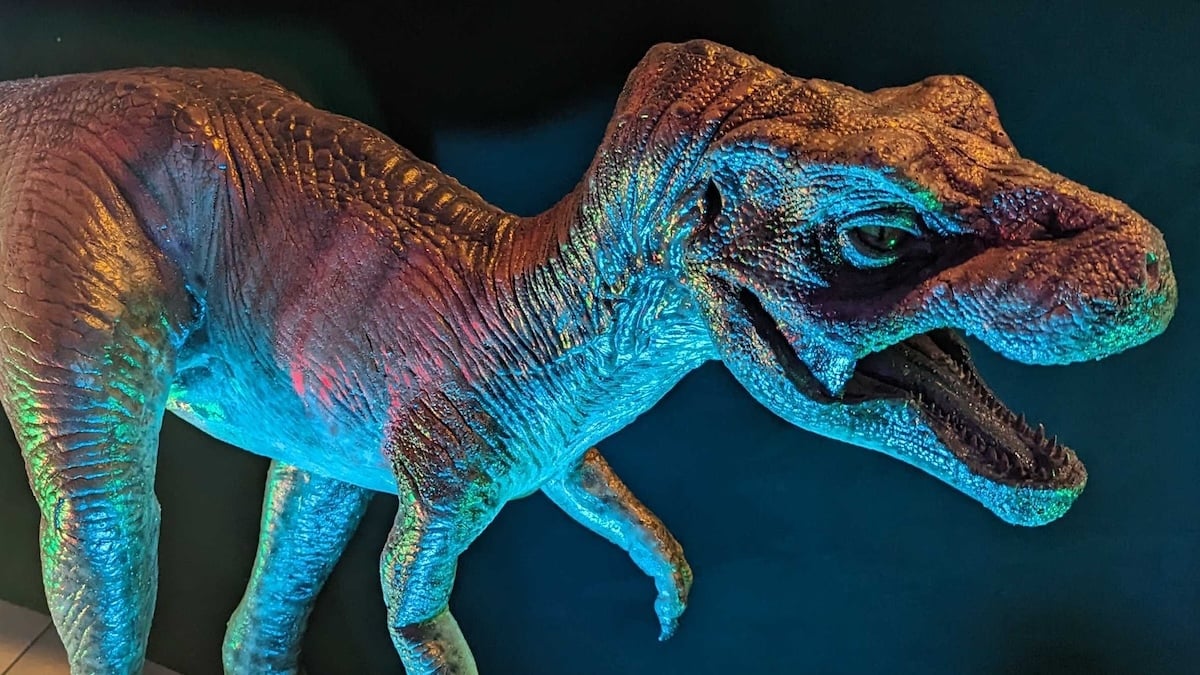
Jurassic Park was wrong. Again.
In the second movie, hunters find an infant Tyrannosaurus rex and use it to lure the adults into a trap.
But in reality, that baby would have been much smaller, about the size of a cat. And it probably wouldn't have been alone – the nest may have been absolutely crawling with dozens of them.
It likely wouldn't have been very useful as bait either: Its parents probably would have considered losing a baby or two as just part of the process, and wouldn't have cared enough to push a research trailer off a cliff.
So why are we updating our understanding of T. rex's childhood?
In a "vanishingly rare" discovery, paleontologists have found and closely examined fossils of tyrannosaur hatchlings – and the implications go way beyond everyone's favorite dinosaur.
Read the full story here.
An Entirely New Monkey Species Has Been Hiding in The Congo Rainforest
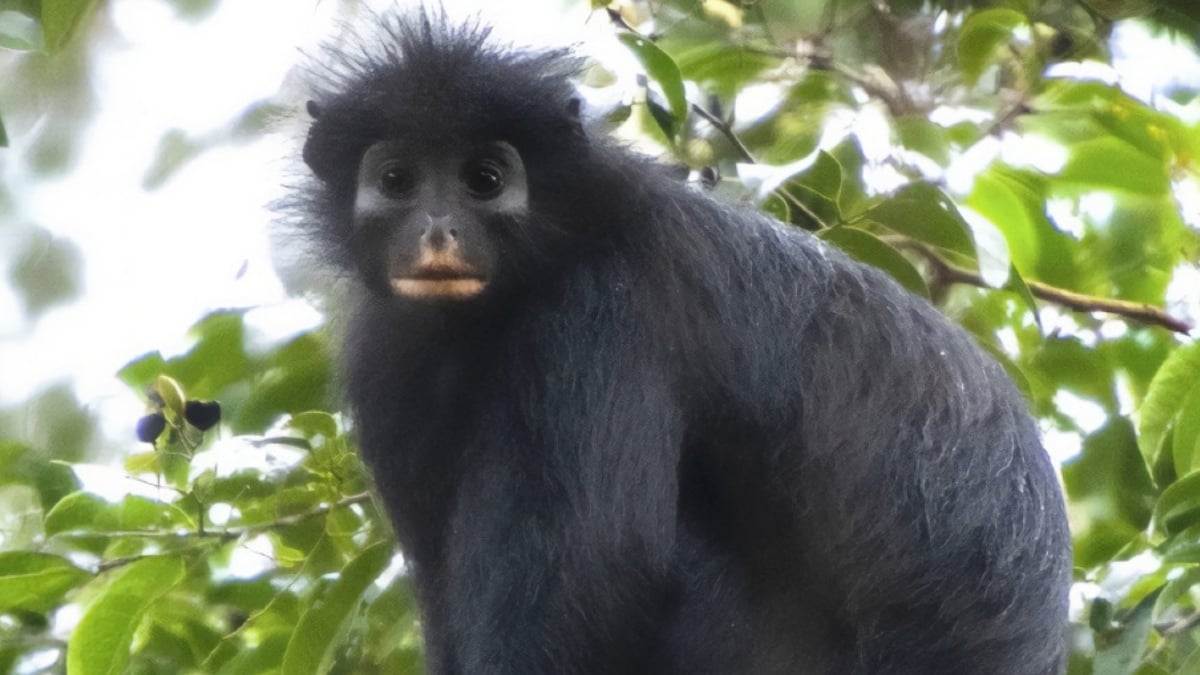
Primatologists have just confirmed the existence of a monkey species that had, until now, evaded the scientific record.
Meet Colobus congoensis, a monkey that has long been hiding in the rainforest between the Lomami and Congo (Lualaba) rivers in the east-central region of the Democratic Republic of Congo (DRC).

Even people who live within the monkey's range had rarely sighted it.
When they did, Bangala people called it 'Likweli'; Mituku locals called it 'kasaba nkoni', the branch-shaker.
It must be said: these monkeys have excellent faces, with curious dark eyes, cheekbones that would make Cher jealous, and a modelesque pinkish-orange pout that could inspire a whole new lipstick trend.
Read the full story here.
Plant Compound Protects Mice From Knee Cartilage Damage in Space
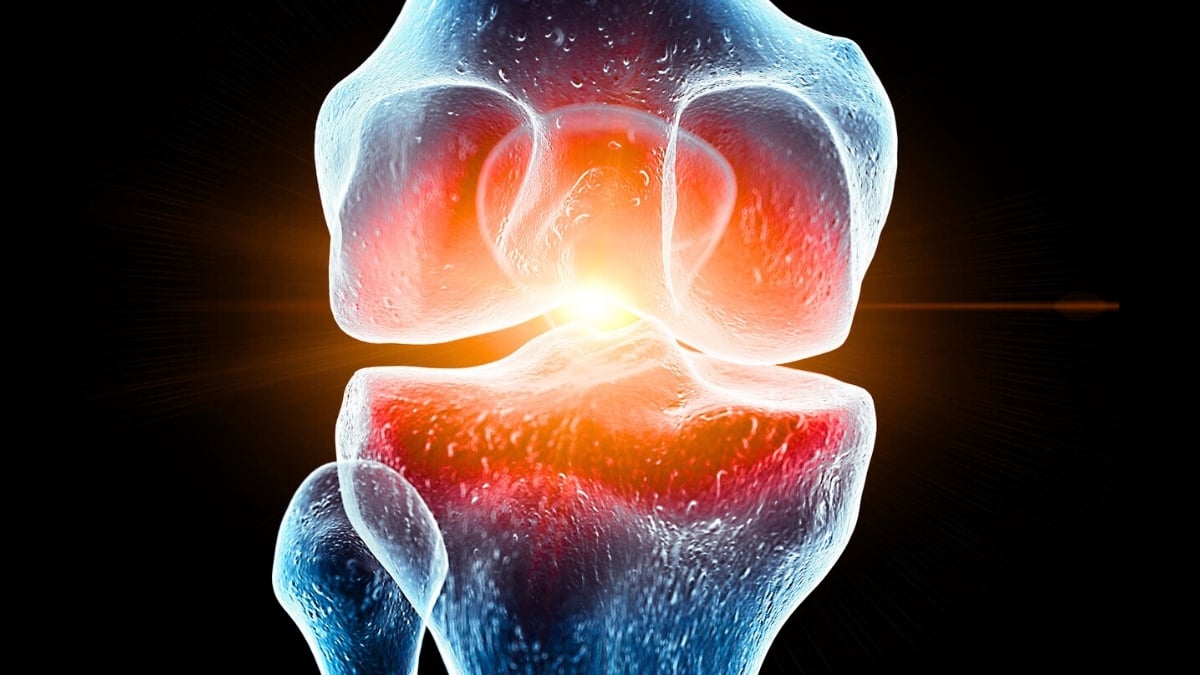
Spaceflight is rough on the mammalian body.
Mice flown on the International Space Station experience degradation of the cartilage that cushions the bone in load-bearing knee joints. Joint cartilage has a limited ability to repair itself.
Scientists now think they may have found a possible countermeasure.
Mice treated with a plant compound called kaempferol before and during simulated spaceflight conditions experienced less severe cartilage degradation than untreated mice.
Read the full story here.
World's Oldest Amber Comes From a World 150 Million Years Before Dinosaurs
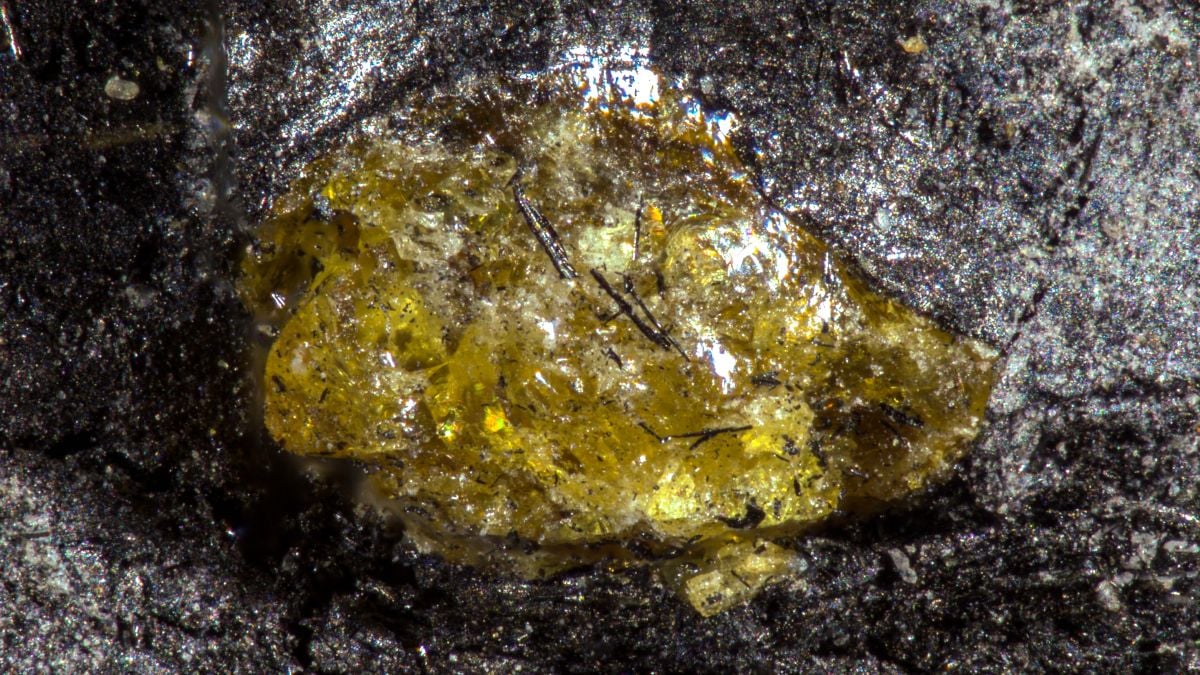
We tend to think of tree resin as an ancient, fragrant defense against munching insects – one that fends off pests and scabs over the wounds left by their voracious mandibles.
But a new discovery suggests that these viscous secretions emerged in a very different world from the one our minds conjure when we think of amber – one without dinosaurs and even before insects had become major plant grazers.
In a bed of coal in China's far northwest, paleontologists have found hundreds of microscopic fragments of amber that date back to the Middle Devonian, 385 million years ago – some 65 million years earlier than the previous record holder, and 150 million years before the first dinosaurs.
Read the full story here.
Astronauts Have Taken The First Human X‑Rays in Space
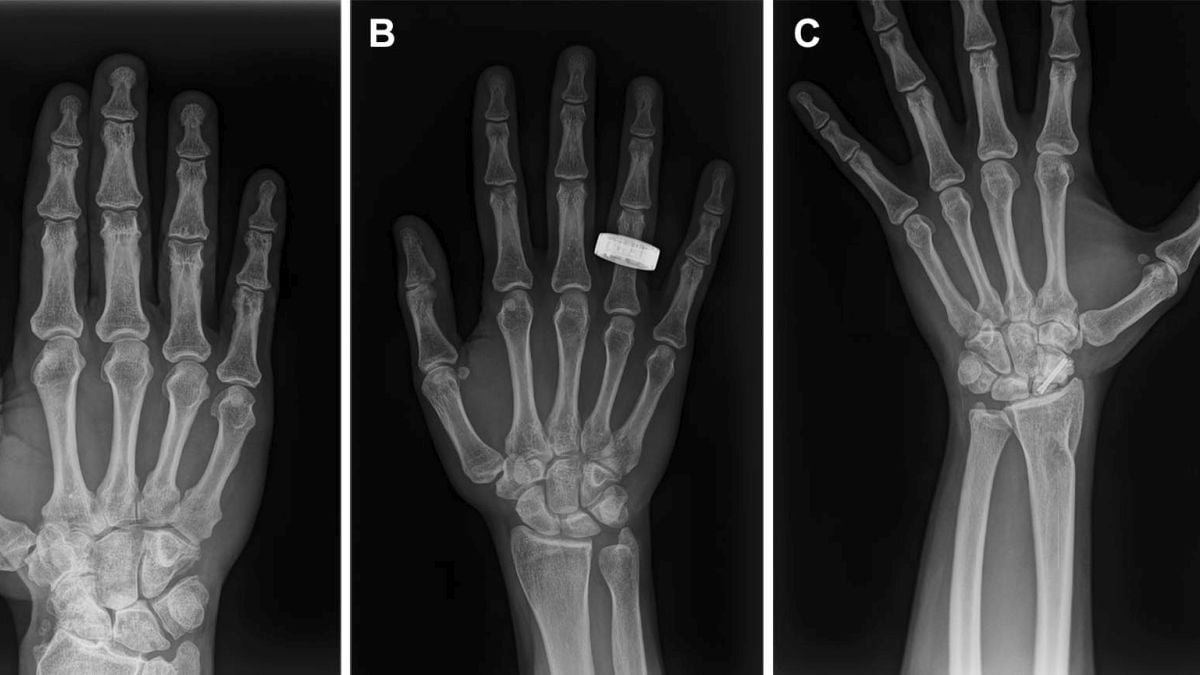
For more than 65 years, humans have been soaring through space.
Since the first spaceflight by cosmonaut Yuri Gagarin in April 1961, the human presence in space has become a constant, with a revolving team of international spacefarers residing aboard the International Space Station.
In the coming decades, our presence in space is likely to expand – and with it, the need for vital medical tools to keep our cosmic explorers healthy.
Now, for the first time, astronauts in orbit have taken diagnostic-quality X-rays of their own bodies – the culmination of years of work. The results are now published in the journal Radiology.
Read the full story here.
Watch the video below for a recap of the top stories from this week!