How do you handle disappointment? Are you sometimes defiant, doubling down in the face of failure, or do you typically adapt with aplomb?
According to a new study involving mice, the behavioral flexibility behind our reactions to disappointment may be reliant on a single chemical in the brain: the neurotransmitter acetylcholine.
The findings could shed light on conditions related to this neurotransmitter, including addiction, obsessive-compulsive disorder, and schizophrenia.
"Acetylcholine levels are often altered in treatments for neuropsychiatric disorders like Parkinson's disease or schizophrenia," explains co-author and neurobiologist Jeffery Wickens from the Okinawa Institute of Science and Technology (OIST).
"So understanding the function of this neurotransmitter is essential in treating many neuropsychiatric disorders."
Tenacity is a valuable asset, but animals also need flexibility to endure environmental change. Survival sometimes hinges on quick adaptations.
Such flexibility depends largely on external circumstances, but it can also reflect internal conditions such as mood, psychological resilience, and personality.
"In particular, with conditions such as addiction and obsessive-compulsive disorder, we see a difficulty in breaking habits and shifting behavior," says Wickens.
"So understanding the mechanics of behavioral flexibility may one day help us develop better treatments."
The new study reveals a mechanism within mouse brains that seems to help balance persistence with the occasional need for plasticity.
The experiments explored how unexpected changes to a familiar route leading to a reward played out in the rodent brain.
While earlier research has unveiled some details about the neurological origins of flexible behavior, many key questions persist, says Wickens.
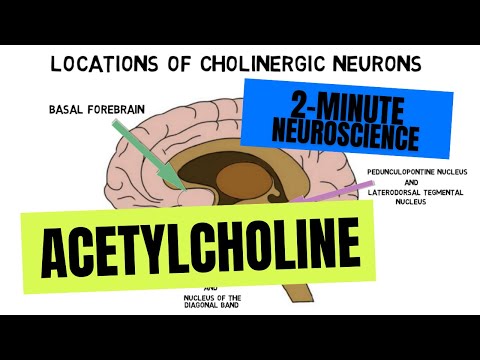
"Previous work has indicated that cholinergic interneurons, brain cells that release a neurotransmitter called acetylcholine, are involved in enabling behavioral flexibility," Wickens says.
"Here, we were able to use advanced imaging techniques to see neurotransmitter release in real time and delve into the fundamental mechanisms behind behavioral flexibility," he adds.
The researchers trained mice to navigate a virtual maze, giving them time to learn the route to rewards before suddenly changing it. When mice tried what had always worked, they no longer received the reward they'd come to expect.
Using two-photon microscopy and a genetically encoded acetylcholine sensor, researchers monitored brain activity before and after the switch, revealing in real time what happened as mice learned the path – and again as they processed its abrupt betrayal.

"Neurally, we saw a significant increase in acetylcholine release in certain areas of the brain," says first author Gideon Sarpong, a neuroscientist at OIST.
"And behaviorally, we saw more mice displaying what's known as 'lose-shift' behavior, changing their choices in the maze after non-reward."
The results suggest acetylcholine provides a nudge back to the drawing board.
"The greater the increase in acetylcholine, the more likely the mice were to change their future choices," Sarpong says.
"Our results demonstrated the importance of acetylcholine in breaking habits and enabling new choices."
To test this interpretation, the researchers inhibited acetylcholine production in some mice. These mice began to exhibit more rigid behavior, becoming less likely to try new tactics – even after the clear failure of their preferred approach.
This bolsters the case that acetylcholine helps mammalian brains adapt to unpleasant surprises. The neurotransmitter wears many hats, however.
While the maze disappointment prompted most of a mouse's cholinergic interneurons to produce more acetylcholine, some clusters of the cells barely reacted or even reduced their activity.

That might be a mechanism for saving information about previously effective habits, the researchers suggest.
"This indicates the mice may not necessarily forget the previous pathway to reward, but retain this information in case the situation changes again," Sarpong says.
Related: The Link Between Vitamin C And Brain Health Just Got Even Clearer
It's worth noting that behavioral flexibility is bigger than any one neurotransmitter, arising from many interactions among brain regions and systems, the researchers note. Acetylcholine isn't doing all this on its own.
"But it's an important piece of the puzzle, as the activity of the striatum, where these cholinergic interneurons are held, is a central component of this system," Wickens says.
More research will be needed to clarify acetylcholine's role in all this, both for the sake of general knowledge about brain function and for potentially transformative insights about certain neurological disorders.
The study was published in Nature Communications.