The thought of parasites in your food might make you squirm, but they are a reality we must all be wary of.
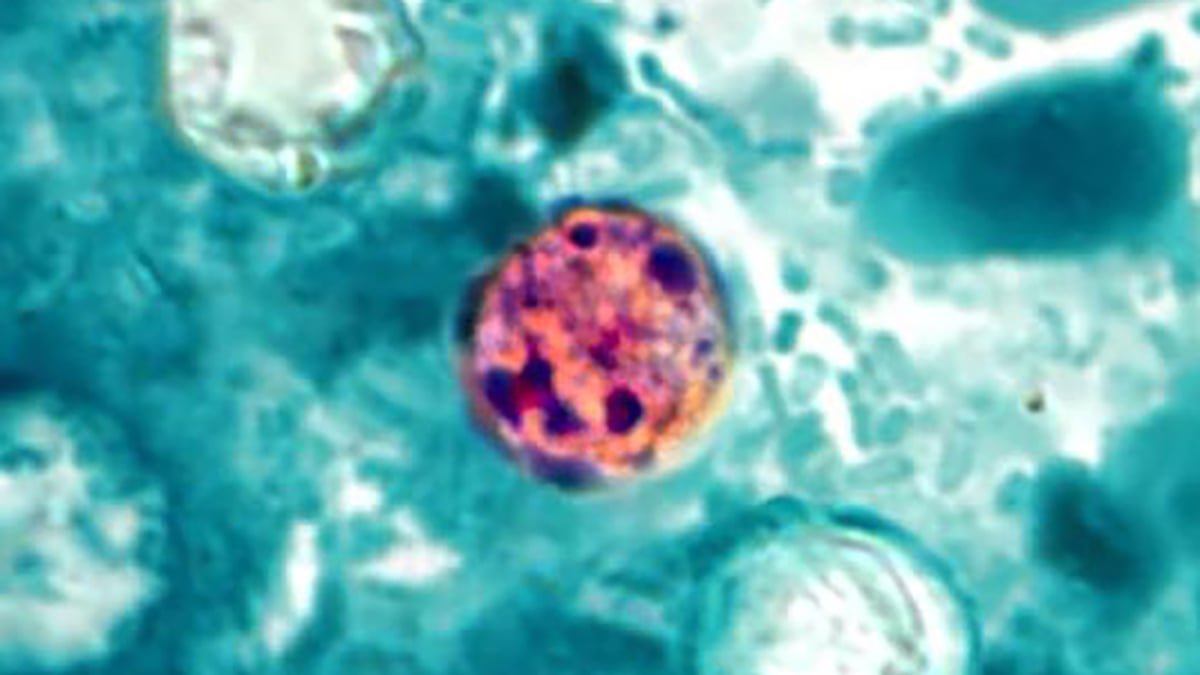
An outbreak of the parasite Cyclospora in the US, with most cases being reported in Michigan, is a stark reminder of how quickly parasites can spread, even in developed nations.
Michigan health officials have identified lettuce and salad greens as a potential vector for the parasite, since it is transmitted by food and water contaminated by feces.
This particular food source has not been confirmed; the outbreak may yet be linked to other food sources. Nor have authorities named any particular grower or supplier.
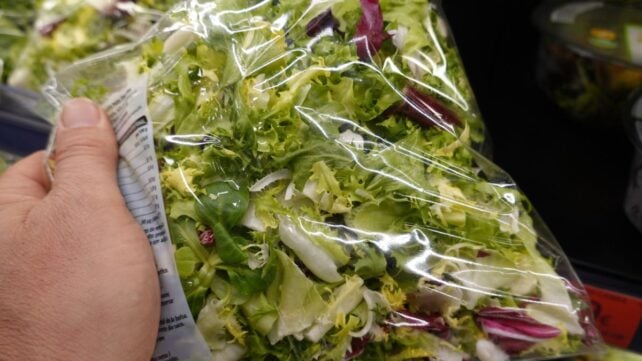
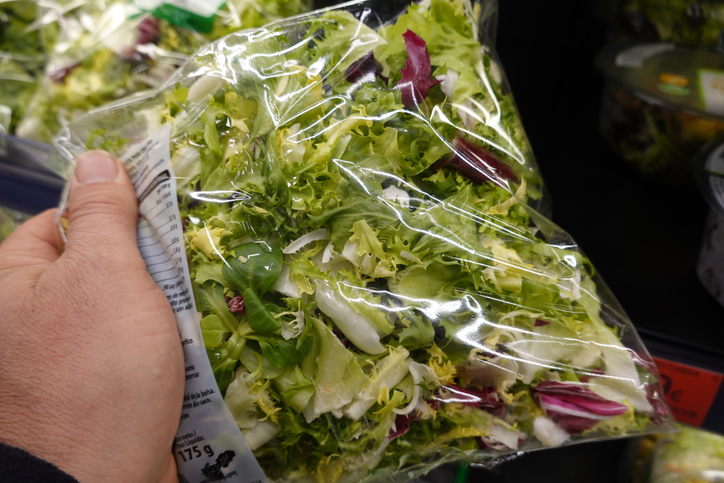
But bagged salad greens are often a likely culprit in foodborne parasite outbreaks, because they're mainly eaten raw, and there are multiple stages in the production process where contamination can occur.
Gastroenterologist Vincent Ho pointed out during an E. coli outbreak in Australia that "many bagged salad products come with a selling point along the lines of 'washed and ready to eat'."
He said wash them anyway.
In the midst of the current US Cyclospora outbreak, experts are advising the public to be wary of how they consume raw vegetables, and take appropriate measures to clean fresh produce.
Epidemiologist Marisa Donnelly gave some handy advice in a recent blog post for Your Local Epidemiologist.
"Continue to avoid bagged and boxed salads at grocery stores and restaurants," she writes.
"I'm still sticking to produce that can be peeled or vegetables with smooth surfaces, like cucumbers, until more data comes in."
Cyclospora may be the foodborne parasite of the day, but there are many other pathogenic beasties you should be careful to avoid when handling and preparing food.
A new World Health Organization report published in The Lancet estimates the burden of foodborne parasites in 2021.
Parasites and other foodborne hazards were ranked in terms of disability-adjusted life years (DALYs), which is a way of measuring the years of healthy life lost.
Across the world, they estimate that infections with food-borne parasites were responsible for 4,886,427 DALYs lost in 2021.
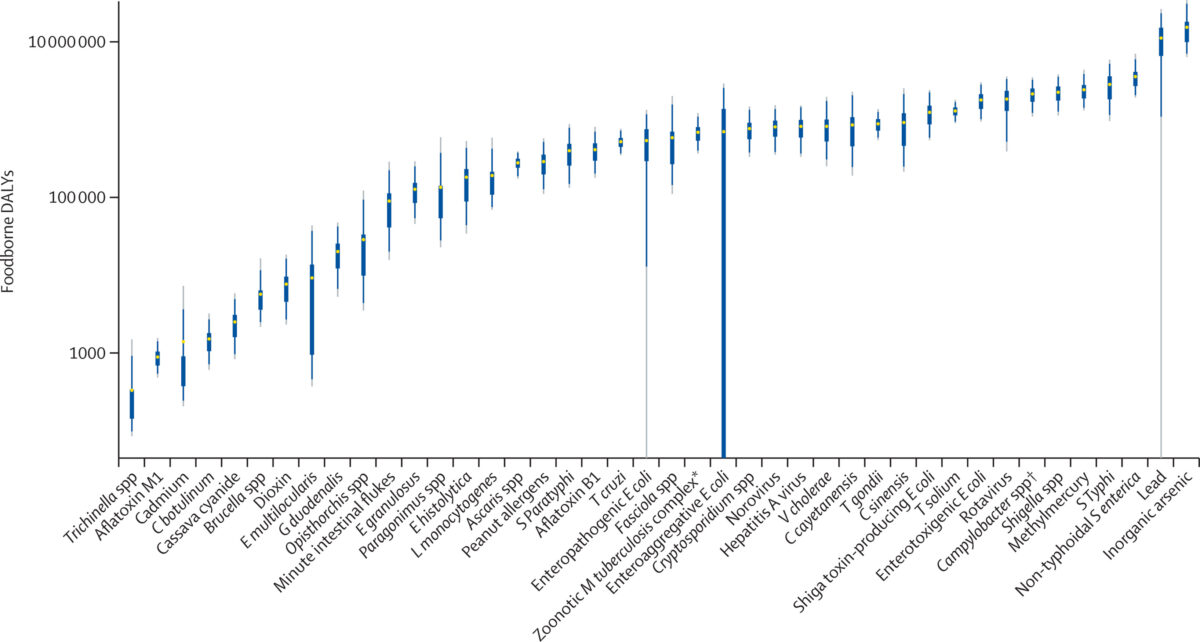
The pork tapeworm (Taenia solium) has the largest global health burden of the foodborne parasites they measured.
It's usually contracted when humans eat raw or undercooked pork, ingesting infective tapeworm cysts that grow into adult worms that live in the small intestine. But it can also be spread by eating vegetables contaminated by infected human feces.
It's easily avoided by cooking vegetables and pork thoroughly (and in the case of pork, freezing it at -10 °C (14 °F) for five days). It's also important to prevent the spread of tapeworm eggs at the source, by keeping untreated human feces far from anything a human or pig might eat.
Washing your hands before and after handling any raw foods is always a good idea, too.

Clonorchis sinensis is next in the ranks for stealing years of health from people around the world: this fluke infects mammals that eat fish, including humans. It's most common in Asia and Russia, with most infections occurring in China.
This parasite reaches its definitive human hosts if we eat raw or undercooked fish containing the fluke's larvae.
Toxoplasma gondii is next up, as one of the most widespread protozoan parasites that infects humans. Many people with this parasite experience no symptoms, and can be totally unaware they're infected.
But for pregnant women and people with suppressed immune systems, like those with HIV/AIDS or organ transplants, T. gondii can cause serious problems.
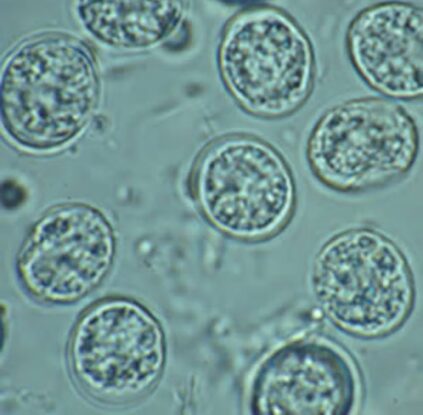
It's mainly spread through exposure to cat litter: to prevent its spread, keep cats out of the vegetable garden (ideally, they should be indoors anyway) and take care when handling and disposing of cat feces: no, it doesn't belong in the compost. Pregnant women should avoid dealing with cat litter entirely.
Other parasites of note in the WHO report include members of the Cryptosporidium species, which can cause gastrointestinal and respiratory illness; Fasciola species (liver flukes); Trypanosoma cruzi, which causes Chagas disease; and Ascaris species (small intestinal roundworms).

Most of these parasites can be avoided by avoiding exposure to human effluent and potentially contaminated water (beware the splash pool, for instance).
We've got to talk about sex, here, too: if you or your partner have recently been ill with any kind of foodborne parasite, even if you're feeling better, care should be taken to avoid spreading rear-end materials anywhere near your face. Wash up before and after: there is nothing less romantic than giving your loved one explosive diarrhea.
Related: Explosive Diarrhea Is Surging Across The US Right Now
And, as always, washing your hands with soap and water (alcohol-based hand sanitizers are nowhere near as effective) helps a lot; so does making sure your food is properly cooked, and, if you're eating raw fruits and vegetables, thoroughly washing them with clean water.
More advice on food safety is available here.
The World Health Organization report was published in The Lancet.