
A multitude of factors contribute to dementia risk, and scientists may have just found another one: severe infections, especially of the urinary tract and bladder.
In a new study, researchers from the University of Helsinki in Finland found that severe urinary tract infections (UTIs) and other bacterial diseases were strongly associated with a higher risk of developing dementia years later, independently of other coexisting conditions.
That last point is an important one, because while severe infections have been linked to dementia risk before, it hasn't been clear if other non-infectious diseases were playing a role and skewing the statistics.
There are numerous conditions, including diabetes and heart disease, that can raise the risk of both infections and dementia – so it's notable that researchers have been able to single out infectious diseases here.
"During the past few years, considerable research interest has focused on the potential role of infectious diseases in the development of dementia," write the researchers in their published paper.
"Pre-existing comorbid conditions are potentially important contributors to this association, because the average age of dementia diagnosis is older than 80 years, and therefore people with dementia often have other illnesses, many of which also confer an increased risk for infections."
The researchers analyzed data on 62,555 people in Finland aged 65 or over, who were all diagnosed with late-onset dementia between 2017 and 2020. The study also included 312,772 control participants without dementia, matched by age and sex.
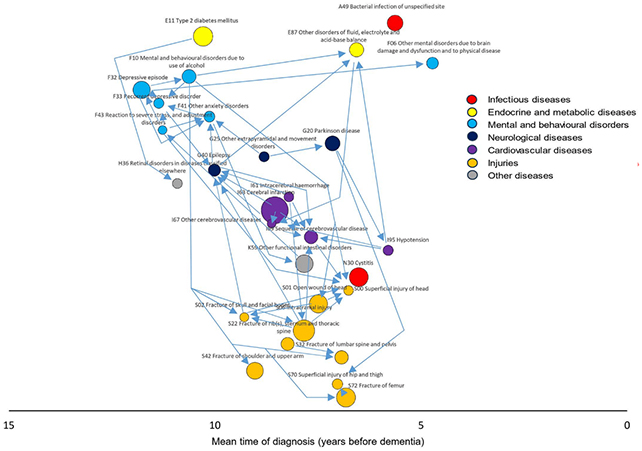
A total of 29 hospital-treated diseases were connected to dementia risk, the data showed. These included mental, behavioral, carbometabolic, and digestive diseases, but only two types were infections: UTIs and bacterial infections.
After adjusting the data to account for the other 27 diseases, and for potential influences such as education and employment status, the severe infections – particularly UTIs – were linked to a 19 percent greater risk of developing dementia.
The main takeaway is that preventing these infections might be a way to reduce the chances of dementia later in life – alongside all the other risk reduction measures that can potentially be put in place.
The researchers make some suggestions about why the link might exist. For one, the inflammation triggered by an infection – the body's attempts to heal itself – can put the immune system into a state of overdrive that then damages the brain. However, further research will be needed to clarify this.
There were also clues in the data suggesting that when the infection happens might be significant. Generally, the time between infections and a dementia diagnosis was five to six years on average. It's possible that these infections are accelerating early dementia processes or pushing them past a tipping point.

"This time frame suggests that the inflammatory insult resulting from infections severe enough to require hospital treatment may accelerate the pre-existing preclinical stage of dementia rather than initiate neurodegeneration in a cognitively healthy person," write the researchers.
Among the non-infectious diseases associated with a higher likelihood of developing dementia, the researchers identified alcohol-related mental disorders, Parkinson's disease, and brain disease. This all helps to improve the understanding scientists have of how dementia works and how it gets started.
Related: Brain 'Stretching' Is The Secret to Protecting Your Mind From Dementia
What this study doesn't show is a direct cause-and-effect relationship: it's not proof that these infections that are bad enough to put people in hospital are specifically leading to cases of dementia. However, the strength of the association here means further investigations are definitely warranted.
"Our findings support the possibility that severe infections increase dementia risk," write the researchers.
"However, intervention studies are required to establish whether preventing or effectively treating infections yields benefits for dementia prevention."
The research has been published in PLOS Medicine.