
This Week in Science: Jellyfish attack, lab-grown mini-brains sense time, and much more!
First up: An analysis of 500 occupations revealed the job with the highest risk of radiation-related cancer deaths, and it's probably not one you'd expect. It turns out it's flight attendants, followed by pilots. The prime suspect is a strange one.
Also this week:
- Astronomers find an absolute super star in our galaxy
- The health hazards of a daily sugary drink habit
- Swarms of jellyfish shut down a nuclear reactor in a stunning coincidence
- Lab-grown mini-brains learn to tell the time
- A potential obstacle to the hydrogen revolution
Read on below, and make sure you also check out our TWIS video!
Job With Highest Risk of Radiation Cancer Revealed Out of Over 500 Occupations

According to new research, which analyzed data from more than 500 occupations, the job that accounts for the highest proportion of radiation-related cancer mortality is being a flight attendant.
The runner-up? Being a pilot.
So what is it about air travel that's so dangerous in terms of cancer risk?
The answer is in-flight radiation from cosmic rays – exposure to which is much higher in the sky than what we receive at ground level, thanks to the effects of Earth's atmosphere, which acts as a shield, absorbing and scattering high-energy particles from space.
Read the full story here.
Astronomers Found a Star Moving at 8.5% The Speed of Light – And It Could Prove Einstein Right (or Wrong)
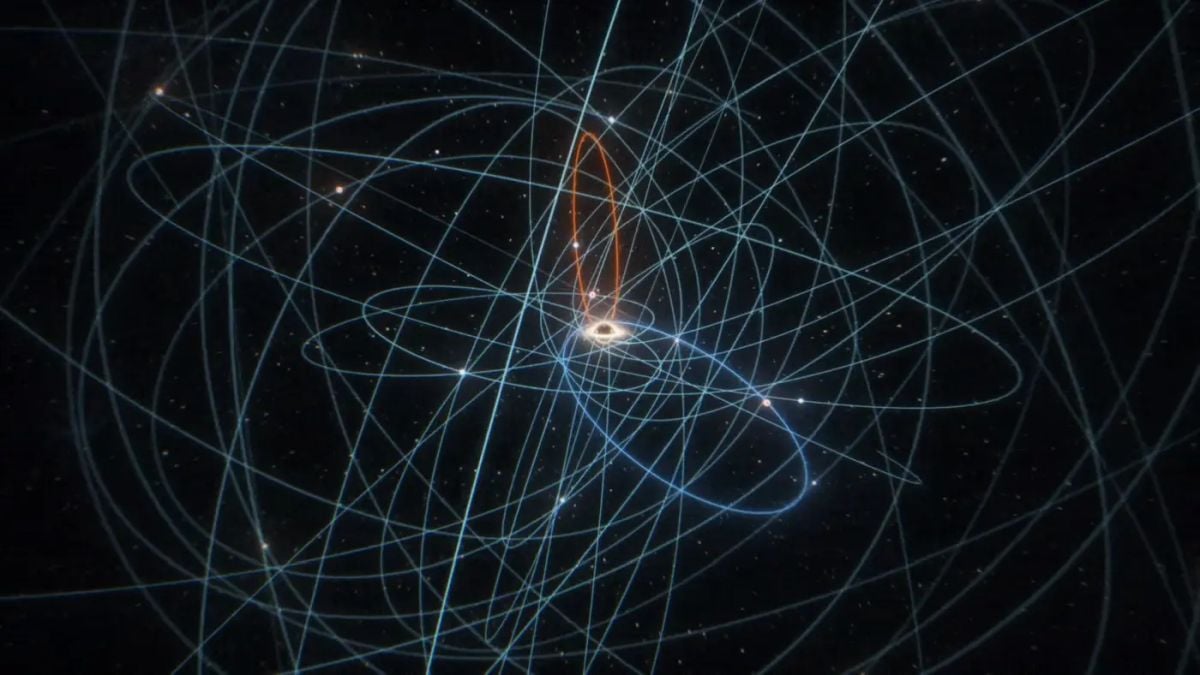
In the extreme environment at the heart of the Milky Way galaxy, things can get a little hinky.
And by hinky, we mean almost inconceivably bonkers.
There lurks a supermassive black hole named Sagittarius A*, tipping the scales at around 4.3 million times the mass of the Sun.
Although that's relatively modest as far as supermassive black holes go, the gravitational regime in its immediate vicinity provokes some wild behavior in the stars that inhabit it.
And now astronomers have discovered an object that leaves the rest in the dust.
Described in a new Nature paper, S301 is on a searing 8.7-year orbit around Sgr A* that reaches a peak velocity of more than 25,000 kilometers (15,534 miles) per second during its closest approach to the black hole, a distance similar to that between Saturn and the Sun.
Read the full story here.
Sugar-Sweetened Beverages Linked to Stomach Cancer For The First Time

We know that sugary drinks aren't good for us, but that doesn't seem to stop most people drinking them – and on a daily basis.
Evidence suggests about two-thirds of American adults consume at least one sugar-sweetened beverage each day, and most children in the US do the same.
That daily habit may significantly raise cancer risks, new research suggests.

In an analysis published in Gastro Hep Advances, researchers found people who consumed at least one sugar-sweetened beverage a day were about 2.45 times more likely to develop cancer in the stomach, when compared against people who never drank sugary drinks.
Read the full story here.
Swarming Jellyfish Just Shut Down a Nuclear Reactor For The Second Time

It seems animals may have had just about enough of human activity and technology.
Jellyfish have shut down a nuclear reactor in northern France for the second time, and it's far from the only attack nature has launched on our infrastructure in recent years.
Whether the gloopy marine creatures were taking aim at French energy policy or simply got lost isn't clear – there's been no official comment from their side.
However, given that this has happened two years in a row, and on exactly the same date each time, it does feel rather coordinated.
Read the full story here.
Unprecedented: Scientists Have Built Miniature Brains That Experience The Passage Of Time
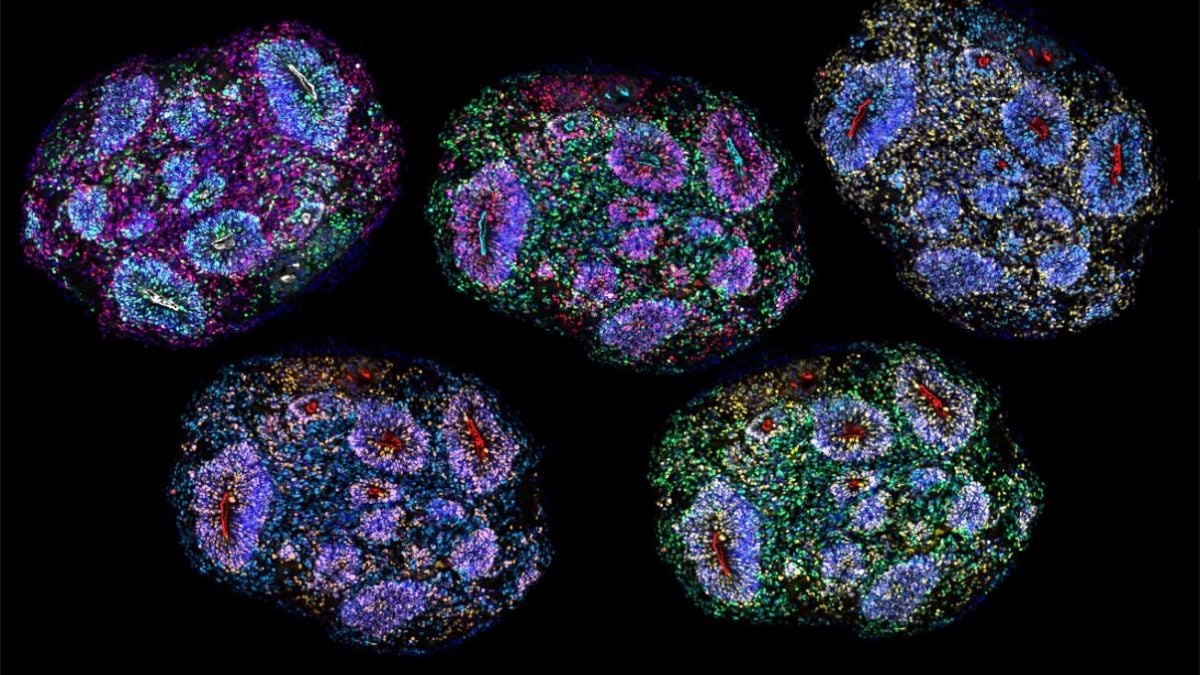
Our brains comprise 86 billion neurons and the trillions of connections between them, whipping up an orchestrated storm of electricity and chemicals that pulse within a 3-pound lump of jellified fat, protein, and water.
The intricate biological machine that defines us humans requires about 20 years to mature, a much lengthier developmental period than in most other species.
This, along with the added inconvenience that it's locked within our craniums, makes our developing brains experimentally inaccessible.
So, scientists are building brains in the lab, no big deal.
In a breakthrough described in the journal Nature, researchers have created miniature brains, called organoids, that can 'sense' the passage of time and retain a cellular 'memory' of how long they have already spent developing.
Read the full story here.
Nobody's Talking About This Weak Link in The Hydrogen Economy: Metal

Existing gas turbines aren't ready to run on hydrogen, according to researchers from Germany, China, and France, who just published a study in Nature Materials.
There's a lot of excitement about hydrogen fuel as a sustainable energy solution, though to be truly emissions-free, it must be harvested from water using renewable energy.
Currently, most of the world's hydrogen is made from natural gas, a fossil fuel, in a process that emits large amounts of carbon dioxide into the atmosphere.
But another great challenge facing the hydrogen economy is lesser-known: its infrastructure.
Read the full story here.

Watch the video above for a recap of the top stories from this week!