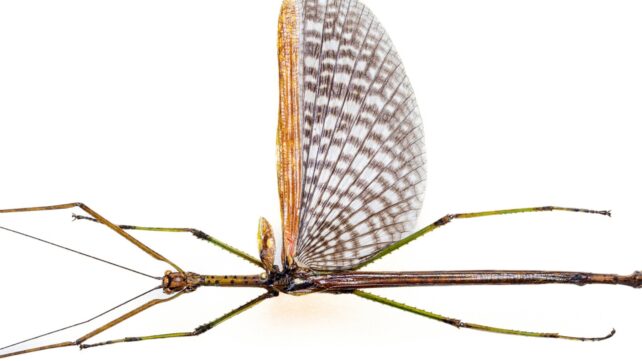
Stick insects are notoriously difficult to spot, and it's not just because they're camouflaged.
Scientists in Australia have just discovered two entirely new species of stick insect in areas of the country's tropical state of Queensland that are already very well-researched.
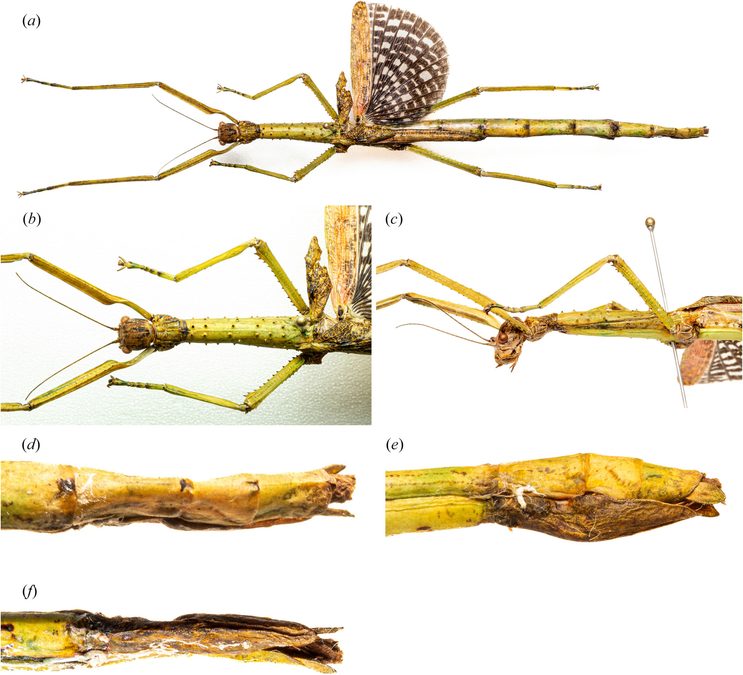
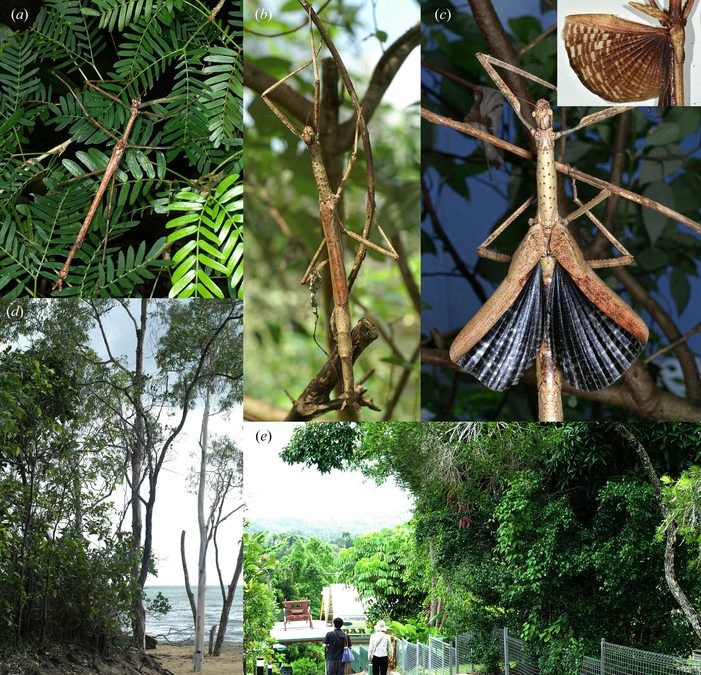
One of those species, Anchiale mabiensis, has evaded the scientific record until now by hiding out in Queensland's critically endangered Mabi rainforest, on the Atherton Tablelands.
As of 2021, there were only 1,050 hectares of Mabi rainforest remaining. Those remnants are heavily fragmented, too, occurring in patches throughout an otherwise agricultural landscape.
This adds to their vulnerability, since grazing and feral animals, as well as invasive plants, can get in from all sides.
A. mabiensis seems to be endemic to this threatened ecosystem.
"These findings demonstrate the importance of protecting threatened ecosystems and documenting Australia's extraordinary biodiversity before we lose species without us having even discovered them," says entomologist Braxton Jones, of the University of Sydney.
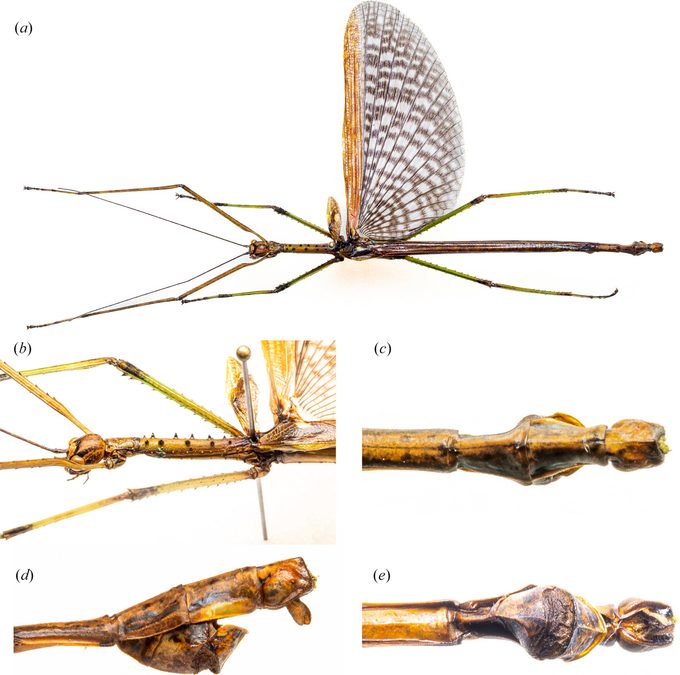
For the other new species, Anchiale robusta, its discovery is a case of mistaken identity.
Records of this large stick insect date back to at least 1976, when its egg case was misidentified as Ctenomorphodes briareus (a species that was renamed Anchiale briareus in 2007).
New genetic analysis, along with some close inspection of the insect's physical features, revealed that A. robusta deserves its own branch (or should we say stick) on the evolutionary tree.
"Taxonomy is often a bit like detective work," Jones says.
"Even among some of Australia's most photographed and frequently reported insects, we're still finding species that have escaped scientific recognition."
While A. robusta is quite closely related to A. briareus, their genes and anatomy are different enough to say these two are on a separate trajectory when it comes to breeding.
It's also been named 'robusta' for a reason: It's larger than its sister species.
Stick insects produce some of nature's most beautiful eggs, often resembling intricate pottery designs. Each stick insect has a unique egg style, which also helps biologists distinguish between species.
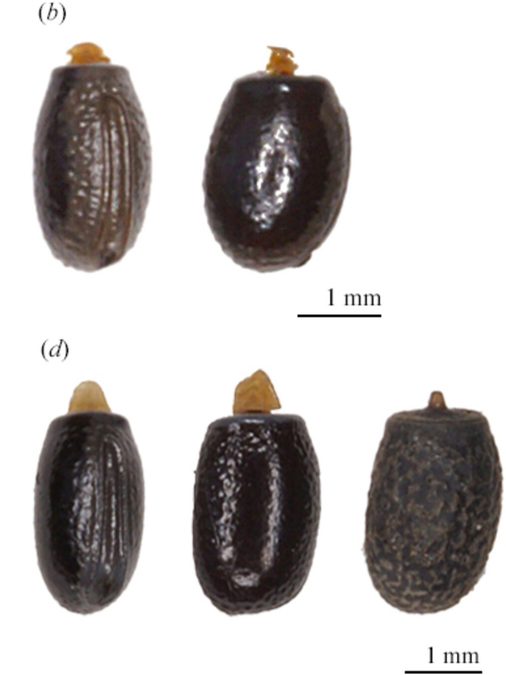
The eggs of A. mabiensis are coffee brown, and not quite so shiny or elongated as those of related species. They also have inner rings on the egg 'lid', a trait not seen in any other stick insect so far.
A. robusta eggs are an even darker shade of brown. When this stick insect first lays its eggs, they're very glossy, but they become more bumpy and matte over time, giving the surface an ashy appearance.
The discovery of A. mabiensis, hidden in those remnant outposts of the Mabi, is a reminder of all we stand to lose if we continue to chip away at what wild lands remain.
As for A. robusta, this new species was hiding right under our noses the whole time.
Its discovery is a sign that we can't take our existing knowledge for granted: There are often unexpected findings to be made by revisiting the archives with an open mind.
The species were formally described in Austral Entomology.
This article was fact-checked by Rachel Garner and edited by Rebecca Dyer. While we pride ourselves on our process, we are only human. If you spot a mistake, please let us know.