Leading US cardiologists have published new guidelines for managing high cholesterol – vital advice for reducing the risk of heart problems and strokes.
These fresh guidelines are compiled by medical experts from the American College of Cardiology and the American Heart Association, replacing the guidelines those organizations issued in 2018.
The updated information includes recommendations for detecting high cholesterol at earlier ages, details about the lifestyle changes that can lower cholesterol levels, and improved methods for calculating the risk of future heart attacks and strokes.
"Shifting the paradigm toward proactive prevention strategies earlier in life can meaningfully change the trajectory of cardiovascular disease and lead to better health outcomes for people decades later," says cardiologist Seth Martin, from the Johns Hopkins Ciccarone Center for the Prevention of Cardiovascular Disease in the US.
Cholesterol is a fatty, waxy substance the body uses to make cell membranes and hormones. There are two types: the 'bad' cholesterol, which is low-density lipoprotein (LDL), and the 'good' cholesterol, high-density lipoprotein (HDL).
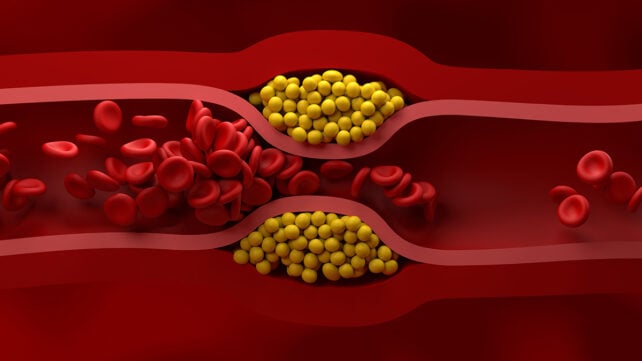
Too much LDL cholesterol is what causes blockages in the arteries carrying blood away from the heart, while too little HDL cholesterol is a problem too – it mops up excess LDL in the bloodstream and moves it to the liver, where it gets broken down.
New sections of the latest guidelines include advice about early screenings for those with a family history of heart disease or high cholesterol. There are proposals to make risk estimations more personalized to individual patients as well, and to start medication earlier in certain cases.
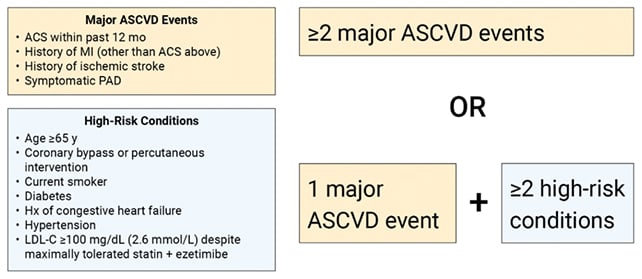
The updated guidelines also recommend clinicians switch to using PREVENT (Predicting Risk of Cardiovascular Disease Events) scores to calculate a person's risk of cardiovascular disease. As of August 2025, PREVENT is also recommended for assessing people with high blood pressure.
In addition, the guidelines have updated cholesterol thresholds for doctors and other health professionals to refer to when assessing patients.
As for the fundamental advice on how to reduce high cholesterol, that stays the same: eat a healthy diet, keep up regular exercise, maintain a healthy weight, make sure you're getting enough sleep, and don't smoke.
These measures can help manage cholesterol and other fats (lipids) in the body. For some people, cholesterol-lowering drugs are also needed.

"Lower LDL cholesterol levels are better when it comes to reducing the risk of heart attacks, strokes, and congestive heart failure," says cardiologist Roger Blumenthal, from the Johns Hopkins Ciccarone Center for the Prevention of Cardiovascular Disease.
"We also know that bringing elevated lipids and blood pressure down in young adults supports optimal heart and vascular health throughout a person's life."
It's estimated that as many as 1 in 4 adults in the US have elevated LDL cholesterol, which significantly contributes to the risk of atherosclerotic cardiovascular disease (ASCVD) – the leading cause of death worldwide.
The better news is that around 80 percent of cardiovascular disease is thought to be preventable. The health burden doesn't have to be anywhere near as high as it is – and these new guidelines should help with that.
Alongside the new guidelines, experts have also published The ABCs of Cardiovascular Disease Prevention, a paper reviewing the latest evidence on factors that contribute to heart disease risk, including diabetes, alcohol intake, and body fat levels.
In their conclusions, they note that recommendations will need to evolve as we better understand the risks to heart health posed by vaping and cannabis. Refining the clinical definition of obesity will also impact our understanding of heart health risks.
Related: A Daily Sprinkle of Cumin Seeds Can Help Lower Cholesterol, Study Finds
As for treatments, researchers continue to make progress in tackling our cholesterol problem, developing new drug candidates that are showing promise in clinical trials.
The team behind the new guidelines hopes their updated recommendations will help save more lives by giving doctors the tools and evidence they need to better recognize patients at risk of heart problems, earlier.
"Implementation of this important new guideline by clinicians will be critical to reduce the burden of cardiovascular disease in the future," says Pamela Morris, a cardiologist at the Medical University of South Carolina.
"Taking action early in life is critical because high cholesterol begins to impact your heart disease risk even in adolescence."
The guidelines have been published in the Journal of the American College of Cardiology.