
Several years ago, some doctors in Canada began 'prescribing' art to their patients, giving them free access to a local museum.
The idea was that by meandering amongst the masterpieces and pondering the paintings, patients could achieve better physical and mental health outcomes.
A new study from the United Kingdom suggests that isn't such a far-fetched prescription after all. The arts really may affect biological hallmarks of aging.
Scientists from University College London (UCL) found that a weekly arts or cultural activity could slow the pace of aging about as much as exercising once a week.
The philosophy that 'art is life' may have some real scientific backing.
"Our study provides the first evidence that arts and cultural engagement is linked to a slower pace of biological aging," says senior author and epidemiologist Feifei Bu from UCL.
"This builds on a growing body of evidence about the health impact of the arts, with arts activities being shown to reduce stress, lower inflammation, and improve cardiovascular disease risk, just as exercise is known to do."
The researchers analyzed the health data of more than 3,500 adults in the UK, including several epigenetic clocks – which can provide estimates of biological aging – and how often participants engaged in artistic or cultural activities.
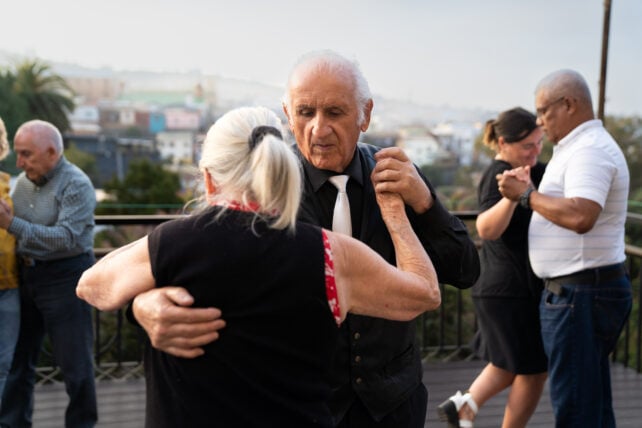
These activities could include visiting a museum or library, attending an art exhibit, crafting, painting, singing, dancing, and much more.
Participants in the study who did one of these activities at least once a week showed slower signs of aging than those who had less of a cultural repertoire.
One of their epigenetic clocks ticked 4 percent more slowly than those who rarely engaged with the arts.
The findings were strongest among middle-aged adults, and the greater the diversity of arts and cultural activities, the better the signs of aging.
Epigenetic clocks are imperfect models that are designed to predict how fast or slowly someone is aging. They are based on certain associations between how our lifestyles can impact our gene expressions, and our health outcomes.
There's not a single clock to rule them all, but numerous different clocks based on which aspects of aging researchers want to focus on.
This particular study considered no less than seven different versions. One of the newest clocks included is called DunedinPACE, which measures the pace of aging.
Compared to those who did an arts activity less than three times a year, those who did at least three or more activities a year showed 2 percent slower aging on the DunedinPACE clock.
A monthly activity, meanwhile, was linked to 3 percent slower aging on this clock, and a weekly activity was linked to 4 percent slower aging.
Another clock, called PhenoAge, compares a person's chronological age to the age that their health best reflects, a concept known as 'biological age.'

Compared to those who rarely engage with art, people who engaged in an arts or cultural activity at least once a week were a year younger on average, according to their PhenoAge.
That's nearly double the difference between those who exercised at least once a week and those who didn't.
"These results demonstrate the health impact of the arts at a biological level," says lead author and epidemiologist Daisy Fancourt, who has been investigating the health perks of art at UCL for nearly a decade.
"They provide evidence for arts and cultural engagement to be recognized as a health-promoting behavior in a similar way to exercise."
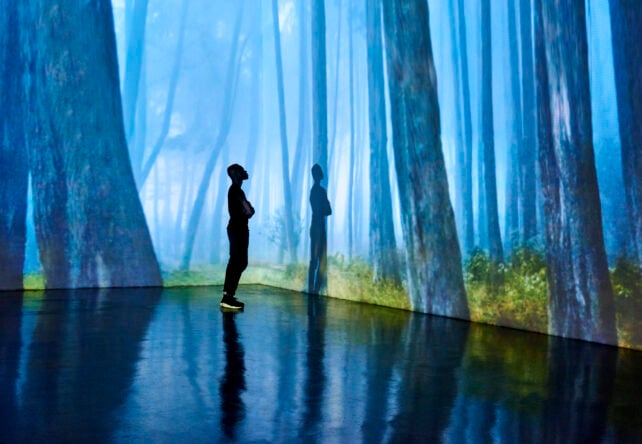
Perhaps in the future, doctors in other parts of the world will be prescribing museum visits or arts activities to their patients. After all, some are already prescribing 'nature' outings.
What's the difference between taking in the beauty of nature by 'forest bathing' and taking in the beauty of human-made art? Perhaps they tap into similar 'ingredients' for health and happiness.
Related: One Daily Supplement Could Slow Your Biological Clock, Study Suggests
Art can be physical, cognitive, emotional, or social, and healthy aging requires paying attention to each of these facets of life.
A visit to the museum may tick a whole lot of boxes at once.
The study was published in Innovation in Aging.