
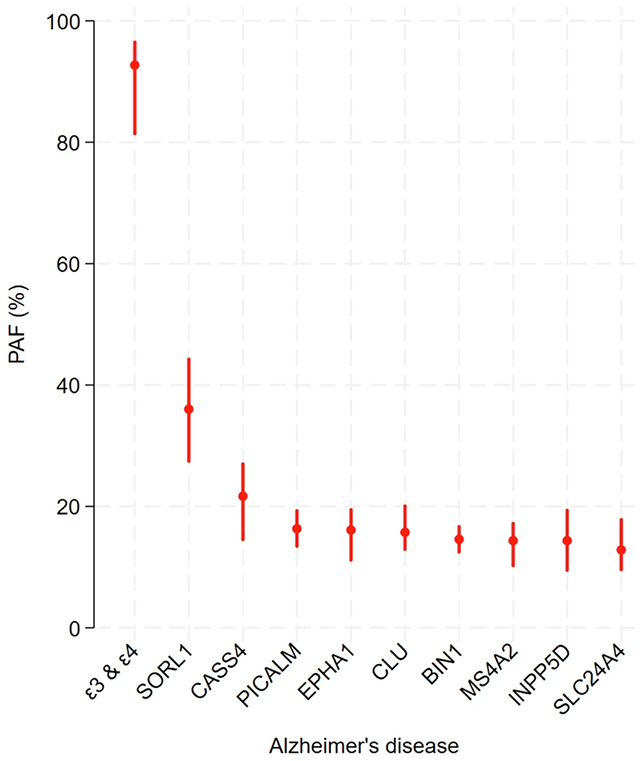
More than 9 out of 10 Alzheimer's cases could be driven by specific variations in a single gene and the protein it produces, a new study reveals, suggesting that treatments targeting this well-known gene could prevent the disease from developing in the majority of instances.
The gene in question, APOE, has long been associated with Alzheimer's risk. What's new here is the way the different variations of the gene have been analysed and mapped against the chances of developing Alzheimer's. It turns out that the APOE combination we're born with could be even more important than previously realized.
Researchers led by a team from University College London (UCL) took a fresh look at the three main variations of the APOE gene: ε2 (linked to a protective effect against cognitive decline), ε3 (historically considered the normal or neutral version), and ε4 (already known to significantly increase Alzheimer's risk).
Related: 'Junk' DNA Could Hide Switches That Allow Alzheimer's to Take Hold
They found, based on four genetic datasets covering almost 470,000 people, that ε3 isn't actually neutral – it can be considered a major risk factor. Part of the reason this hasn't been flagged before is that it's the most common variant of APOE, found in around three-quarters of the population.
"When we consider the contributions of ε3 and ε4, we can see that APOE potentially has a role in almost all Alzheimer's disease," says genetic epidemiologist Dylan Williams, from UCL.
"The ε4 variant of APOE is well recognised as harmful by dementia researchers, but much disease would not occur without the additional impact of the common ε3 allele, which has been typically misperceived as neutral in terms of Alzheimer's risk."
Everyone inherits two copies of the APOE gene, one from each parent, meaning six combinations are possible: ε2 / ε2 is the most protective against Alzheimer's, while ε4 / ε4 raises the risk of the disease the most. The majority of people are somewhere in between, depending on the combination they inherit.
Crucially, this APOE combination alters the structure and function of the protein produced. Those proteins then influence certain brain activities already linked to Alzheimer's, including neuron repair, inflammation control, and the clearing away of amyloid-beta protein plaques.
The researchers suggest that targeting this gene or its protein products may be a way to stop Alzheimer's from happening in the first place – and bring more people down to the risk level associated with ε2 / ε2.
"Intervening on the APOE gene specifically, or the molecular pathway between the gene and the disease, could have great, and probably under-appreciated, potential for preventing or treating a large majority of Alzheimer's disease," says Williams.
"The extent to which APOE has been researched in relation to Alzheimer's or as a drug target has clearly not been proportionate to its full importance."
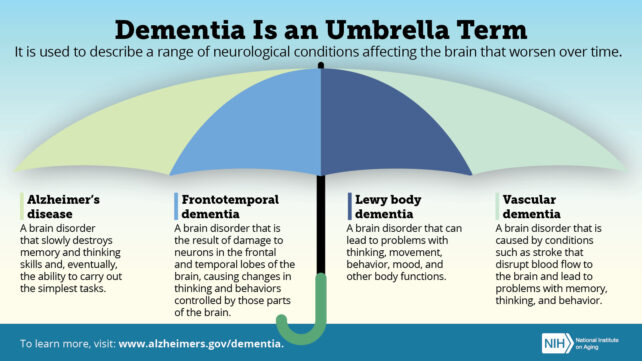
There could be implications for dementia more broadly, too: Almost half of all dementia cases could be attributed to this APOE gene, the data shows.
These genetic risks don't act in isolation, however. Other environmental and lifestyle factors linked to the disease – such as obesity, social isolation, and a lack of sleep – likely add to genetic risks through complex interactions, although we don't know how.
Regardless, the new study suggests that if present, APOE ε3 and ε4 have a stronger influence than previously thought.
"Without the contributions of APOE ε3 and ε4, most Alzheimer's disease cases would not occur, irrespective of what other factors are inherited or experienced by carriers of these variants throughout life," Williams says, based on the team's population estimates.

There's a lot of work ahead if researchers are to pursue APOE because targeting genes and proteins with treatments isn't easy – and any kind of gene therapy must be carefully controlled and assessed.
But with these new findings, we may be looking at a significant shift in Alzheimer's research that has so far struggled to make much headway in finding ways to effectively treat the disease.
"With complex diseases like Alzheimer's and other diseases that cause dementia, there will be more than one way to reduce disease occurrence," says Williams.
"We should explore many options by which we might modify Alzheimer's and dementia risk, including but not limited to strategies related to APOE."
The research has been published in NPJ Dementia.