This week in science: Scientists propose new standard measures for cannabis use; mysterious ancient lifeforms don't comfortably fit on the tree of life; the world's oldest rock art discovered; and much more!
Scientists Figured Out a Standard Measure For Cannabis Use

UK scientists have calculated a standard measure for cannabis as THC units, which can help users and doctors monitor intake.
A 0.45-gram joint of strong herbal cannabis might contain 12.78 standard THC units, while weaker, seeded herbal cannabis can contain just 3.78 THC units, according to the new estimates.
Mysterious Giants Could Be a Whole New Kind of Life That No Longer Exists
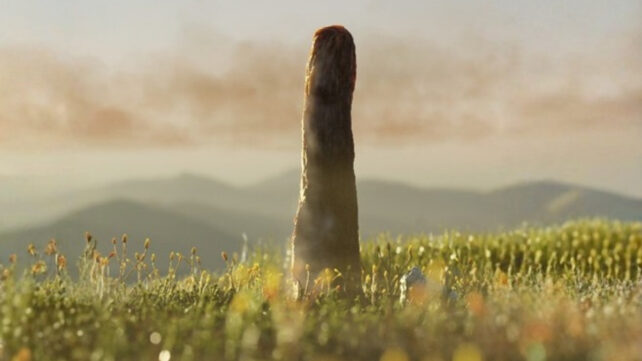
Prototaxites – 8-m (26-ft) tall organisms that lived 400 million years ago – doesn't belong to any known category of life today, a new study finds.
Through a review of microscopic anatomy and chemical analysis of its tubular structures, the team of researchers systematically eliminated each and every candidate group, leaving no modern organism with which it might share some kind of ancestral relationship.
Fungi? Rejected thanks to the unique way its anatomy connects.
A plant or algae? Not likely given its chemical composition.
A mix of the two, such as a lichen? Not with that anatomy.
Some bizarre animal? Cell walls say no chance.
Study Confirms Why Some People Get Drunk Without Touching Alcohol
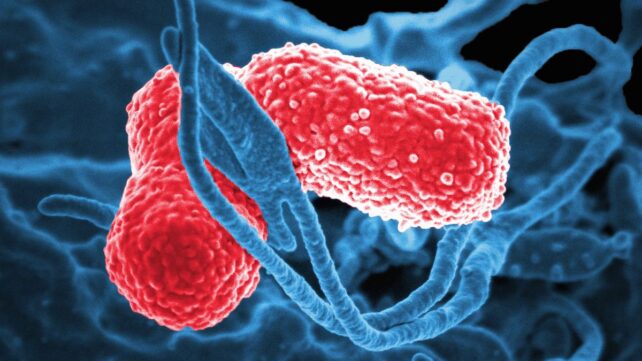
E. coli and K. pneumoniae have been identified as the two main bacteria behind a rare syndrome where alcohol brews in the gut after eating.

The findings suggest relief for patients might lie in promoting or introducing, through dietary changes, stool transplants or probiotics, other strains of gut bacteria that readily metabolize ethanol.
World's Oldest Rock Art Discovered in Indonesian Cave
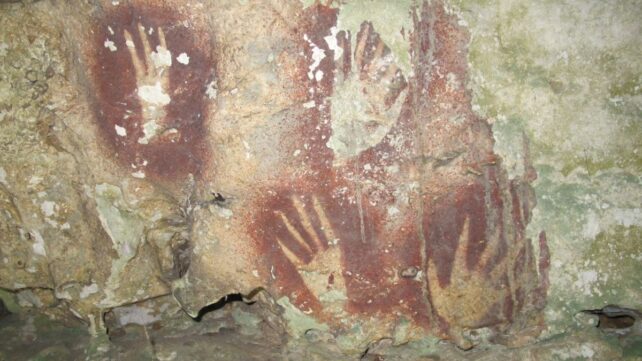
The world's oldest known rock art has been discovered in a cave in Indonesia, dated to at least 67,800 years ago.
"What we are seeing in Indonesia is probably not a series of isolated surprises, but the gradual revealing of a much deeper and older cultural tradition that has simply been invisible to us until recently," archaeologist Maxime Aubert of Griffith University in Australia, who co-led the research, told ScienceAlert.
Scientists Found a Sugar That's Sweet, Low-Calorie, And Doesn't Spike Insulin
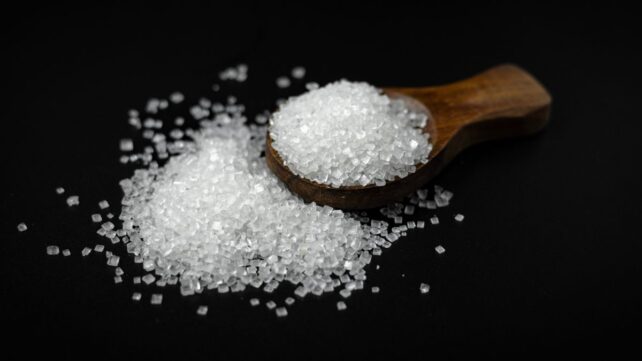
Scientists have found a simple way to produce a natural sugar called tagatose, 92% as sweet as sucrose but with only 30% of the calories.
What's particularly exciting about it is that it does not spike insulin levels like sucrose or high-intensity artificial sweeteners – making it a potentially attractive option for those with diabetes or blood glucose issues.
Shingles Vaccine Linked to Slower Biological Aging, Study Finds

The shingles vaccine has been linked to slower aging and less inflammation, in a study of 3,800 people over the age of 70.
The findings suggest that the vaccine may have "broad" and lingering effects on "aging-related processes", according to the authors, gerontologists Jung Ki Kim and Eileen Crimmins from the University of Southern California.