
Could the natural world point us towards improved treatments for Alzheimer's disease? A new study of the Aloe vera plant has identified one compound that, based on its predicted binding activity, could help slow the progression of this most common form of dementia.
Aloe vera is a succulent evergreen plant, regarded for its medicinal properties. For hundreds of years, its ingredients have been used to treat skin inflammation, improve digestion, boost the immune system, and more besides, though scientific evidence for these benefits is mixed.
Here, researchers from Hassan II University of Casablanca in Morocco found that a compound called beta sitosterol, produced in aloe vera leaves, may be helpful in tackling Alzheimer's, too.
This research was done entirely 'in silico', meaning the team used computer models to simulate how aloe vera compounds may interact with enzymes thought to play a role in Alzheimer's. Even though the study didn't involve any lab experiments or human trials, it's a good starting point that identifies potential treatment pathways worth investigating.
"Our findings suggest that beta sitosterol, one of the aloe vera compounds, exhibits significant binding affinities and stability, making it a promising candidate for further drug development," says chemist Meriem Khedraoui.
Both the binding qualities and the stability of beta sitosterol are important, but the story starts with acetylcholine. This chemical messenger helps us learn and remember, and it's often found at lower-than-normal levels in people with Alzheimer's disease.
Previously, this has led scientists to look at the enzymes acetylcholinesterase (AChE) and butyrylcholinesterase (BChE), both of which help break apart acetylcholine. It follows that targeting AChE and BChE might improve Alzheimer's symptoms.
That was where this new study began, and the team looked at 11 aloe vera compounds in total. With the plant's purported medicinal properties, the researchers were keen to take a closer look.
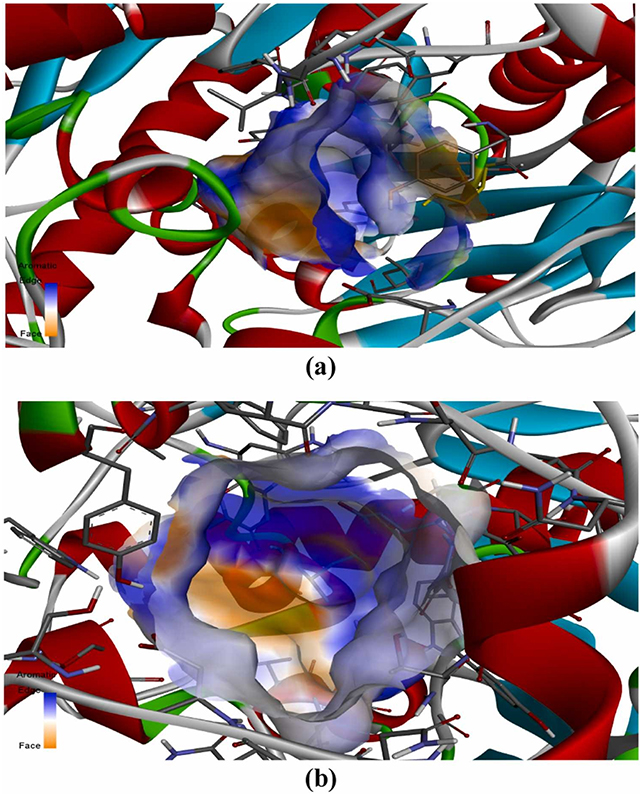
Binding affinities were simulated first to see how well these compounds might connect with AChE and BChE, as an indication of how effective they may be at stopping the enzymes from breaking down acetylcholine. Beta sitosterol got the highest scores for binding to both AChE and BChE.
Then the researchers looked at how well beta sitosterol might work in drug form. This is done through an analysis called ADMET: Absorption, Distribution, Metabolism, Excretion, Toxicity. These models look at how the medication may interact with and move through the body.
Again, beta sitosterol performed well, as did another compound called succinic acid, and the study concludes that it's worth investigating both of these options for their potential as the basis of Alzheimer's treatments.
"The comprehensive analysis supports the potential of these compounds as safe and effective therapeutic agents," says chemist Samir Chtita.

Any subsequent development of treatments isn't going to happen quickly, especially as these findings are based only on computer simulations. But scientists continue to make progress in identifying key players in Alzheimer's – such as AChE and BChE – and drugs that might have an impact on them.
As the study researchers point out, Alzheimer's affects more than 55 million people today, and there are expected to be 138 million cases by 2050, as the global population gets older. It's currently the leading cause of dementia.
While scientists are learning more and more about the effects Alzheimer's can have on the brain, and the risk factors that can make the disease more or less likely to develop, we're still working towards a full understanding of what causes it – and how it might be cured.
Related: Bacteria at The Back of Your Eye May Be Linked With Alzheimer's Progress
Alzheimer's is such a multifaceted disease that numerous causes and drivers are probably involved, which will require numerous therapeutic treatments. Recent studies have suggested that high blood pressure supplements and cancer drugs could be effective in some ways, and the aloe vera plant gives experts another way forward.
"Our in silico approach offers a promising direction for the development of novel treatments for Alzheimer's disease," says Khedraoui.
The research has been published in Current Pharmaceutical Analysis.