WASHINGTON (AP) – While millions of soccer fans cheer or groan over World Cup matches spanning North America, health officials will be on high alert for germs.
A heat wave may be the most obvious health threat.
But infectious diseases can spread in a crowd, and experts are set to scrutinize wastewater, hospital visits, even social media for any signs that an outbreak might be brewing.
Measles, one of the most contagious diseases, is among the top concerns, sparking a warning this week from the Pan American Health Organization, PAHO.
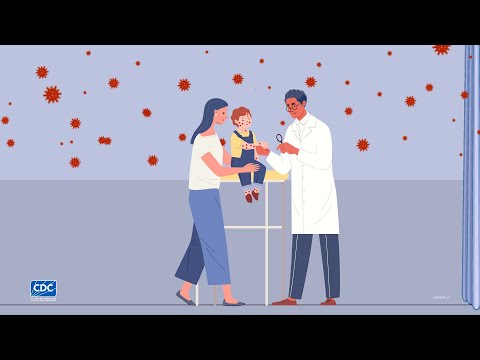
With a nearly six-week stretch of packed stadiums, bars and tourist sites in 16 cities, officials are on the lookout for a long list of infections, from the stomach bug norovirus to mosquito-borne dengue fever.
"This is truly a marathon," said Palak Raval-Nelson, Philadelphia's health commissioner.
The Centers for Disease Control and Prevention already was grappling with a growing Ebola outbreak in central Africa and a cruise ship hantavirus outbreak.
While CDC officials have advised state and local health departments behind the scenes, the expected World Cup disease surveillance dashboard was still "in final development" days before games began, according to the Department of Health and Human Services.
"Our public health professionals are pretty stretched," said global health specialist Rebecca Katz of Georgetown University, who is leading an unusual new hub to help.
At the Health Security Operations Center, a joint effort between Georgetown and MedStar Health, workers are analyzing data from around the country so they can alert health authorities, even emergency rooms, to any early signs of trouble.
The center is issuing daily "situation reports" about disease trends around World Cup host cities and team base camps to several hundred local and federal public health groups, emergency management and hospital officials, and others who've signed up.
"It's important that we don't become alarmist," said MedStar emergency medicine specialist Dr. Shane Kappler.
"We're trying to be the insurance policy."
Measles is a top concern for potential spread at the World Cup.
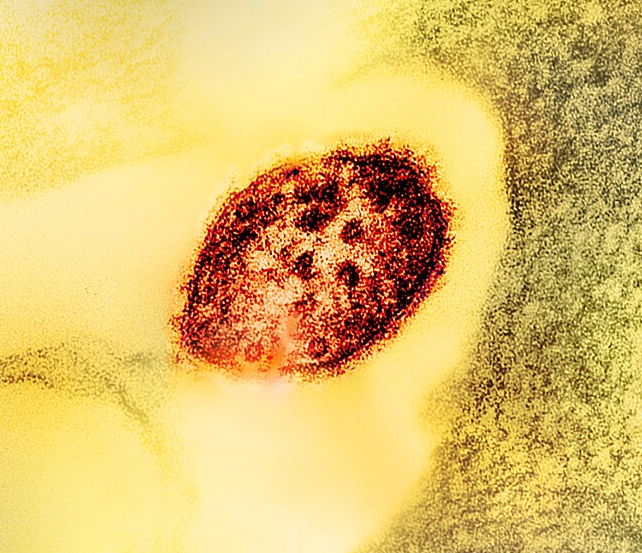

Already more than 2,000 people in the US have come down with measles this year, nearly as many as during all of last year, according to the CDC.
Patients can spread measles before the rash appears and they realize they're sick. Not too long ago, the US seldom saw measles except from international travel by unvaccinated people.
Now with frequent US outbreaks, "actually a lot of our international partners are worried about measles being exported to them after the games," said Georgetown's Katz.
Measles is spreading in Canada, too, and has exceeded 11,000 cases in Mexico, according to PAHO.
It's urging soccer fans to be sure they're vaccinated, with a health campaign noting that a single measles patient can spread the virus to up to 18 unprotected people.
Brown University's Dr. Craig Spencer, who survived Ebola while working in the West Africa outbreak over a decade ago, said he's repeatedly asked about the risk of Ebola during the World Cup – but "for me, Ebola is not the No. 1 or No. 2 or even No. 3 threat."
"I am concerned about importation of measles, I am much more concerned about the importation of other infectious threats that may not seem as scary to us as Ebola," Spencer said.
Many health experts agree that the risk of Ebola spreading in the US is very low.
That's partly because of government travel screenings and restrictions on people recently in outbreak-affected areas. Moreover, Ebola spreads by contact with bodily fluids from someone showing symptoms, not through the air like measles or respiratory viruses.
"One fortunate thing about this virus is you're most contagious when you're really quite ill," said Jennifer Nuzzo, director of Brown's Pandemic Center.
"It's not like COVID, where you could be sitting next to someone who doesn't even know they're infected and perhaps contract the virus."
There's precedent for germs invading major sporting events.
Canadian scientists linked a community measles outbreak to the 2010 Olympics in Vancouver, and clusters of norovirus had to be contained during the Olympics this year in Milan and in 2018 in South Korea.

One way to detect signs of trouble: People with certain viral or bacterial infections shed genetic material that sophisticated testing of wastewater can spot.
For example, measles can appear in wastewater days before an emergency room sees its first patients.
This week's surveillance reports from Katz's center note that wastewater testing recently found diarrhea-causing rotavirus, hepatitis A and norovirus in some parts of the US, something to watch as soccer crowds arrive.
In Dallas, officials ramped up wastewater screening, including at the international airport, casting a wide net rather than looking for specific illnesses, said Dr. Phil Huang, director of Dallas County Health and Human Services.
His team is also enhancing the usual mosquito testing, checking not just for West Nile virus, which regularly spreads in the US, but also for viruses more common in other countries, like dengue and chikungunya.
Related: Old Foe Tops Expert's List of Viruses to Watch in 2026
Public health officials have been preparing for months, said Philadelphia's Raval-Nelson, including with mock emergency drills and communications with counterparts around the country.
"I don't want to send a message that there's one key thing," she said.
"We have the frameworks in place to carry out what we need to."