Massage guns are the latest craze in a long history of ideas about vibration therapy that goes back to the ancient Greeks.
But these devices need to be used with care, experts are warning, after a man in his 20s used a massage gun on and around his eyes, damaging the retinas at the back of his eyeballs.
He's not the first, either, but these cases aren't often documented.
Writing in the British Medical Journal: Case Reports, ophthalmologists Niamh O'Connell and Ashraf Khan describe how the young man thought massaging his eyes would help relieve feelings of tiredness.
And he had gone all in on the approach too, doing it weekly for around three months, with each 'treatment' taking several minutes.
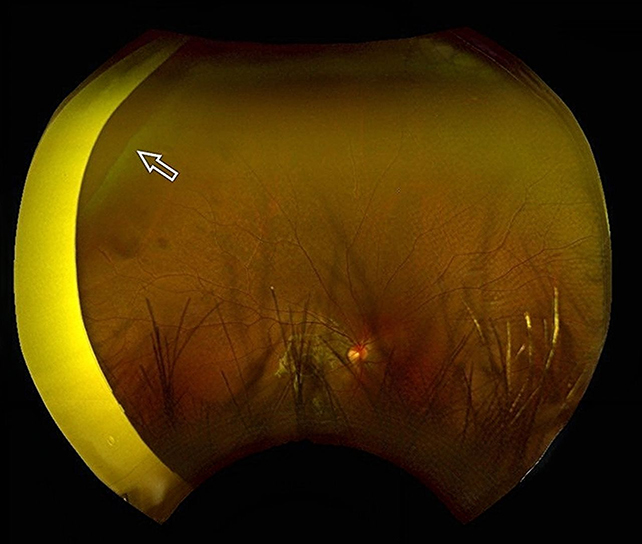
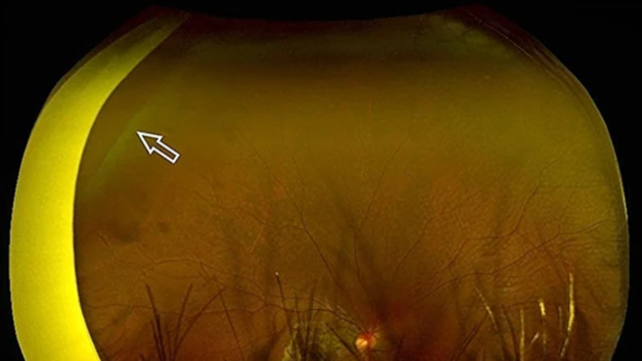
This unconventional therapy for fatigue left the individual with multiple tears in his retinas and serious bruising (commotio retinae) in both eyes.
The retina in his right eye had also detached from the eye wall, a condition known as retinal dialysis, which can lead to permanent vision loss.
"The retinal tears and dialysis in this case are likely the result of percussive massage gun use directly onto the globe since the patient had no other risk factors for retinal pathology, such as high myopia, ocular surgery, or a genetic predisposition," O'Connell and Khan, from the Princess Alexandra Eye Pavilion in the UK, write in their report.
"This is the first case of retinal dialysis with multiple bilateral retinal tears in the literature associated with percussive massage gun use."
The patient in question presented with complaints about persistent floaters in his vision and occasional bouts of photopsia (flashing lights appearing in the eyes).
The cause of these issues was, to begin with, something of a mystery. The man's doctors established that there had been no recent head injury, and he had no family history of eye health problems.
Eventually, the man realized what might have happened.

"When specifically asked about anything untoward involving the eyes, the patient reluctantly disclosed that he had been using a percussive massage gun both around and directly on both eyes," explains the report.
The good news is that a series of laser treatments was successfully used to repair the eye issues, and the man came out of the affair with no lasting damage to his vision.
Other people haven't been quite so lucky, left with detached retinas and reduced vision from using massage guns on or around the eyes.
The young man's doctors say he likely regained his vision despite the extensive damage because he sought medical help just 6 days after noticing his symptoms.
As massage guns aren't sold to treat or cure a specific condition, they're classed as low-risk wellness devices, and that means they don't require regulatory approval.
The ophthalmologists involved here want to see more done to raise awareness of the risks.

"Little is known regarding the safety profile of percussive massage guns," they write.
"In this case, the massage gun was commercially purchased and used without professional guidance. The patient reported no awareness of any warnings in the operating instructions against ocular use."
The report also refers to another case of rhabdomyolysis (serious damage to the skeletal muscle) caused by using a massage gun on the thighs – a more typical way of using these devices, but still not without risks.
As O'Connell and Khan point out, there's not much evidence out there about the safety of percussive massage therapy, and no standard set of guidelines for how these devices should be used.
Related: Experts Reveal Why You Should Never Rub Your Eyes
There is research showing that massage guns can improve muscle strength and flexibility, and reduce muscle pain – but if you are going to invest in a device of your own, use it in moderation and keep it well away from your eyes.
"This rare presentation highlights the potential for significant retinal injury," write the ophthalmologists.
"It also underscores the need for cautious massage gun use, careful history taking [by doctors] in unexpected clinical scenarios and clear manufacturer warnings against improper application."
The case has been published in BMJ Case Reports.
This article was fact-checked by Rachel Garner and edited by Clare Watson. While we pride ourselves on our process, we are only human. If you spot a mistake, please let us know.