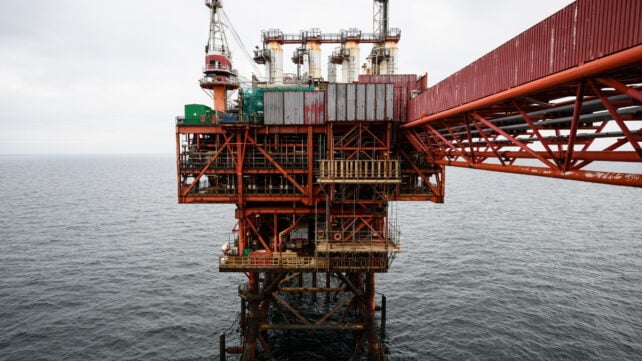
Decades after offshore oil and gas projects are decommissioned, the underwater pipelines that are left behind continue to shed microplastics into the ocean.
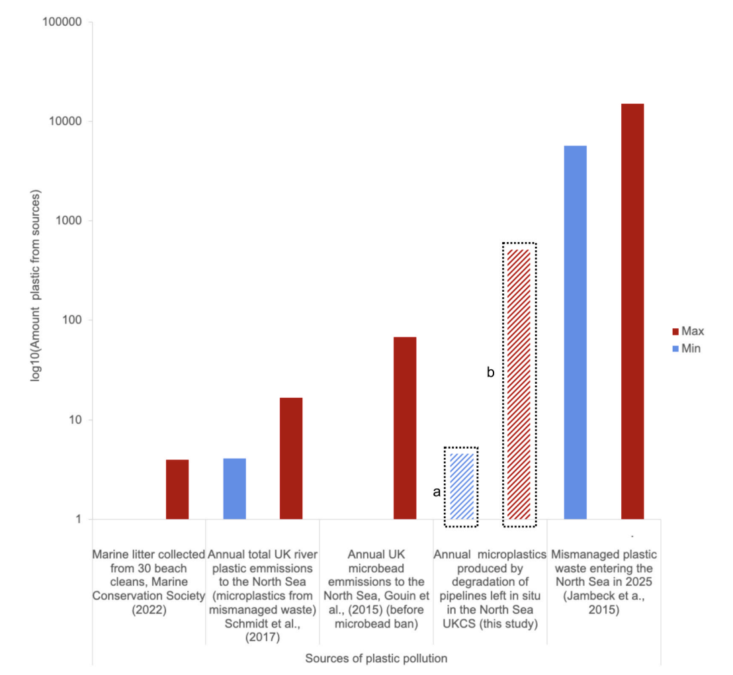
On the United Kingdom continental shelf alone, scientists estimate these abandoned, degrading pipelines and umbilicals (such as hoses and cables) are generating around 500 metric tons (~550 US tons) of microplastics each year, as reported in a new study in the Journal of Hazardous Materials.
"Our lowest release scenario is a similar order of magnitude to the annual releases of microplastics to the North Sea from UK rivers," the study's authors write.
"Our highest is considerably more than annual microbead releases from cosmetics prior to the UK ban."
The study was led by marine scientist Freija Mendrik, from the University of Plymouth in the UK.
Mendrik says her team's findings highlight a seriously overlooked source of microplastic pollution, which may already be affecting marine life.
"Our research is the first to estimate the mass of plastics contained in oil and gas infrastructure in the UK continental shelf, with more than 120,000 [metric tons] of plastic potentially remaining in the marine environment after decommissioning," she explains.
"Our findings have relevance outside the oil and gas sector and for decommissioning decision-making all over the world, not just the UK."
Since the 1960s, oil and gas have been pumped out of the UK continental shelf, with most activity occurring in the North Sea.
Mendrik and team consulted records from the North Sea Transition Authority to create a dataset of all the known pipelines and umbilicals installed in the area.
These records also gave a rough indication of pipeline size, how much plastic (and what kinds) they were made of and coated in, and whether they were likely to have been decommissioned in situ (left in place) or removed.
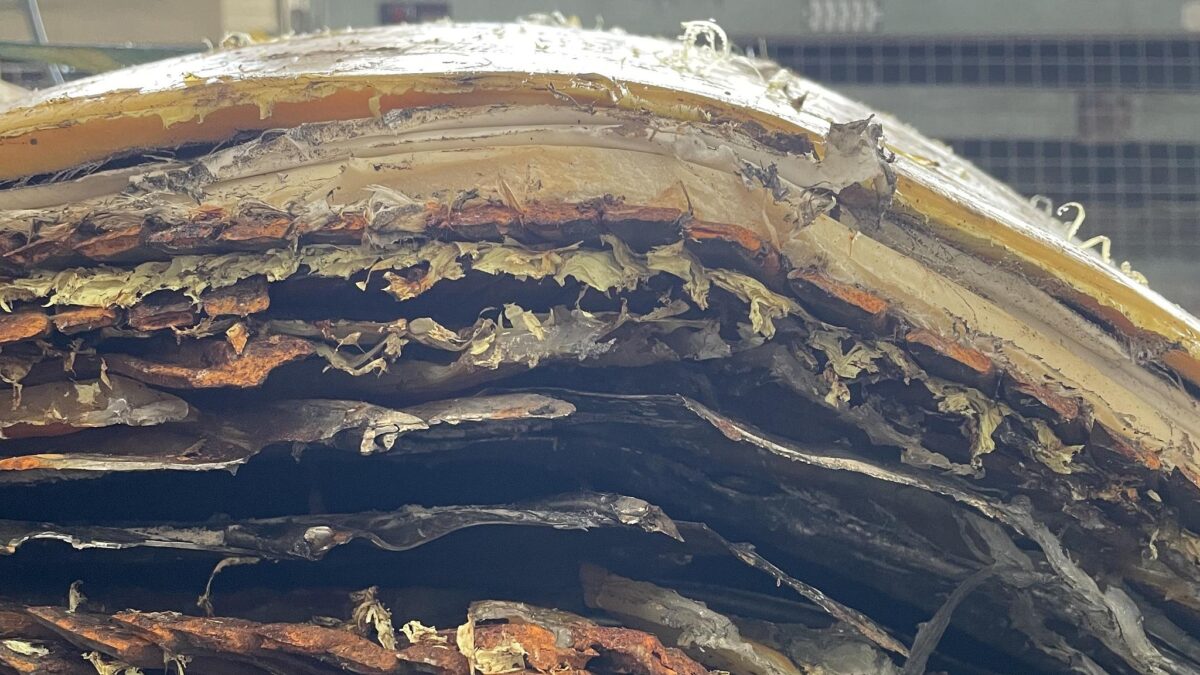
Typically, large, rigid pipelines were left on the seafloor when other infrastructure was removed. Some of these pipes are coated in a polymer called coal tar epoxy (CTE) and then laid under concrete weights.
But a different kind of pipeline has no concrete, and is coated instead with a polymer called fusion-bonded epoxy (FBE).
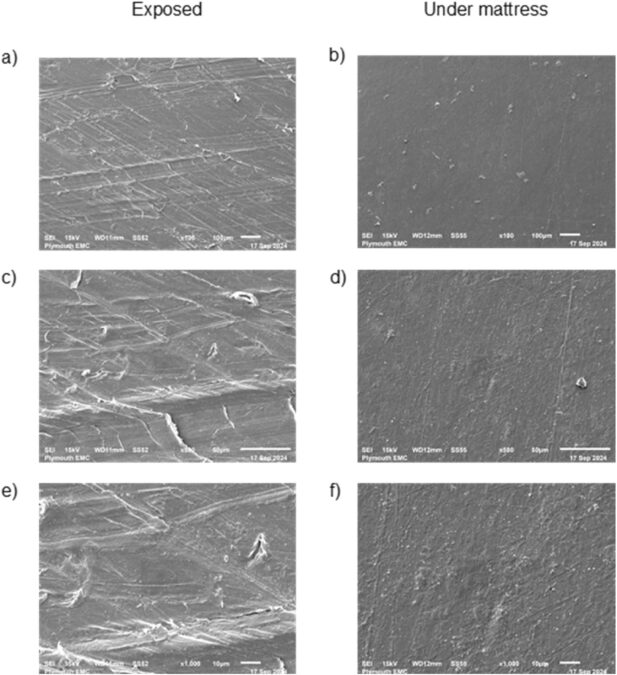
Next, the researchers looked at actual samples of these plastics from Shell UK Ltd pipelines and umbilicals that had been left on the seafloor of the Brent oilfield (off the coast of the Shetland Islands) for 22 years, and recovered in 2024.
Scanning electron microscopy revealed cracks and fragmentation in parts of the plastic that were directly exposed to the ocean environment.
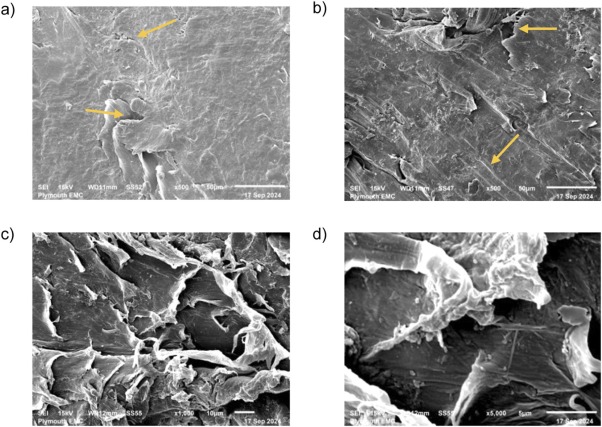
These marks hinted at decades of abrasion from coarse sand, currents, and the traces of the creatures that had set up their lives on the pipes' surface.
Those sections of pipe that had been swathed in concrete tended to show less wear and tear, though time had still left its marks on these samples.
Bringing all this data together to create a series of models, the team estimates that these legacy plastics, left behind by oil and gas companies, could be releasing around 4.5 to 500 metric tons of microplastics into the UK North Sea each year, depending on environmental conditions.
Further analysis helped the researchers predict the substantial environmental risks of leaving the estimated 121,000 metric tons of plastic that likely still sit on the floor of the North Sea.
"Even under a best-case scenario for microplastic emissions, degradation of large rigid pipelines decommissioned in situ in the UK continental shelf could result in extensive additional harm [to marine life] to that already being caused by plastic debris from other sources," Mendrik and colleagues write.

The study focuses on a certain section of the UK continental shelf, but oil and gas projects around the world have left behind legacy plastics after decommissioning.
"Based on the knowledge that 55 percent of the UK inventory may not be recovered and over 97 percent of all pipelines decommissioned in the USA since the 1960s have been left on the seafloor then, under business as usual, the amount of plastics destined to remain in the marine environment is likely substantial," the researchers conclude.
It's not just plastics either. Long after oil and gas infrastructure has been decommissioned, heavy metals such as mercury and other contaminants continue to leach into the oceans, with unknown impacts on marine life.
Related: Humans And Animals Are Facing a Hidden Fertility Crisis, Scientists Warn
"This has implications for management, legislation and litigation," says University of Plymouth marine biologist Richard Thompson.
"Contributions from the oil and gas sector are considerable and, going forward, decommissioning processes need to be properly considered prior to deployment."
The research was published in the Journal of Hazardous Materials.
This article was fact-checked by Clare Watson and edited by Clare Watson. While we pride ourselves on our process, we are only human. If you spot a mistake, please let us know.