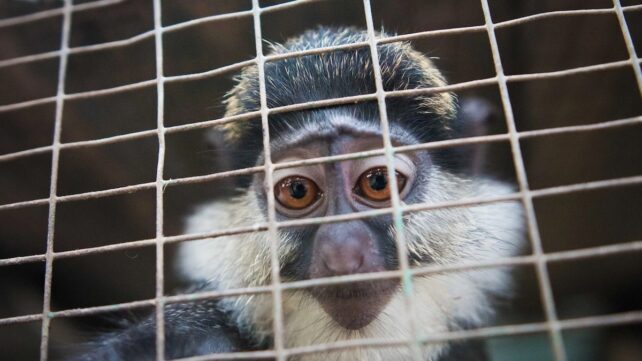
Earth's current mass extinction has our fingerprints all over it.
Humans are decimating other species in a wide range of ways, and the problem is still getting worse, with extinction rates continuing to rise.
We're doing this mainly by destroying and degrading natural habitats, often with help from invasive species we've introduced. But many creatures are also being directly stolen from what's left of their homes, falling victim to the illegal – yet booming – global wildlife trade.
As a new research review in Nature Reviews Biodiversity highlights, the illegal wildlife trade is thriving largely because it has found sanctuary on popular internet platforms, which offer anonymity, weak regulatory enforcement, and easy connections between buyers and sellers almost anywhere.
Thousands of wildlife species are being illegally traded on social media, e-commerce sites, and other online marketplaces, the study's authors report.
Some are sold alive, often as pets, while others are killed for body parts. Many are already at risk of extinction.
This is happening on mainstream platforms including Facebook, Instagram, TikTok, eBay, Google, Alibaba, Shopee, and Tokopedia, the researchers report.
"The online illegal wildlife trade spreads across many platforms, including popular social media platforms, and represents a growing and evolving threat to biodiversity conservation," says conservation scientist Enrico Di Minin from the University of Helsinki in Finland.
"What is particularly concerning is that many of the species found to be illegally traded online are either at high risk of extinction or had not previously been considered at risk from illegal wildlife trade."
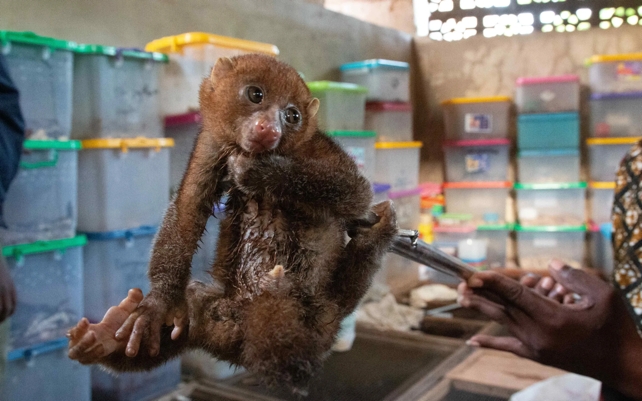
This is bad news for species being traded, of course, especially those already in danger of extinction.
But losing biodiversity is bad for everyone, including humans, who often fail to appreciate its benefits until it's too late.
Even if it weren't cruel and species weren't dwindling ominously, the illegal wildlife trade would likely still cause trouble for us by raising the risk of invasive species and zoonotic disease.
And yet despite mounting evidence of the illegal wildlife trade's online expansion, some key details are unclear, the researchers note, which hinders our ability to develop mitigation plans.
In their new review, Di Minin and his colleagues sought to gather what we know so far about what exactly is happening in the online illegal wildlife trade – as well as how, where, and why.
The online trade encompasses a vast array of animals, plants, and fungi, and it can be challenging to assess both the origin and the legality of specimens based on the often cagey posts advertising them, the researchers note.
Nonetheless, there is abundant evidence to suggest the problem is pervasive.
Much of the illegal activity unfolds on the easily accessible surface web, such as e-commerce sites, or on the indexed deep web, such as private areas of social media, the study found.
Many sites specialize in certain types of wildlife, but the overall breadth of creatures being peddled is striking. Whether it's body parts like rhino horn or live primates sold as pets, the trade also features an alarming contingent of threatened and endangered species.

In one six-week survey of 280 online platforms, for example, researchers identified 33,006 specimens (54 percent live animals and 46 percent "derivatives") from species identified by the Convention on International Trade in Endangered Species of Wild Fauna and Flora (CITES) as being at risk of extinction or vulnerable.
The online trade is similar to its offline precursors, the researchers note, but with a speed and scale of operations beyond most traditional trade formats.
"The negative impacts on animal welfare and biodiversity mirror those of traditional offline illegal wildlife trade, but the reach and speed of online platforms are magnifying these harms," says co-author and conservation biologist Neil D'Cruze from Manchester Metropolitan University in the UK.
"Online illegal wildlife trade operates through complex, dispersed networks that cross national borders, expanding and, in some cases, replacing traditional trafficking routes."
Related: Earth's Biggest Mass Extinction Reveals Chilling Parallels to Today's World
This study helps clarify the problem, its authors explain, but more work is needed to glean solutions from these insights.
"This review sheds light on the urgent need for concerted, multi-level strategies to combat the online illegal wildlife trade," says co-author and wildlife crime researcher Annette Hübschle from the University of Cape Town in South Africa.
"These strategies should not only strengthen species protection but also enhance regulatory and technological capacity, engage local communities meaningfully, and promote a whole-of-society approach to conservation."
The study was published in Nature Reviews Biodiversity.
This article was fact-checked by Rachel Garner and edited by Peter Dockrill. While we pride ourselves on our process, we are only human. If you spot a mistake, please let us know.