High blood pressure means a significantly higher risk of heart attacks, strokes, and other cardiovascular diseases, motivating researchers to look for new ways to bring blood pressure numbers down – and the easier, the better.
While lifestyle changes can help, we're not particularly good at sticking to diets or exercise routines.
Blood pressure drugs are effective too, although again adherence can be a problem, and people generally prefer drug-free treatments if possible.
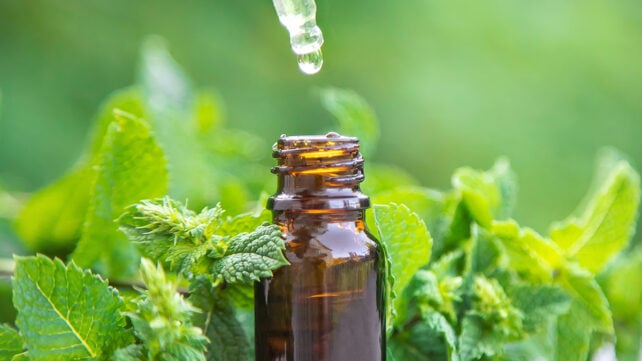
In a new clinical trial, published in PLOS One, researchers in the UK tested the effects of a daily peppermint oil dose with 40 volunteers, aged between 18 and 65, over 20 days.
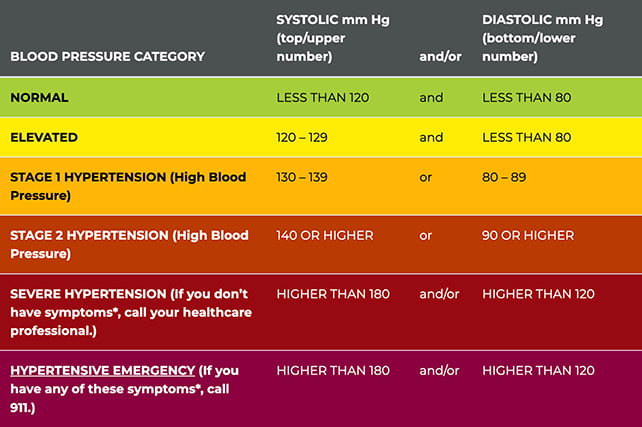
Although it was a relatively small, short trial, the results were impressive: Those taking the peppermint oil saw an average reduction in systolic blood pressure (that's the first or top number in a reading) of 8.48 millimeters of mercury (mmHg), compared to a placebo group.
That's equivalent to an 8-point reduction in blood pressure. To put that in perspective, your risk of a heart event drops by 20 percent for every 10-point drop in systolic blood pressure.
"Our findings were very positive and they have significant clinical implications, especially given arterial hypertension is the most common preventable risk factor for cardiometabolic disease and the greatest single risk factor for global mortality," says sports and health scientist Jonnie Sinclair, from the University of Lancashire.
If you're new to the peppermint plant, extracts from it have long been used as a way of easing stomach pain and bloating, and are considered antioxidant and anti-inflammatory.
Earlier research has tentatively suggested peppermint could help with hypertension, which is why the team behind this latest study wanted to investigate further.
All of the participants in the study had either pre-hypertension (just below the official threshold for high blood pressure) or stage 1 hypertension (the lower end of having high blood pressure).
Half were given 50 microliters of pure peppermint oil mixed into 100 milliliters of water twice a day, with the other half given a placebo.
Besides the significant drop in systolic blood pressure, the peppermint group also showed an average drop of 4.57 mmHg in diastolic pressure (the second or bottom number). Their resting heart rate was, on average, 8.92 beats per minute (bpm) slower than the placebo group, after statistical adjustments.
"The results of this trial suggest that peppermint supplementation could be a valuable tool in the management of pre-hypertension and stage 1 hypertension," write the researchers in their published paper.

Then there's the question of why peppermint has this effect. Further study will be needed to know for sure, but the researchers think that the menthol in peppermint is triggering a chemical reaction that relaxes the blood vessels and improves blood flow.
Future research could test that hypothesis in full, but for now the signs are encouraging.
"Peppermint oil is low in calories and price so it's proved to be a very simple and cost-effective solution to potentially treat millions of people around the world," says Sinclair.
As always with study findings like this, you shouldn't rush to try and replicate the results.
This was a controlled experiment, with a particular kind of peppermint oil, a particular dosage, and a particular type of target patient. Don't try and attempt anything similar without speaking to a doctor.
The next steps will be to test this for longer, in bigger groups of people, with more constant blood pressure monitoring – which should tell us more about whether this is a viable, straightforward, natural way of treating hypertension.
Related: Just 5 Extra Minutes of Exercise a Day Can Lower Blood Pressure, Study Shows
"High blood pressure is one of the biggest causes of heart disease and death worldwide, and it costs a huge amount of money to treat," says Sinclair.
"Although medicines are commonly used to treat it, it's not always clear how well they work in the long-term, and they can cause unwanted side effects."
The research has been published in PLOS One.
This article was fact-checked by Fiona MacDonald and edited by Clare Watson. While we pride ourselves on our process, we are only human. If you spot a mistake, please let us know.