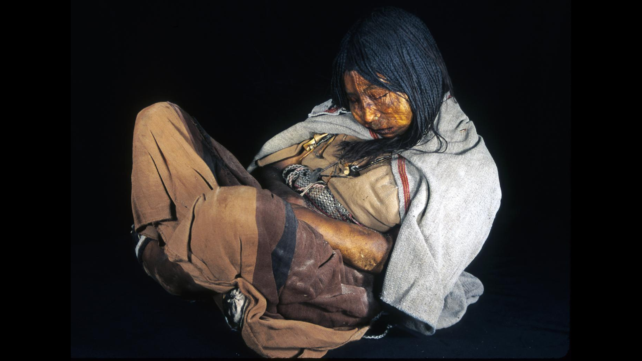
They could almost have closed their eyes and slipped beyond the boundary between life and death yesterday; so perfect is their preservation.
Yet the children whose bodies were uncovered on frozen mountaintops in Argentina and Peru died hundreds of years ago – and no natural death, either.
They were sacrificed by their people, the Inca, to serve as messengers for the gods in a ritual known as capacocha, their small bodies laid to rest with honor and care.
And the time leading up to their deaths may have been tended with just as much care. According to a new analysis of their bodies, eight children sacrificed as part of capacocha rites were plied with a variety of drugs in the months to weeks before they died – possibly to ease the ordeal that lay ahead.
"The children were considered sacred messengers who would continue to play an important role after death," archaeologist Dagmara Socha of the University of Warsaw told ScienceAlert.
"Their preparation may therefore have been intended to help them endure the journey and reach their final destination in the best possible condition."
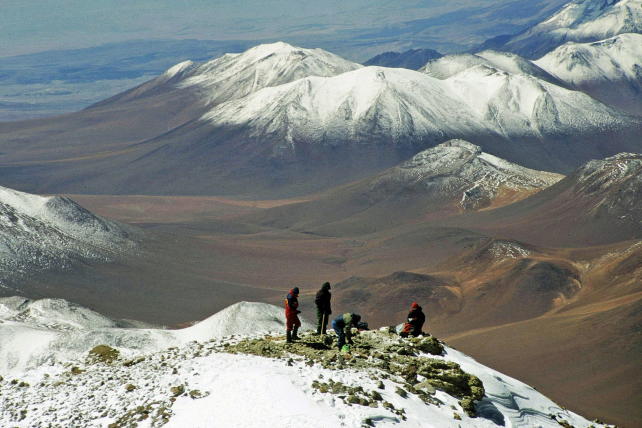
Capacocha was among the most important religious ceremonies of the Inca Empire, performed to mark significant events such as the death or accession of a ruler, major festivals or celebrations, or to appease the gods in times of natural disaster.
Children were selected for sacrifice based upon qualities such as exceptional beauty and physical purity, from across the four corners of the Inca Empire.
They were often taken to the imperial capital of Cusco, where they participated in elaborate ceremonies before being sent to sacred sites throughout the empire. These processions could take months, traversing vast distances and difficult terrain before reaching their destinations.
Some of the most sacred sites were high in the Andean mountains, where the children were buried with fine textiles, pottery, and precious figurines as offerings to the gods.
It's long been known that these children were given drugs before they died, with traces of substances such as cocaine and alcohol found on multiple mummies.
"Our main question was which psychoactive substances were given to children during the capacocha ritual and what purpose they served," Socha explained.
"We wanted to understand whether they were used for medicinal reasons, to improve the children's wellbeing, or as part of religious practices involving altered states of consciousness."
The answers, if there were any to be found, were most likely to be locked away in the bodies of the sacrificed children, mummified in the cold, low-oxygen environment in the Andean peaks.
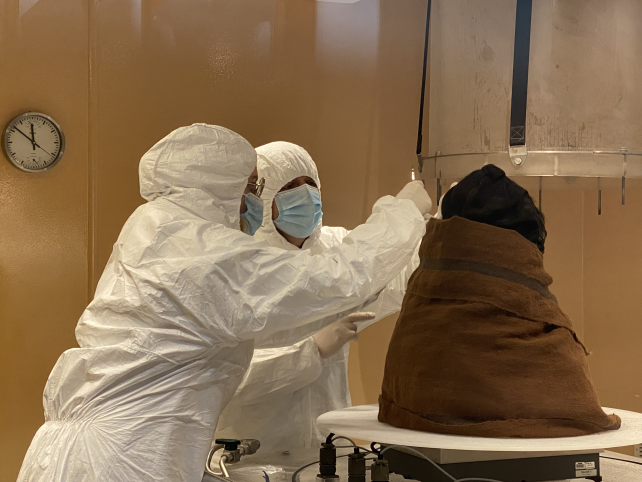
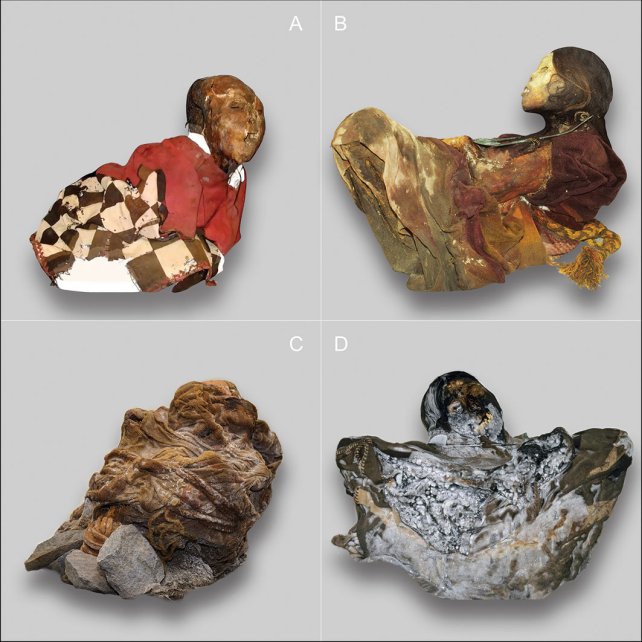
The researchers collected hair and nail samples from eight such mummies, dating to around 500 years ago.
Keratin-rich tissues preserve chemical traces of substances consumed during life. As they grow, these traces become locked inside, allowing researchers to reconstruct aspects of a person's drug use in the weeks or months before death.
The researchers tested the samples for a range of psychoactive compounds, including stimulants, hallucinogens, and substances associated with medicinal plants.
Coca use was widespread – which is perhaps not a huge surprise. The researchers detected cocaine and its metabolite benzoylecgonine in all six hair samples, consistent with the consumption of coca leaves – a practice deeply embedded in Andean culture.
Chewing coca leaves can help suppress hunger and fatigue, and may have helped the children endure the physical demands of their journeys through the mountains.
The researchers also detected cocaethylene in samples from some of the children. This compound is produced by the liver when cocaine and alcohol are present in the body at the same time – suggesting that these children had consumed both.
The alcohol was likely consumed in the form of chicha, a fermented maize beer that played an important role in Inca religious ceremonies.
One especially tantalizing finding was harmine, detected in the nails of a 14-year-old girl known as the Ampato Maiden, or Juanita.
Harmine is a psychoactive compound found in several plants, including Banisteriopsis caapi, a vine native to the Amazon rainforest and used in the preparation of ayahuasca. It inhibits an enzyme involved in breaking down certain neurotransmitters and may have mood-altering effects.
The researchers couldn't determine exactly which plant the girl had consumed, but its discovery in the Ampato Maiden follows its prior detection in two other child mummies from Mount Ampato and raises the interesting possibility that plants from the Amazon were transported to the Andes for ritual use.
"What surprised me most was the diversity of the results," Socha said.
"Although coca consumption appears to have been common, we found considerable differences in the use of other substances. This suggests that the preparation of children was much more complex and varied than we previously thought."
The researchers had also looked for evidence of substances that could induce hallucinations or altered states of consciousness, which might have played a role in preparing the children for their sacred duties.
But here, the results told a rather different story.
"The most important evidence is what we did not find," Socha said.
"Despite testing for several hallucinogenic substances, including mescaline, DMT, and bufotenine, we found no traces of them in the analyzed samples."
Although Socha and her colleagues could not rule out a one-time use during the final stages of capacocha, which may have left no traces in hair and nails, the lack of hallucinogens suggests that the children may have been given drugs primarily to ease the physical and emotional hardships of their final journeys through the Andes, rather than to induce hallucinations.
One of the mummies offers a particularly poignant window into what those final months were like for some.
The hair of the mummy of an eight-year-old girl found on Mount Chuscha in Argentina preserved about six months of chemical history. By examining different parts of the hair, the researchers could trace the changes that may have occurred in that time.
Her coca intake seems to have fluctuated over those months, then dropped in the final month before she died – when she may also have begun ingesting alcohol
Socha cautions that this apparent change could also reflect differences in how the compounds became incorporated into the girl's hair, rather than a change in what she consumed – but there was no mistaking the evidence that she had consumed both.
The differences between the children may also be a clue about diversity within the Inca Empire.
"The Inca Empire included many different communities, religious traditions, and local deities. Although capacocha was an imperial ceremony, our results suggest that its practice was not identical everywhere," Socha said.
The team hopes to investigate the substances used in these ceremonies in greater detail, for more insights into the children's origins, their lives before being selected for capacocha, and the preparations they underwent.
Meanwhile, Socha and her colleagues are also surveying sacred mountain sites in the Andes using technologies including drones, LiDAR, and ground-penetrating radar, hoping to build a more complete picture of the Inca's ritual landscape.
"Mountain deities had their own characteristics and were believed to influence different aspects of people's lives, particularly water, climate, and agricultural fertility," Socha explained.
"It is possible that the differences we observe reflect the specific requirements of these deities and local religious traditions.
"This reminds us that the Inca Empire was not a culturally uniform society. Imperial religious practices could incorporate considerable regional diversity."
The research has been published in Antiquity.
This article was fact-checked by Fiona MacDonald and edited by Fiona MacDonald. While we pride ourselves on our process, we are only human. If you spot a mistake, please let us know.