
What's bad for the lungs may also be bad for the brain.
Emerging evidence suggests that breathing in polluted air is tied to a higher risk of developing dementia.
For many city residents, that's impossible to avoid, but other substances we inhale are more within our control.
An analysis of self-reported health data in the United States, collected as part of a decades-long study, has now found that quitting smoking in later life is tied to a 16 percent lower risk of dementia.
In fact, participants who quit smoking had a similar dementia risk in older age to those who had never smoked at all.
But there seems to be a tentative catch.
The brain benefits were largely limited to participants who did not put on weight or who gained less than 5 kilograms two years after they quit smoking.
If a participant in the analysis quit smoking and gained more than 10 kilograms, there was no longer a significant association between quitting and dementia risk.
That isn't a reason to keep smoking.
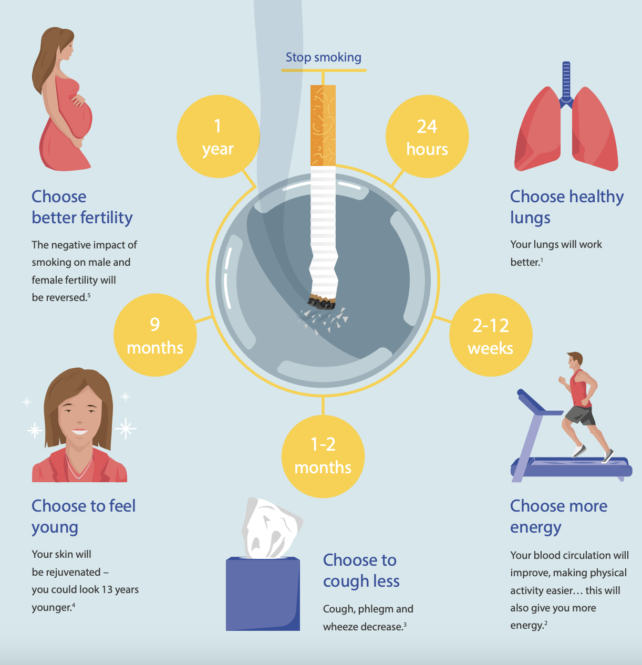
Quitting smoking, of course, comes with numerous health benefits that go beyond dementia and the brain.
Instead, this study suggests that after someone quits, they should pay close attention to their weight.
"People often worry about what happens after they quit smoking, including weight gain and associated metabolic changes," said lead researcher Hui Chen from the Zhejiang University School of Medicine in China in a news release.
"What we found is that quitting is still associated with better brain outcomes, but maintaining your weight may help preserve those benefits."
The population study cannot reveal how smoking directly impacts brain health, so its results need to be interpreted cautiously.
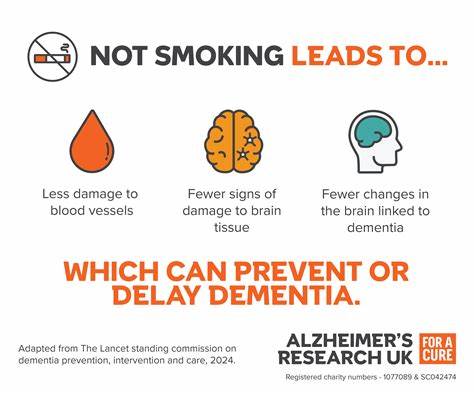
That said, smoking cigarettes is thought to be one of the leading risk factors behind dementia.
By some estimates, this addictive habit can increase the odds of developing dementia by as much as 30 to 50 percent. These outcomes, however, are largely based on population studies, which often overlook individual nuance.
Obesity and type 2 diabetes, for instance, are also connected to dementia risk, and after quitting smoking, it is highly common to gain weight.
Usually, that amounts to less than 5 kilograms in the years after quitting, but between 10 and 20 percent of those who quit smoking gain more than 10 kilograms in weight.
It's unclear, though, how the trade-off between the upsides of giving up cigarettes and the health effects of weight gain impacts a person's overall risk of developing dementia.
If quitting smoking leads to weight gain, that may increase a person's risk of developing diabetes, which in turn raises their dementia risk.
The recent research from Chen and colleagues analyzed the health data of more than 32,000 dementia-free retired adults in the US, around the age of 60.
Once every two years, participants reported their smoking status and body weight.
Over 25 years of follow-up, nearly 6,000 cases of dementia were documented.
Compared to current smokers, those who quit smoking during the study period had a 16 percent lower dementia risk.
Those who had never smoked, meanwhile, had a 25 percent lower dementia risk compared to current smokers.
Cognitive function tests over time also revealed a slower cognitive decline in those who quit smoking, especially among those with minor weight gain.
Quitters who gained little to no weight experienced roughly 20 percent slower rates of cognitive decline compared to continuing smokers.
This wasn't a 'sudden' change, but a gradual one. In other words, the longer a person spent without smoking, the greater the benefits to their pace of cognitive decline on certain tests.

The findings suggest that weight gain may negate some of the cognitive benefits associated with smoking cessation, and that this is something people who are quitting should keep an eye on if they want to reap the most health benefits.
The study authors argue that health messaging around smoking should flag these possibilities, so that those who attempt to quit are also taking steps to manage their weight.
Related: Blood Sugar Spikes Linked With 69% Higher Risk of Alzheimer's
"Our findings suggest that quitting smoking may support long‑term brain health, but they also highlight that what happens after quitting matters," said Chen.
"Future research is needed to better understand how weight management and other lifestyle factors can help people maximize the cognitive benefits of quitting smoking as they age."
The study is published in Neurology.