
Calcium and vitamin D help build strong, healthy bones, but taking these nutrients as supplements is not necessarily good for musculoskeletal health.
A systematic review and meta-analysis, published in The BMJ, has found little to no benefit from either supplement in the prevention of fractures or falls.
Even when vitamin D and calcium are taken together, they seem to provide little benefit.
"These findings do not support routine supplementation with calcium, vitamin D, or combined supplementation to prevent fractures or falls," conclude the authors, led by Olivier Massé, a clinical pharmacist at the Integrated University Health and Social Services Center of North Montreal Island (CIUSSS).
In an accompanying editorial, three independent researchers in Canada, not involved in the meta-analysis, agreed that clear evidence of effectiveness is lacking.
Fragility fractures are the main clinical consequence of osteoporosis, which is a degenerative condition that leads to weak and brittle bones.
Today, patients at risk of osteoporosis are often advised to take vitamin D supplements and sometimes calcium supplements, too, depending on their circulating levels.
But these supplements may be costing a lot and doing very little.
The calcium ones can even cause gastrointestinal issues, such as constipation, bloating, abdominal pain, or cramps.
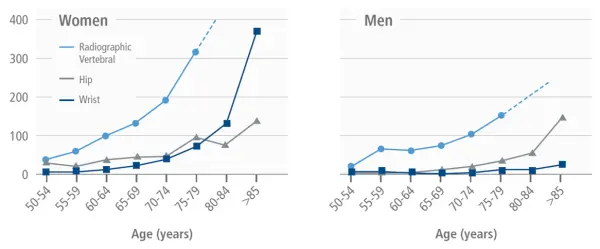
"Given the lack of benefit, potential for harm (at least for calcium supplementation), and costs to the healthcare system, recommendations for supplementation in higher risk populations should await evidence from such trials," the editorial concludes.
For the recent meta-analysis, researchers in Canada gathered together data from 69 trials, involving more than 150,000 participants.
Using moderate-to-high certainty evidence, the team found that calcium, vitamin D, or combined supplementation had little to no effect on fractures or falls.
These findings were largely consistent across subgroup analyses examining factors including age, low vitamin D levels, a diagnosis of osteoporosis, or a history of fractures or falls.
Only vitamin D and calcium in combination showed any effect on fracture reduction, and even then, the authors say the benefits were too small to be clinically meaningful.
This doesn't mean that someone with a vitamin D deficiency won't benefit from the supplement.
This study included very few trials involving severe vitamin D deficiency, and it specifically left out patients receiving drug treatment for osteoporosis, so it is unclear if vitamin D or calcium helps in those particular cases.
What the results do suggest is that recommendations for vitamin D across the board as a way to prevent fractures may be futile.
People with low vitamin D and calcium tend to face a higher risk of bone density loss, reduced muscle function, falls, and fractures.
In many ways, that is why vitamin D supplements, either with or without calcium, are widely recommended to prevent fractures and falls in older adults.
The argument is that calcium provides the minerals to make strong bones, and vitamin D helps the gut absorb those minerals.
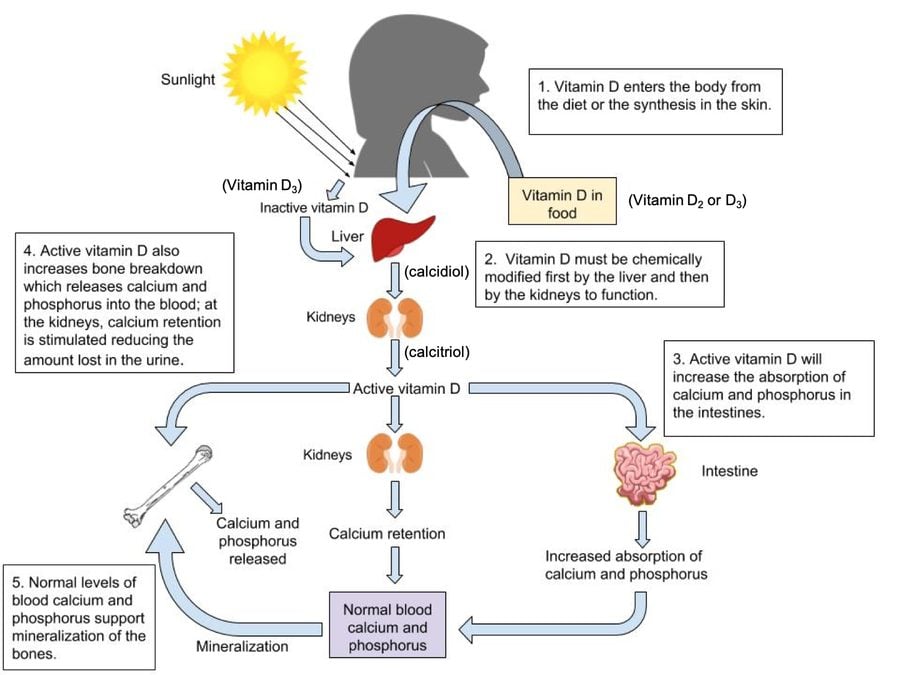
But emerging evidence suggests we may have jumped the gun when using these supplements to ensure musculoskeletal health.
The advice stems from the 1990s, when the first major trials found a reduction in fractures over three years in those taking vitamin D and calcium supplements in combination.
Later trials, however, failed to replicate those results.
In the early 2000s, several systematic reviews suggested that vitamin D, with or without calcium, might reduce the risk of fractures and falls.
Yet these reviews drew on studies with small numbers of participants, and one significant trial of that time was later retracted.
More recent reviews have failed to uncover a link between vitamin D supplements and lower fracture rates.
"Despite this body of evidence," write researchers in Canada, "clinical guidelines continue to promote vitamin D supplementation."
For instance, a recent systematic review of 34 health guidelines found that 70 percent recommended or suggested vitamin D supplements for fracture prevention or general health.
If all adults aged 50 and older with osteoporosis in the United States and the European Union were treated with calcium and vitamin D supplements, some estimates suggest it could cost around $2 billion annually.
"Some may argue that vitamin D and calcium supplements are generally well tolerated and might provide population-level benefits," explain the authors of the most recent meta-analysis.
"This rationale does not apply to vitamin D monotherapy, however, as our findings clearly demonstrated no benefit."
Vitamin D and calcium supplements sound like a harmless and hopeful idea, but it seems increasingly likely that they are costing us money, messing with our bowels, and offering us very little in return.
The research has been published in The BMJ.
This article was fact-checked by Peter Dockrill and edited by Peter Dockrill. While we pride ourselves on our process, we are only human. If you spot a mistake, please let us know.