
Grandparents affect their grandchildren's lives in many ways, but a new study suggests seniors might benefit from this caregiving, too.
"Many grandparents provide regular care for their grandchildren – care that supports families and society more broadly," says PhD student and lead researcher Flavia Chereches, of Tilburg University in the Netherlands.
"An open question, however, is whether caregiving for grandchildren may also benefit grandparents themselves. In this research, we wanted to see if providing grandchild care might benefit grandparents' health, potentially slowing down cognitive decline."
Related: Helping Others May Be an Easy Way to Keep Your Brain Young, Study Finds
Chereches and her colleagues analyzed data from nearly 3,000 grandparents, which had initially been collected for the English Longitudinal Study of Aging.
Between 2016 and 2022, the grandparents, all over the age of 50, completed surveys about whether they had a caregiver role for their grandchildren, and if so, how frequently and in what form. They also underwent cognitive testing three times across the period.
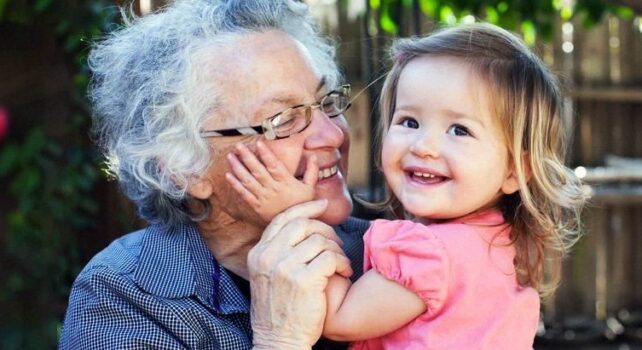
Grandparents who were involved in caring for their grandchildren performed higher in scores of verbal fluency and episodic memory than grandparents who were not actively involved in their grandchildren's lives.
For caregiving grandmothers in particular, the benefits included a slower rate of cognitive decline across time, compared to grandmothers who weren't active caregivers.
While the study didn't compare younger and older grandparents, there were no significant differences between grandparents who gave care more or less frequently: being involved to any degree appeared to have a similar effect.

Grandparents who had a relatively high baseline of cognitive function at the start of the study were more likely to take part in activities like playing with their grandchildren and assisting them with homework, and engage in a wider variety of activities overall.
It's possible that this baseline ability could explain the trend, at least in part: older folks who start more mentally 'sharp' are going to be more able to participate in their grandchildren's lives, generally.
"Being a caregiving grandparent seemed to matter more for cognitive functioning than how often grandparents provided care or what exactly they did with their grandchildren," says Chereches. However, she emphasizes that further research is needed to see if the context of that caregiving might make a difference.
"Providing care voluntarily, within a supportive family environment, may have different effects for grandparents than caregiving in a more stressful environment where they feel unsupported or feel that the caregiving is not voluntary or a burden," she adds.
The research was published in Psychology and Aging.